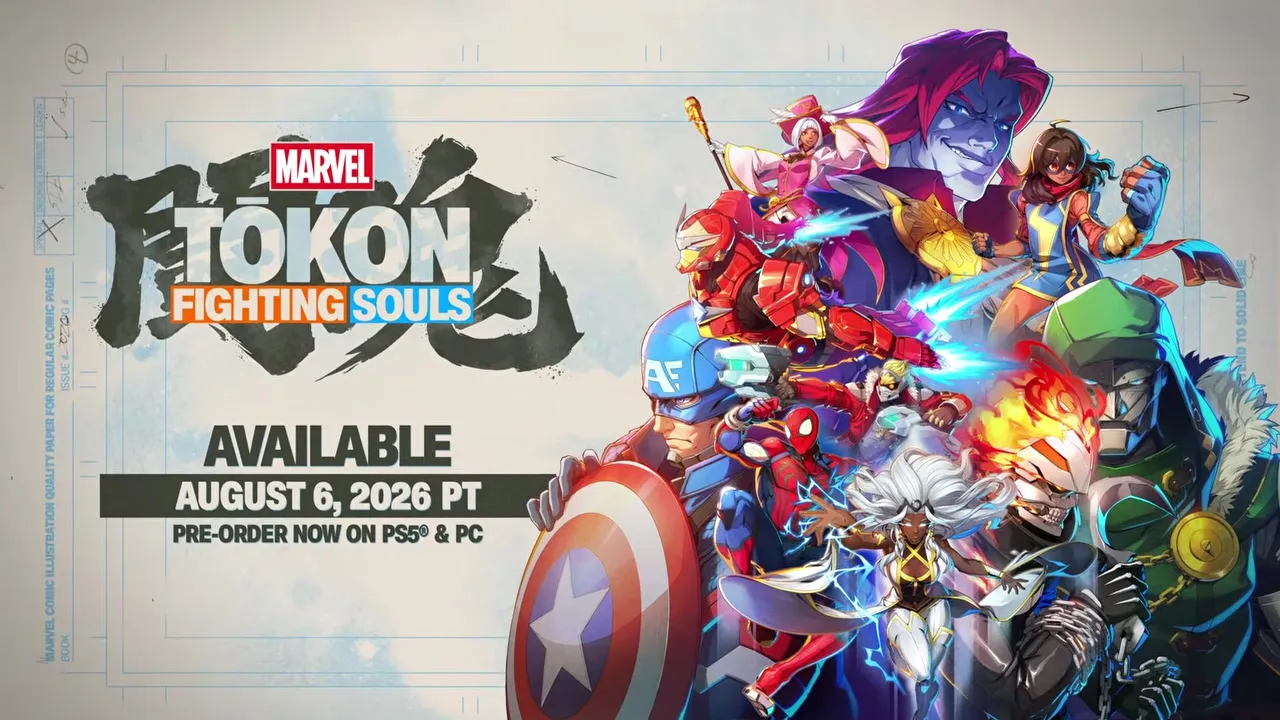
Champion of the Universe Is the Threat Behind Episode Mode
The Champion of the Universe is the central boss and cosmic villain driving MARVEL Tōkon: Fighting Souls' single-player Episode Mode story.
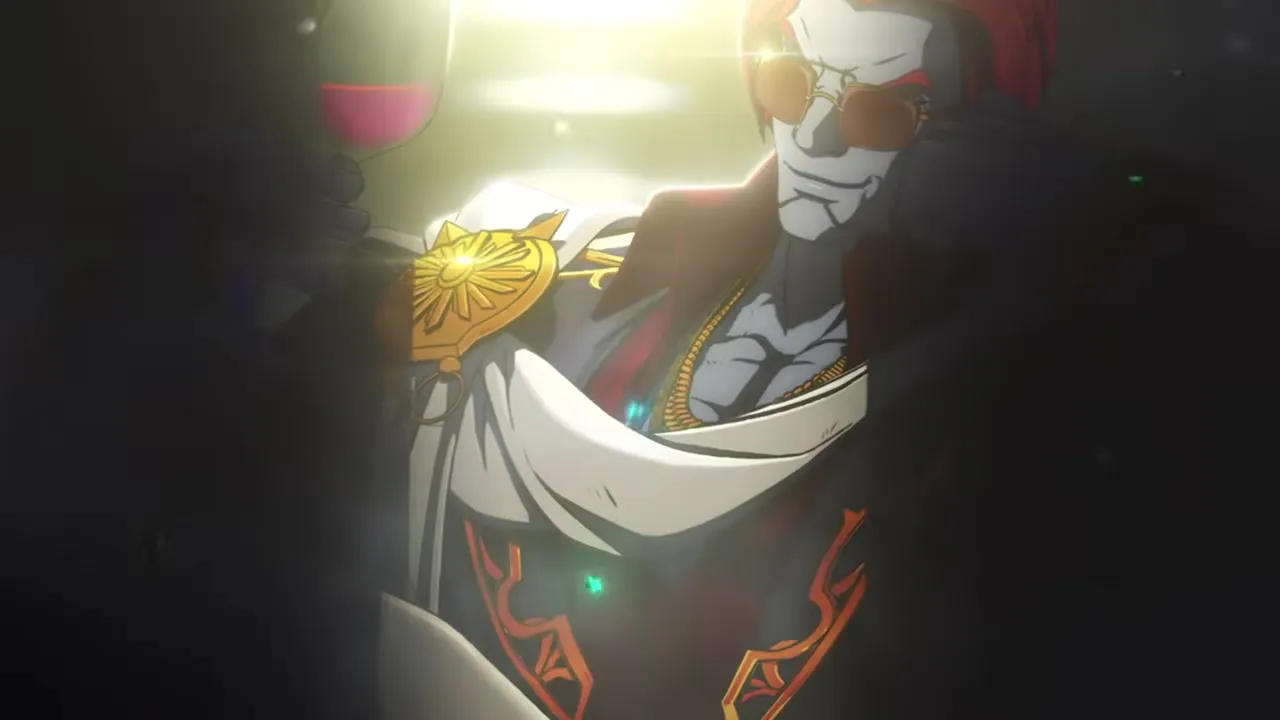
A Cosmic-Level Threat Steps Into the Ring
Every great fighting game needs a reason for its roster to throw hands, and MARVEL Tōkon: Fighting Souls has found one that draws from some of the deepest lore in Marvel’s cosmic library. The Champion of the Universe — an Elder of the Universe obsessed with physical combat — is the central antagonist driving Episode Mode’s storyline. He’s not just a narrative excuse for the fights to happen. From everything shown so far, he’s the kind of threat that could reshape how we think about single-player content in a fighting game.
For comics readers, the Champion is a fascinating pull. He’s not a household name like Thanos or Galactus, but he’s been a fixture of Marvel’s cosmic stories since the early 1980s. His whole deal is simple and terrifying: he travels the universe seeking the greatest fighters, challenging them to combat, and destroying civilizations that fail to entertain him. In a game literally called “Fighting Souls,” he’s thematically perfect.
The question everyone’s been asking since the State of Play showcase is: what exactly does Episode Mode look like? Here’s what we know, what we can reasonably infer, and what’s still up in the air.
What’s Been Confirmed
Arc System Works and Marvel Games have confirmed the following through official channels and the State of Play presentation:
The Champion of the Universe is manipulating events across Earth and beyond, orchestrating confrontations between heroes and villains as a way to identify the universe’s strongest fighters. This creates the narrative framework for why characters who’d normally have no reason to fight each other — say, Spider-Man and Storm — end up in combat. It’s the classic Marvel crossover setup: a cosmic threat forces unusual alliances and unexpected conflicts.
The Knights of Doom are explicitly tied to this storyline. Doctor Doom has formed his villain faction — recruiting Magneto, Green Goblin, and Carnage — apparently in response to the Champion’s machinations. Whether Doom is trying to stop the Champion on his own terms, exploit the chaos for his own purposes, or some combination of both is unclear. Knowing Doom from the comics, it’s almost certainly the last option.
A cinematic sequence shown during State of Play depicted Captain America confronting Doom about his faction’s activities, with Doom delivering what sounded like a warning about a threat “beyond the concerns of nations.” That line, combined with the Champion reveal, paints a picture of a story where the heroes and the Knights of Doom eventually have to cooperate against a common enemy — but only after beating the hell out of each other first.
The Champion as a Boss Fight
This is where things get speculative, but it’s informed speculation based on Arc System Works’ track record and what’s been shown. The Champion of the Universe almost certainly functions as Episode Mode’s final boss encounter, and there’s reason to believe he won’t play like a standard roster character.
Arc System Works has a history of creating boss encounters that break their own game’s rules. Guilty Gear Strive’s arcade mode bosses had super armor, screen-filling attacks, and mechanics that weren’t available to the playable roster. Dragon Ball FighterZ’s story mode featured giant boss fights with health bars that spanned the entire screen. Given the Champion’s cosmic power level — this is a being who’s gone toe-to-toe with the Thing, the Silver Surfer, and Thanos in the comics — expect something similarly oversized.
The trailer footage that’s been dissected most carefully shows a brief shot of what appears to be a massive arena — much larger than the standard stages — with a towering figure surrounded by golden energy. The community consensus is that this is the Champion’s boss arena, and that the fight will likely incorporate the 4v4 tag system in some novel way. Imagine needing your full team of four to chip away at a boss who doesn’t flinch from normal attacks and requires coordinated tag strategies to create openings.
That’s not confirmed. But it’s the kind of design that would make Episode Mode feel distinct from just fighting CPU opponents in sequence.
The Elders of the Universe in Marvel Lore
For those less familiar with the comics background, the Champion of the Universe — also known as Tryco Slatterus — is one of the Elders of the Universe, a group of ancient beings who each obsess over a single pursuit. The Collector collects. The Grandmaster plays games. The Champion fights.
What makes him dangerous isn’t raw power, though he has plenty of that. It’s his obsession. He doesn’t just want to win fights — he wants to find the worthiest opponents in existence. He’s wielded the Power Gem (one of the Infinity Stones, in older continuity) purely to test his strength against the strongest beings in the cosmos. He once challenged the Thing to a boxing match and nearly destroyed the planet they were fighting on.
Arc System Works pulling from this corner of Marvel’s universe is genuinely exciting. It shows the developers are digging deeper than the obvious Thanos-as-final-boss choice and finding villains who thematically align with a fighting game’s core fantasy. The Champion doesn’t want to conquer the world or reshape reality — he wants the same thing the player wants: the best fight possible.
How Episode Mode Might Be Structured
Here’s where I’m going to lean into reasonable expectations rather than confirmed details, because Arc System Works hasn’t released a full breakdown of Episode Mode’s structure.
Based on the studio’s recent trajectory — Strive’s story mode was essentially a movie, while DBFZ’s story mode had branching map progression with fights interspersed — Tōkon’s Episode Mode probably lands somewhere between the two. The Sony partnership suggests a more cinematic approach with higher production values than a typical fighting game story mode, but the “Episode” branding implies discrete chapters rather than one continuous narrative.
My best guess? Something like this: Episode Mode is divided into story arcs, each following a different group of characters. One arc follows the Avengers — Iron Man, Captain America, Ms. Marvel — discovering the Champion’s influence. Another follows the X-Men — Wolverine, Storm, Magik, Danger — dealing with Magneto’s defection to the Knights of Doom. A third follows the Knights themselves, with Doom as a playable anti-hero dealing with the Champion’s direct interference.
Each arc features fights against both heroes and villains, with the stories converging for a final confrontation against the Champion. Along the way, the Wall Break system ties into the narrative — the Champion’s power is literally breaking the barriers between locations, which is why stages transition mid-fight.
That’s speculation, and I want to be upfront about that. But it’s the structure that makes the most sense given the 4v4 format, the Knights of Doom sub-plot, and Arc System Works’ design philosophy.
What This Means for the Game Overall
Episode Mode featuring a genuine cosmic threat with this level of narrative ambition matters beyond just giving single-player fans something to do. It matters for retention.
Fighting games live and die by their competitive scenes, sure. But the games that reach mainstream audiences — the ones that sell millions instead of hundreds of thousands — need strong single-player content. Injustice 2 proved that. DBFZ proved it with its story mode’s accessibility. Even Mortal Kombat’s continued dominance is partly attributable to its cinematic story modes drawing in players who might never touch ranked.
The Champion of the Universe as the driving force behind Episode Mode tells me that Sony and Marvel aren’t treating the single-player content as an afterthought. They’re building a story that leans into what makes Marvel compelling — cosmic stakes, character drama, unlikely alliances — and wrapping it around a fighting game framework that demands you actually get good at the game to progress.
For competitive players who might be tempted to skip Episode Mode entirely, consider this: if the mode uses the 4v4 tag system and requires you to learn different team compositions to clear different arcs, it’s basically a structured tutorial for the mechanics you’ll need online. That’s smart design.
What We’re Still Waiting to Learn
Several key questions remain unanswered. Is the Champion playable, or strictly a boss? Will Episode Mode have difficulty settings? Are there unlockable characters or costumes tied to completion? Does the mode support co-op?
We should get answers to most of these before the August 6 launch. Keep an eye on our everything we know hub, which we update the moment new official details drop. If you want to start preparing for Episode Mode’s combat challenges, the defense guide and combo basics guides are worth bookmarking — understanding the Skill Gauge and defensive mechanics will be critical against a boss who probably hits like a freight train.
The Champion of the Universe is watching. He’s judging. And in about seven weeks, we get to show him what we’ve got.