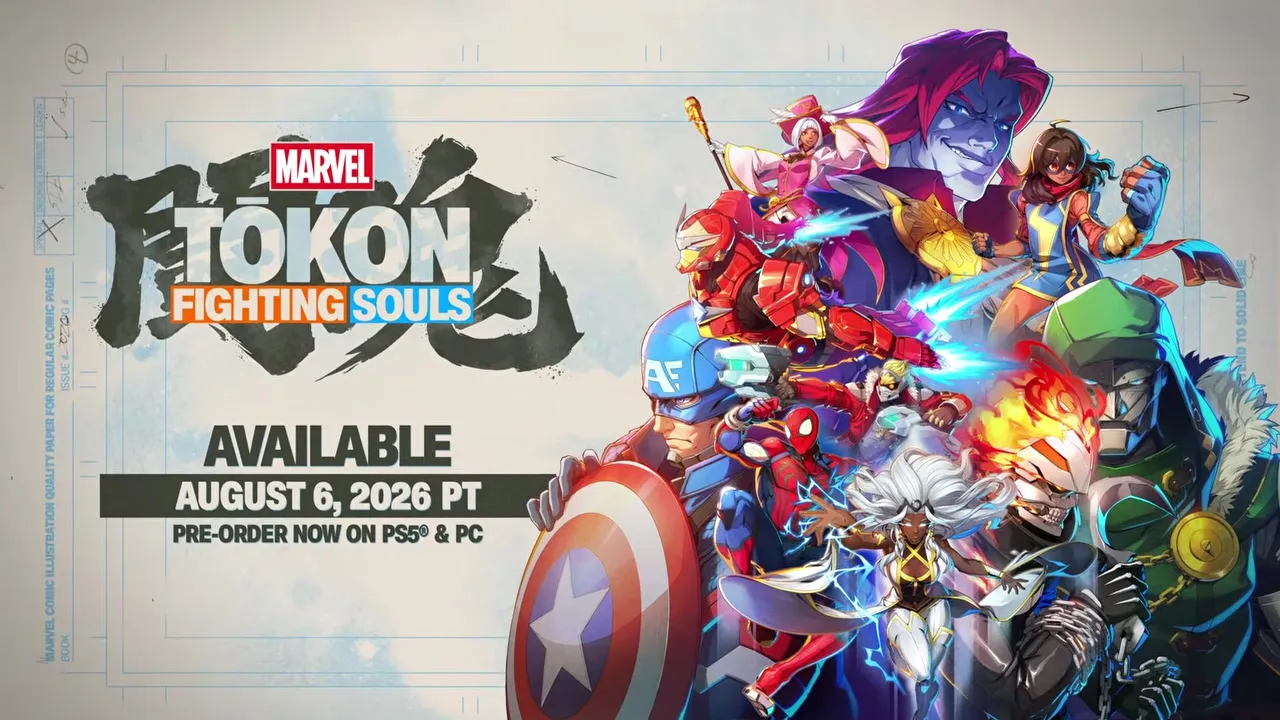
State of Play 2026: Everything Shown for MARVEL Tōkon
Full recap of every MARVEL Tōkon: Fighting Souls reveal from Sony's June 2026 State of Play, including gameplay, new characters, and story details.
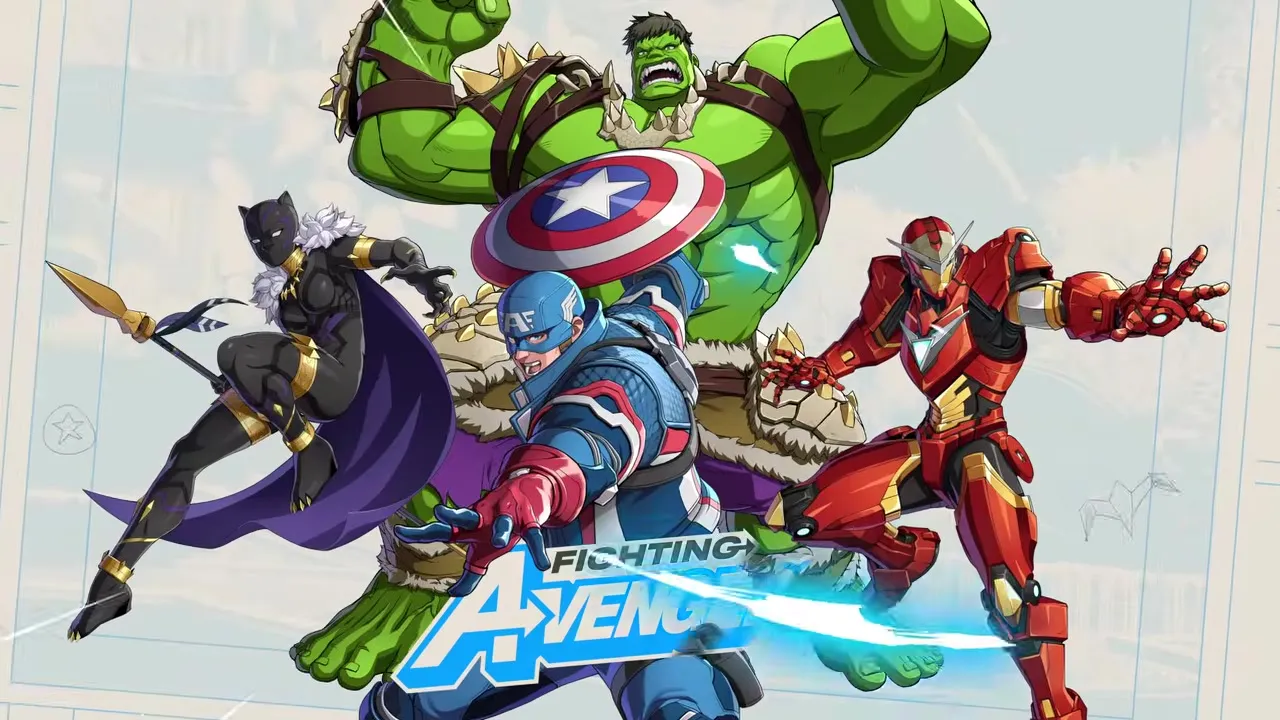
The State of Play Delivered
Sony gave MARVEL Tōkon: Fighting Souls a prime slot during their June 2026 State of Play showcase, and the team at Arc System Works used every second. What we got wasn’t a teaser or a hype reel — it was a genuine deep-dive into the game’s systems, several new character reveals, story mode details, and extended gameplay footage that’s already being dissected frame-by-frame across the FGC. If you missed the stream, strap in. There’s a lot to unpack.
The presentation clocked in at roughly twelve minutes, which is substantial for a State of Play segment. That length alone signals how much weight Sony is putting behind this title. This is PlayStation Studios co-publishing a marquee fighting game from the developers of Dragon Ball FighterZ and Guilty Gear Strive, and the production value of the showcase reflected that investment.
New Gameplay Footage Breaks Down the Tag System
The centerpiece of the presentation was an extended gameplay segment — roughly six minutes of uncut match footage featuring Spider-Man and Iron Man against Doctor Doom and Magneto. This wasn’t a scripted trailer. The players made mistakes, dropped combos, and scrambled in neutral, which honestly made it more useful than any polished montage would have been.
Here’s what stood out. The 4v4 tag system was on full display, and seeing it in action clarified so much about how matches actually flow. Both teams started with a single point character and one assist, just as described in earlier press materials. But watching the unlock conditions play out in real time — damage milestones, Wall Break triggers that shift the fight into a new stage area — made the system click in a way that descriptions alone couldn’t convey.
The first Wall Break happened around forty seconds into the match. Spider-Man landed a corner combo that ended with a cinematic stage transition, slamming Iron Man’s opponent through what looked like a Helicarrier wall into an open hangar bay. The camera angle shifted, the lighting changed, and both players immediately gained access to their second character. The pacing shifted from a tight one-on-one footsies game into something way more chaotic and creative.
By the two-minute mark, with both sides fielding three characters, the match looked like controlled madness. Assists flying in from off-screen, tag combos extending damage, and what appeared to be team-specific synergy moves between characters from the same affiliation. The Avengers pair seemed to have a coordinated launcher sequence, while Doom and Magneto had something that looked like a shared screen-control trap pattern.
Character Reveals: The Knights of Doom
The biggest crowd reaction — and I say that based on the live chat absolutely losing its mind — came from the Knights of Doom reveal. Four villains, one unified team: Doctor Doom, Magneto, Green Goblin, and Carnage.
Each got a brief showcase. Doom looked exactly as imperious and oppressive as you’d hope — lots of screen control, trap setups, and what appears to be a command grab super. Magneto’s aerial mobility is absurd, with float states and magnetic pull mechanics that seem designed to suffocate opponents’ movement options. Green Goblin fights from his glider with a pumpkin bomb arsenal that screams “setplay nightmare.” And Carnage — absolute rushdown berserker energy, all tendrils and frame traps and relentless pressure strings.
The four are tied directly to Episode Mode’s story, serving as a villain faction opposing the main roster. More on that in a moment.
Episode Mode and the Champion of the Universe
The State of Play didn’t just show fighting. A two-minute cinematic segment pulled back the curtain on Episode Mode’s central storyline. The short version: a cosmic-level threat called the Champion of the Universe is the big bad driving the narrative. He’s manipulating events from behind the scenes, pitting heroes against each other while the Knights of Doom carry out their own agenda.
The cinematic quality was, genuinely, some of the best I’ve seen from Arc System Works. If you’ve played the Strive story mode, imagine that but with Marvel’s cinematic language layered on top. There’s a sequence where Captain America confronts Doom in what looks like a destroyed Latverian embassy, and the dialogue framing was pure comics — operatic, dramatic, and a little campy in exactly the right way.
What we don’t know yet is how much of Episode Mode is playable fights versus cinematic storytelling. Strive leaned heavily toward the latter, which was polarizing. Given that this is a Sony-published title with mainstream audience expectations, I’d expect a more traditional structure with fights woven between story beats. But that’s speculation until we see more.
Movement and Defense Deep-Dive
Buried in the gameplay footage were some critical details about the game’s defensive systems and movement. The Drive Movement system was shown explicitly for the first time — a universal dash mechanic that consumes a small portion of what’s being called the Skill Gauge, the game’s primary meter resource. Think of it as Guilty Gear’s Roman Cancel meets DBFZ’s Vanish, but tuned for a four-character format.
Drive dashes appear to function differently on the ground versus in the air. Grounded dashes covered significant distance and seemed to be cancellable into normals, making them an aggressive tool for closing space. Air dashes looked shorter but could be chained — one clip showed Storm performing what looked like a triple air dash sequence over Carnage’s head, repositioning multiple times before landing a cross-up attack.
On the defensive side, the footage showed at least two distinct escape mechanics: a Burst-style blowback that costs significant meter, and a pushblock that appeared to be free but left the user in some recovery. The Burst triggered a full-screen flash and knocked the attacker away, while the pushblock created enough space to reset to neutral without the dramatic resource cost.
For competitive players, this is huge. The balance between offense and defense in a tag fighter determines the entire feel of the game. Too much defensive freedom and matches stall out. Too little and the game becomes a touch-of-death festival where whoever wins the opening interaction wins the round. What we saw suggests Arc System Works is threading the needle — strong offensive tools, but enough defensive options to make comebacks feel possible even when you’re being pressured by multiple characters.
Frame Data Observations (Speculative)
I want to be careful here because nothing is confirmed, and reading frame data from compressed stream footage is a fool’s errand. But a few things seem apparent from the footage.
Normal attacks look fast — startup on jabs appeared to be in the 5-6 frame range, consistent with Arc System Works’ usual design. The Drive dash seemed to have maybe 3-4 frames of startup before the character moved, which would make it reactable but tight. And the Wall Break transitions had roughly a one-second cinematic, which is short enough to maintain match flow without feeling like an interruption.
Again, none of these are official numbers. We’ll have proper data closer to launch, and our combo basics guide will be updated as real information becomes available.
What the State of Play Didn’t Show
Worth noting what was absent. No mention of online netcode specifics — rollback is expected given Arc System Works’ post-Strive commitment, but it wasn’t confirmed in this presentation. No PC-specific settings discussion. No pricing details for the different pre-order editions. And no additional character reveals beyond the Knights of Doom quartet.
That last point is interesting. With fourteen fighters now confirmed and the game promising 20+ at launch, there are still at least six characters waiting in the wings. The community is going to spend the next two months speculating furiously — check our roster tracker for updates as they come.
The Takeaway
The State of Play presentation did exactly what it needed to do: it moved MARVEL Tōkon from “interesting announcement” to “must-play fighting game.” The tag system looks genuinely innovative, the roster is shaping up to cover both fan-favorite picks and deep-cut surprises, and Arc System Works’ visual craftsmanship remains unmatched.
August 6 can’t come fast enough. If you’re new to fighting games and this is the one that’s pulling you in, start with our beginner’s guide — we’re building it out in real time as new information drops. And if you’re a veteran trying to figure out which characters to lab first, the everything we know hub has every confirmed detail in one place.
The fighting game summer of 2026 is officially here. Tōkon just set the bar.