Blocking, Bursts & Defense
Get out of pressure
A complete overview of defensive mechanics in MARVEL Tōkon: Fighting Souls — blocking, push block, bursts, and how to escape pressure from rushdown characters and tag mixups.
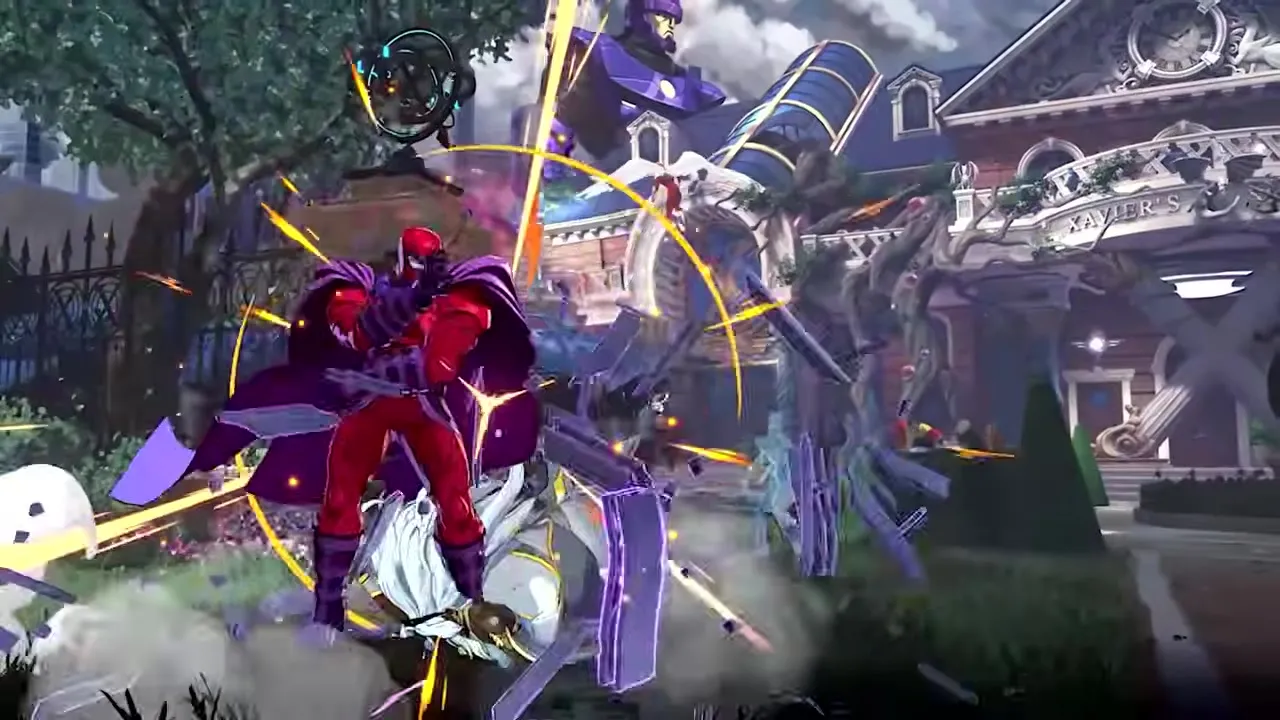
Defense wins rounds — offense just gets the credit.
Defense in MARVEL Tōkon: Fighting Souls isn’t glamorous, but it’s what keeps you alive long enough to mount a comeback. In a game built around escalating 4v4 tag pressure where opponents can call assists mid-string and chain offense across multiple characters, knowing when and how to block — and when to spend resources to escape — separates players who occasionally win from players who consistently win.
Blocking fundamentals
The foundation of defense in any fighting game is the block. Hold back (or back-down) and your character raises a guard that absorbs incoming attacks without taking real damage. Sounds simple, but the details matter enormously.
Standing block protects against mids and overheads (attacks aimed high). You hold the stick or pad backward. This catches most normal attacks, jumping attacks, and overhead specials. What it doesn’t catch: lows.
Crouching block protects against mids and lows. You hold down-back. This stops sweeps, low kicks, and any attack that targets the legs. What it doesn’t catch: overheads.
The interplay between these two stances is what offensive mixups exploit. If the attacker makes you guess wrong — you’re blocking low and they hit overhead, or you’re standing and they sweep — you eat the hit. Tōkon’s 4v4 system makes this worse because an assist call during a blockstring adds a second angle of attack, forcing you to defend against two hitboxes simultaneously.
Air blocking is expected in Tōkon, following ArcSys tradition. While airborne, holding back will block most aerial attacks. Air blocking is essential in tag fighters where characters frequently approach from the air or launch opponents into aerial scrambles. The usual caveat: air blocking typically doesn’t work against grounded attacks, so jumping to “avoid” a mixup can backfire if the opponent is ready with an anti-air.
Push block (advancing guard)
Push block — pressing a specific input while blocking — shoves the opponent away from you. In Marvel vs. Capcom games this is called Advancing Guard, and it’s one of the most important defensive tools in any tag fighter.
Why it matters in Tōkon specifically: with assists layering extra pressure onto your blockstrings, push block is often your only way to create distance without committing to a jump or a reversal. You push the point character away, which also moves their assist out of comfortable range, giving you a window to breathe and potentially escape the pressure sequence entirely.
Push blocking is expected to be free (no meter cost) but requires precise timing. Mashing it out works against sloppy offense, but a good opponent will bait your push block and punish the recovery. The best defenders use push block selectively — once or twice during a string to create the exact gap they need — rather than hammering it from the first blocked hit.
Bursts
The burst is the panic button. When you’re caught in a combo and watching your health drain, a burst is a system mechanic that interrupts the opponent’s string and blows them away, returning both players to neutral. It’s loud, it’s dramatic, and it’s the single most impactful defensive tool in ArcSys games.
Bursts in Tōkon are expected to work something like this:
- Activation: a specific button combination usable while getting hit
- Effect: a shockwave knocks the opponent away, ending their combo immediately
- Resource cost: bursts typically run on their own gauge that recharges slowly, or cost a significant amount of Skill Gauge meter
- Recovery: after bursting, you land in a neutral state — no longer getting comboed, but not in an advantageous position either
The strategic depth comes from the scarcity. You get maybe one burst per round (or longer), so choosing when to use it is critical. Burning your burst early to escape a short combo means you have nothing left when the opponent opens you up for a round-ending sequence later. Top players hold their burst as long as possible, eating damage they can afford to lose, and only pressing it when the alternative is losing their character outright.
In Tōkon’s tag format, there’s an extra consideration: do you burst to save your current point character, or do you let them go down and save the burst for a more important team member? If your point character is nearly dead anyway, it might be better to save the burst for your anchor.
Guard cancel / reversal attacks
Guard cancels — counterattacks performed directly from a blocking state — are another expected defensive option. While blocking, you input a specific command and spend meter to have your character attack through the opponent’s pressure.
These typically:
- Cost 1 bar of Skill Gauge
- Are invincible on startup so they cut through the opponent’s attack
- Deal moderate damage — enough to reset the situation, not enough to win outright
- Have punishable recovery if blocked, so they’re not free
Guard cancels are especially useful against opponents who are running long, oppressive blockstrings with assist coverage. When push block isn’t enough to escape and you don’t want to spend your burst, a well-timed guard cancel can catch the opponent off guard and flip the momentum.
Defensive movement and the tag system
Smart movement is sometimes better than any system mechanic: backdash on pressure gaps, jump out during resets, or Drive Dash backward when the system allows. The key is recognizing which gaps in the opponent’s offense are real versus fake — a skill that grows with matchup experience.
Tōkon’s progressive tag system adds a macro-defensive layer. Tagging out a low-health fighter to regenerate while a fresh character takes over is standard tag defense — but it only becomes available as your roster unlocks. Early defense relies on system mechanics; late-match defense incorporates strategic tag rotations and health management across all four characters.
For practical defensive strategies applied to real match scenarios, check the defense guide and the beginner’s guide for foundational habits.