Defense Guide: Blocking, Bursts and Escaping Pressure
Master defense in MARVEL Tōkon: Fighting Souls — learn when to block high or low, how push block creates space, when to burst, and how to survive escalating tag pressure.
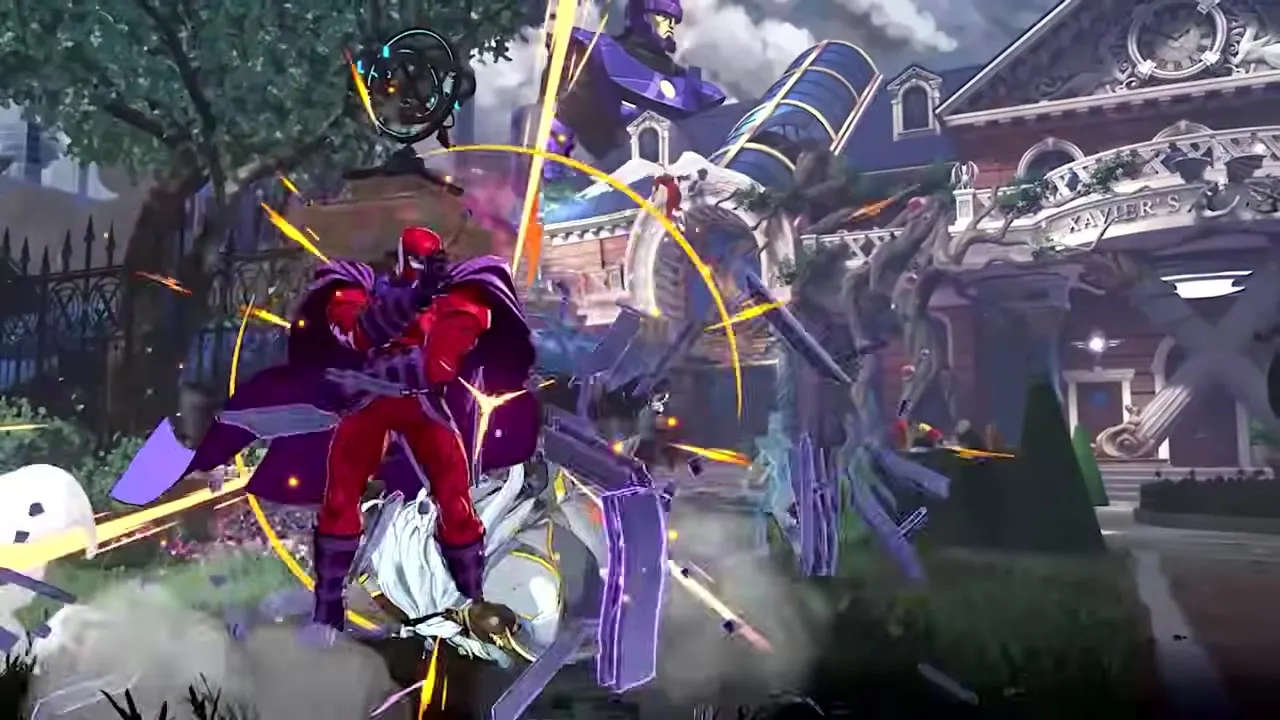
Everybody loves offense. Nobody talks about the player who blocked fifteen mixups in a row and then punished a gap with a single crouching medium into a game-winning combo. But that’s how matches are actually won in MARVEL Tōkon: Fighting Souls — and in every fighting game, frankly. Defense isn’t passive. Done right, it’s an active, read-heavy skill that turns your opponent’s aggression into your opportunity.
Tōkon’s 4v4 tag system makes defense both harder and more interesting than in a typical fighter. As the match progresses and more characters unlock, your opponent gains access to more assists, more mixup layers, and more pressure reset tools. The defensive toolkit has to scale to match — and it does, through a layered system of blocking, push block, bursts, guard cancels, and smart movement.
Blocking: the foundation that never stops mattering
I know. “Hold back” sounds too simple to dedicate a section to. But the number of players who lose matches because they don’t block correctly is staggering, even at intermediate levels.
Default to crouching block. Hold down-back. This blocks all mids and lows. Only switch to standing block when you identify an overhead — a jumping attack, a command overhead, or an air dash approach. Crouching block covers more of the common attack spectrum, so it should be your resting state.
Watch for overheads. The most common ways you’ll get opened up in Tōkon:
- Jump-in attacks — the opponent jumps and hits you with an aerial normal. Stand block this.
- Command overheads — special moves that hit overhead, usually with a visible windup animation. Stand block on reaction if the startup is slow enough.
- Air dash cross-ups — the opponent air dashes over your head, switching the direction you need to block. This is the hardest one because you need to identify their position and block accordingly.
Don’t block high preemptively. Standing block loses to lows, and good players will sweep you constantly if you’re standing when you shouldn’t be. Only switch to standing for specific threats you can identify. Otherwise, down-back is your home.
Air blocking. When you’re airborne — whether you jumped intentionally or got knocked into the air — hold back to block aerial attacks. Air blocking is expected in Tōkon and is essential during the aerial scrambles that happen in full 4v4 combat. The caveat: you can’t air-block grounded moves, so jumping into a meaty grounded attack gets you hit.
Push block: creating breathing room
Push block (or advancing guard, in Marvel game terminology) is the tool that makes blocking bearable against teams with assists. You press a specific input while blocking, and your character shoves the opponent away, creating distance between you.
Here’s why push block matters specifically in Tōkon: tag fighters have notoriously oppressive offense. Your opponent’s point character is running a blockstring, and then an assist hits you from the other side, and now the point character has reset their pressure, and another assist is coming. Without push block, you’re stuck blocking forever or guessing on a mixup.
Push block shoves them away. It gives you room to breathe, potentially creating enough distance to escape the pressure entirely or at least making the opponent’s next assist call whiff.
When to push block:
- During the assist portion of a blockstring — pushing the point character away while the assist is hitting you means the point character can’t immediately continue when the assist ends
- Against moves that leave the opponent very close — if you’re being crowded, push block creates the spacing you need
- To prevent corner traps — push block near the wall gives you room to escape before a Wall Break setup
When NOT to push block:
- Against single-hit pokes in neutral — you don’t need it, and the recovery might leave you worse off
- Immediately on the first blocked hit — wait for the right moment in the string for maximum effect
- Recklessly in the corner — push block’s pushback can be negated by the wall behind you, making it less effective
Bursts: your emergency exit
The burst is the nuclear option. When you’re trapped in a combo — watching your health bar drain while the opponent extends into a tag combo and carries you toward the wall — the burst blows them away and resets both players to neutral.
Based on ArcSys conventions, bursts in Tōkon are expected to work on a gauge that recharges slowly over time. You might get one burst per round, maybe slightly more in longer rounds. That scarcity is the whole point: burst is so powerful that if it were unlimited, offense would be meaningless.
When to burst:
- When the combo will kill your character if it completes — this is the clearest use case
- When the opponent is setting up a Wall Break that would unlock a key team member — denying the break can be worth the burst
- When losing your current character would cost you a critical team position (like your only remaining healthy fighter)
When to save burst:
- Short combos that won’t kill — take the damage, keep the burst for something worse
- Early in the round when both players are healthy — you’ll need it more later
- When you’re already going to lose the character regardless — save the burst for a more important team member
Burst baiting: Good opponents will bait your burst. They’ll drop their combo intentionally — stopping mid-string to create a gap where you think you’re free. If you burst during that gap, you’re committing the burst in a neutral state, and they can block it and punish you. The safest time to burst is during a confirmed combo string, not during resets.
Guard cancel: counterattacking from block
Guard cancels — counterattacks performed while blocking that cost Skill Gauge meter — are your mid-tier defensive tool. They’re less dramatic than bursts but more proactive than just blocking and waiting.
The expected mechanic: while blocking, input a specific command plus spend one bar of meter. Your character performs an invincible counterattack that interrupts the opponent’s pressure and deals moderate damage. The opponent is knocked away, giving you neutral back.
Guard cancels are ideal when:
- The opponent is running autopilot blockstrings with predictable timing
- You have meter to spare and your burst gauge is empty
- You’re in the corner and push block isn’t creating enough space
- The opponent is being overly reliant on assist pressure that has a gap you can read
The risk: if the opponent reads your guard cancel, some games allow them to block it and punish your recovery. Guard cancels aren’t free — they’re a read-based tool with meter cost. Use them when you have a genuine read on the opponent’s timing.
Defensive movement
Not every escape requires a system mechanic. Sometimes the best defense is smart movement.
Backdash on gaps. When there’s a gap in the opponent’s blockstring — a moment where they’re at disadvantage — backdash out. Backdashes have invincible startup frames (expected) that let you pass through the next attack in the string if timed correctly.
Jump out of resets. Between the opponent’s pressure sequences, jumping backward can escape the vortex. The risk is getting anti-aired, but if the opponent has to respect your jump option, it opens up other escape routes too.
Drive Dash backward. If Tōkon’s Drive system allows backward dashes with special properties (armor, invincibility, extra distance), this becomes a premium escape tool — though it likely costs meter.
Roll or tech after knockdowns. When you’re knocked down, you’ll have options for how to get up — quick rise, delayed rise, roll forward, roll backward. Varying your wakeup timing makes it harder for the opponent to time their okizeme pressure.
Defense across the tag phases
The progressive tag system changes what defense looks like at each stage of the match:
Phase 1 (1v1 + assist): Defense is relatively straightforward. One opponent with one assist. Learn their blockstring, identify the gap, take your turn. Push block when the assist covers them. Burst if a combo threatens your point character.
Phase 2 (2–3 fighters): Two assists now. The opponent can layer pressure more creatively — one assist covering while they mix you up, then the other assist resetting their pressure. Push block becomes essential. Guard cancels start earning their meter cost because the pressure density is higher.
Phase 3 (full 4v4): Maximum chaos. Three possible assists, tag combos, snapbacks. You’re blocking attacks from multiple angles, managing burst and meter simultaneously, and deciding which character to sacrifice versus which to protect. This is where elite defense shines — the player who can weather the storm and find their opening amidst the chaos.
Matchup-specific defense
Different characters require different defensive approaches:
| Attacker archetype | Primary threat | Defensive focus |
|---|---|---|
| Rushdown (Spider-Man, Wolverine) | Speed, cross-ups, relentless pressure | Push block, anti-air, don’t let them in |
| Zoner (Storm, Magneto) | Projectiles, space control | Patient advance, jump over projectiles, punish gaps |
| Technical (Doctor Doom, Magik) | Setups, unusual mix, hard reads | Study their tools, respect their setups, burst wisely |
| Power (Ghost Rider) | Long range, high damage per hit | Stay out of their optimal range, punish whiffs |
| Grappler (if applicable) | Command throws that beat blocking | Jump, backdash, or preemptive strike |
The defensive mindset
The biggest upgrade you can make to your defense isn’t a technique — it’s a mindset shift. Stop thinking of blocking as “waiting for the opponent to stop.” Start thinking of it as “gathering information while I look for my opening.”
Every blocked string tells you something. The opponent’s assist timing, their preferred mixup direction, whether they go for throws or frame traps, which gaps are real and which are fake. A patient defender who’s paying attention will find the opening after two or three blocked sequences and convert it into a full combo that wins the round.
Defense wins rounds. Get good at it, and you’ll beat opponents who have flashier combos but worse patience.
For the system-level breakdown of every defensive mechanic, check the defense mechanics codex page. For basic defense habits, the beginner’s guide covers the essentials.