Wolverine
Relentless Claw Rushdown
Wolverine rushdown guide for MARVEL Tōkon Fighting Souls. Logan playstyle, claw specials, tag combos and competitive tips.
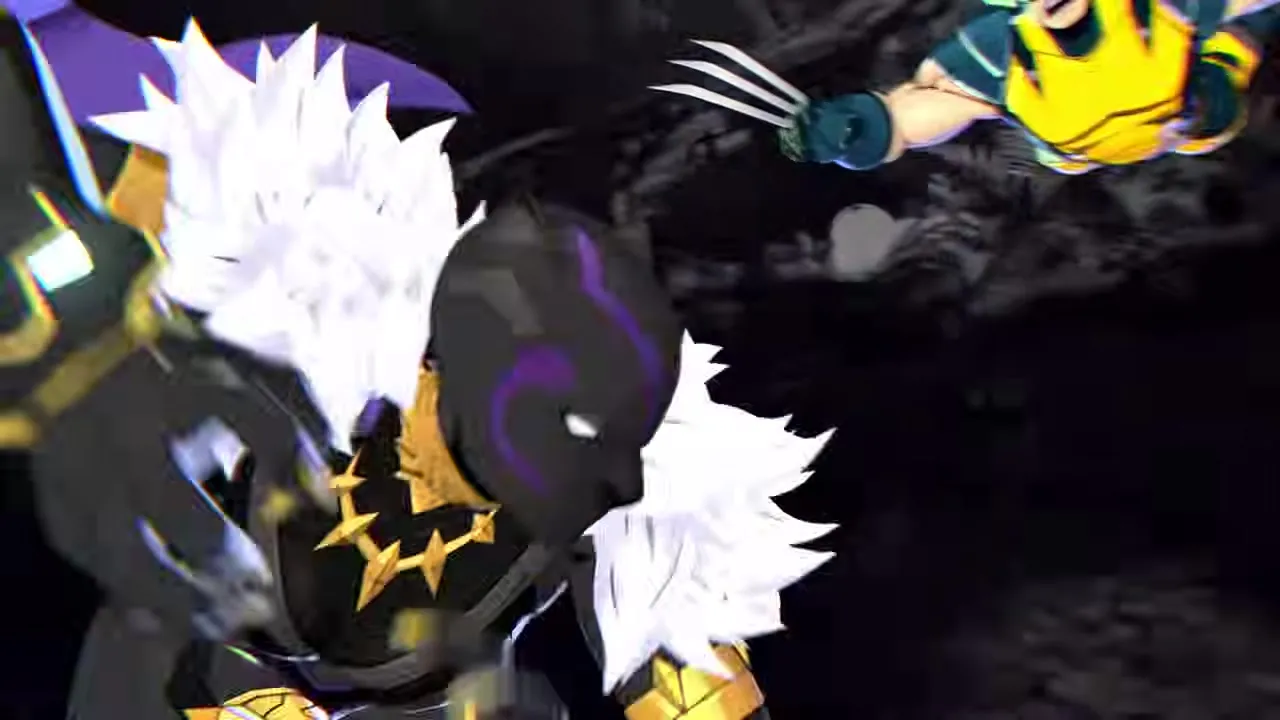
I'm the best there is at what I do. And what I do is mix you up.
Who Is Wolverine in MARVEL Tōkon: Fighting Souls?
Logan doesn’t need a flowery introduction. He’s short, he’s angry, and he’s got adamantium claws. In MARVEL Tōkon: Fighting Souls, Wolverine appears to be exactly what you’d expect from Arc System Works: a compact, ferocious rushdown character who gets in your face and never leaves. The Fighting Avengers trailer showed him darting across the screen with a speed that made even Spider-Man look measured by comparison.
What makes Wolverine particularly interesting in this game is the tag system. In previous Marvel fighters, Wolverine was often a point character who burned through opponents with raw aggression. In Tōkon’s progressive 4v4 format, his ability to deal damage quickly and trigger Wall Breaks could mean he accelerates the entire team’s unlock pace. Get Logan in first, let him do what he does, and watch the rest of your squad come online faster than your opponent’s.
Playstyle and Archetype
Wolverine is rushdown distilled to its purest form. He wants to be at close range, pressing buttons, running mix-ups, and never giving the opponent a moment to think. His claw normals are fast with short range, which means his neutral game relies on movement and getting into position rather than poking from safety.
ArcSys loves designing small, fast characters — think Chipp Zanuff in Guilty Gear or GT Goku in DBFZ. Wolverine fits right into that mold. Expect him to have the fastest ground speed in the game, multiple ways to cross up, and a divekick or similar aerial approach tool. His medium difficulty likely comes from needing to understand when not to press buttons — because if you guess wrong up close, you’re eating a full combo from the other side.
The anticipated healing factor is fascinating from a design perspective. If Wolverine recovers a portion of health passively (common in Marvel games), it changes the math on trading hits. Taking a hit to land your own mix-up becomes viable when you’re recovering that damage over time, especially in a 4v4 game where he might tag out, heal passively, and come back later.
Signature Moves and Specials (Expected)
Informed speculation from trailers and Marvel fighting game legacy. Frame data unconfirmed.
Berserker Slash — A rapid dashing slash that likely crosses up. This is probably his primary approach tool and mix-up starter. Expect it to be fast enough to be reactable only with hard reads, not on reflex.
Berserker Charge — A forward-rushing multi-hit attack. Logan charges across the screen with claws out. This is almost certainly his wall-carry tool — perfect for pushing opponents through Wall Breaks.
Drill Claw — An aerial dive attack at a steep angle. Functions as a divekick, giving Wolverine an aerial approach that bypasses ground-level defense. Crucial for his high/low game when paired with lows after landing.
Tornado Claw — A rising claw attack, likely invincible on startup. Functions as his reversal and anti-air. Risky on block, devastating on hit, and probably comboable into air chains for additional damage.
Berserker Barrage X (Super) — Wolverine’s iconic rapid-slash super. Based on the Skill Gauge, expect this as his level-1: a blur of claw strikes that does heavy damage up close.
Weapon X (Expected Level-3) — A cinematic berserker rage sequence. ArcSys will make this brutal, visceral, and absolutely gorgeous.
Tag and Assist Synergy
Wolverine’s tag role is clear: he’s your opening act. Put him on point, let him rush down the opponent, build Skill Gauge meter, and trigger Wall Breaks as fast as possible. Once he’s done his job — or if he takes too much damage — tag him out to heal passively while your next character continues the pressure.
His expected Berserker Slash assist would be a fast-hitting, potentially cross-up assist that disrupts the opponent’s blocking. That’s the kind of assist that makes neutral a coin flip for your opponent, which is incredibly valuable in competitive play.
Wolverine benefits from assists that keep opponents in place. A beam assist from Iron Man or a lockdown assist from Storm gives Logan the opening he needs to get in without having to win the approach on his own.
Who to Pair Him With
Wolverine wants teammates who set him up and benefit from his aggression.
Storm — The definitive X-Men pair. Storm zones, Logan rushes. When Storm’s projectiles force the opponent to block, Wolverine tags in behind them for a free mix-up. When Logan needs a break, tag Storm and reset to zoning.
Spider-Man — Double rushdown. Two characters who never stop attacking create a tag pressure loop that some teams simply won’t be able to handle. Spidey covers the air angles that Wolverine’s ground-focused game can miss.
Magneto — Complicated lore-wise, but Magneto’s likely zoning and disjointed normals set up Wolverine perfectly. Magnus controls the screen, Logan reaps the reward. See the beginners’ guide for help building your first competitive team.
Tips for Beginners
Wolverine is intuitive — get close, press buttons, do damage. But new players often forget about defense when playing rushdown characters. You’re going to be close to the opponent constantly, which means their mix-ups are a threat too. Learn to block and recognize when it’s your turn versus theirs. Focus on a simple ground combo into Berserker Charge for wall-carry, and use Drill Claw as your air approach. Don’t try to mix people up until you can consistently convert basic hits into damage.
Tips for Competitive Players
Wolverine’s ceiling is defined by his mix-up game and tag routing. Once frame data comes out, study his fastest overhead and lowest low — the gap between them determines his offense. His Berserker Slash cross-up will probably be the single most-labbed tool in the game. Practice tag combos where Logan starts, tags mid-combo to a heavy-hitter for damage, then tags back for the wake-up mix-up. In the tag system, Wolverine who converts every knockdown into an inescapable vortex backed by an assist will be a menace. His healing factor means you can afford to take calculated risks other characters can’t — quantify that advantage and exploit it.