Captain America
Shield-Bearing Team Captain
Captain America all-rounder guide for MARVEL Tōkon Fighting Souls. Shield gameplay, assists, tag combos and tips for Steve Rogers.
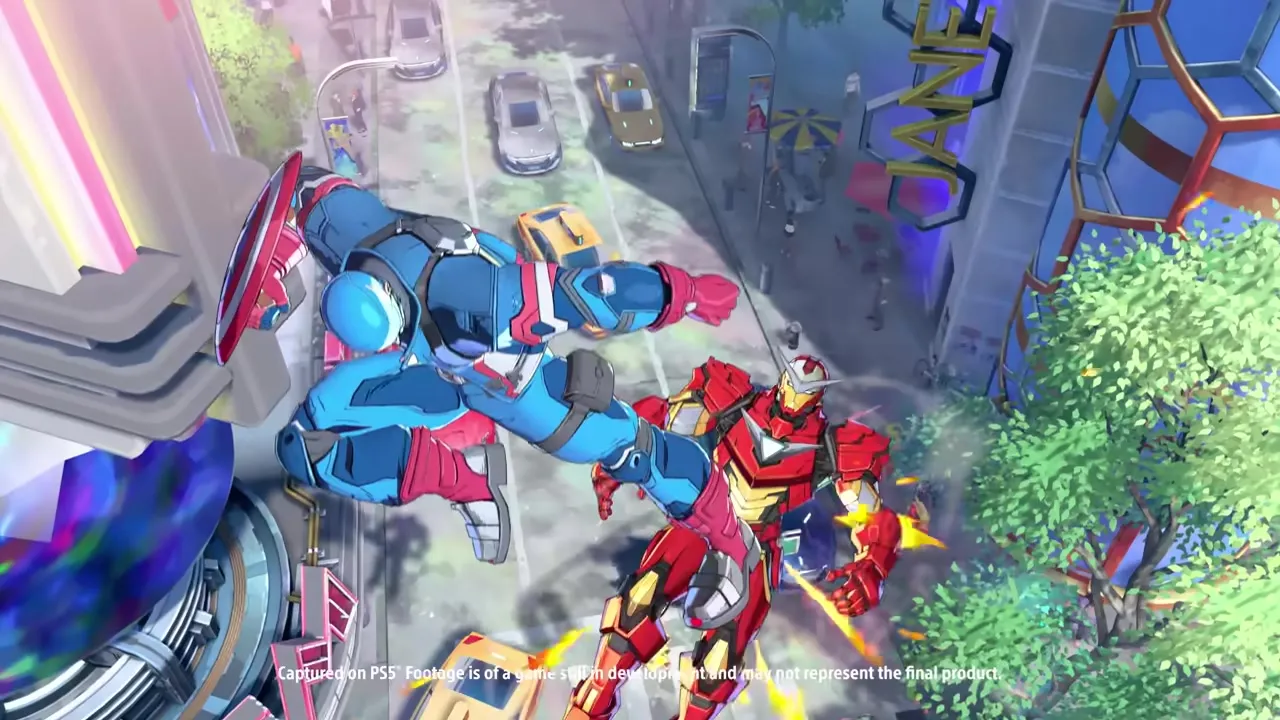
I can do this all day — and so can my shield.
Who Is Captain America in MARVEL Tōkon: Fighting Souls?
Steve Rogers is the backbone of the Avengers and, in MARVEL Tōkon: Fighting Souls, he looks every bit the dependable all-rounder the team needs. Featured in the Fighting Avengers trailer throwing his shield and charging through opponents, Captain America carries the same reliable energy he’s brought to every Marvel fighting game. ArcSys has rendered his suit with a tactile quality — you can almost feel the texture of the vibranium shield in their cel-shaded style.
What’s exciting about Cap in this game specifically is how his kit should interact with the tag system. A character who can hold his own at any range, provide a solid assist, and lead a team — that’s exactly what a 4v4 tag fighter rewards. He’s not going to blow anyone up with a single touch, but he’s going to be the reliable core that holds your team together.
Playstyle and Archetype
Captain America is an all-rounder in the purest sense. He has tools for every range: shield normals for up close, Shield Toss for mid-range, and Charging Star to close gaps or push opponents toward the wall. He’s not the best at any one thing, but he’s never truly disadvantaged either. That versatility is exactly what makes him appealing — especially for players still figuring out the game’s tempo.
His strength in Tōkon likely comes from fundamentals. While Spider-Man rewards creativity and Magik rewards execution, Cap rewards patience, spacing, and good reads. His shield gives his normals more range than his character model suggests, and ArcSys historically gives these “honest” characters safe pressure with plus-on-block strings.
In the Wall-Break economy, Cap should be solid. Charging Star has always been a move that carries opponents across the screen, and in a game where stage transitions are a core mechanic, that forward-pushing movement is currency.
Signature Moves and Specials (Expected)
Informed speculation from trailer analysis and fighting game conventions.
Shield Slash — A horizontal shield throw that returns to Cap like a boomerang. Expect fast startup, decent recovery, and use as both a neutral tool and combo extension. This is almost certainly the basis for his assist.
Charging Star — Cap’s signature rushing attack. He dashes forward shoulder-first behind his shield. Based on every previous version, expect it to have some invincibility or armor and be one of his primary combo enders that carry opponents to the wall for Wall Breaks.
Stars and Stripes — A rising shield uppercut that likely serves as his primary anti-air and reversal. Expect invincibility on startup but significant recovery on whiff — the classic risk/reward ArcSys reversal design.
Backflip — A defensive option that creates space. Probably has brief invincibility and can be cancelled into Shield Toss for a safe escape route.
Hyper Charging Star (Super) — Based on the Skill Gauge system, expect this as his level-1: a powered-up Charging Star that cuts across the screen. Good damage, wall-carry potential, and a satisfying camera effect.
Final Justice (Expected Level-3) — Cap’s cinematic super. A dramatic combination of shield strikes, likely with a patriotic flourish that only ArcSys could make look cool rather than cheesy.
Tag and Assist Synergy
Captain America should function beautifully in the tag system. His expected Shield Slash assist covers a useful horizontal angle — not quite a full-screen beam like Iron Man, but faster and more active, catching approaches and giving partners room to work.
His wall-carry with Charging Star makes him a strong tag-in option too. A partner can start a combo, tag Cap in, and he can carry the opponent to the wall for a Wall Break and the team-building benefits that come with it. That kind of utility makes him a constant presence on tournament teams even when he’s not individually the strongest fighter.
Cap also works well as a second or third character on the team rather than the point. His solid fundamentals and safe tools make him reliable mid-match, and he doesn’t need heavy assist support to function — unlike pure rushdown characters who can struggle without backup.
Who to Pair Him With
Captain America’s versatility means he fits into nearly any team composition, but some pairings stand out.
Iron Man — The Avengers core. Tony’s beam assist gives Steve safe approaches, and Cap’s shield assist gives Tony breathing room when opponents get close. The two of them cover each other’s weaknesses almost perfectly.
Ms. Marvel — Kamala’s stretchy range paired with Cap’s shield normals creates a mid-range wall that opponents have to respect from every angle. A fundamentals-focused duo for players who like honest gameplay.
Wolverine — Logan brings the aggressive pressure that Cap can’t always generate. When you tag in Wolverine off a Cap combo, you maintain offensive momentum without needing to overextend with Steve. See the tier list for more team-building ideas.
Tips for Beginners
Cap is arguably the single best starting character in Tōkon. His tools are straightforward, his defense is solid thanks to the shield, and his combos don’t require complex execution. Start by learning Shield Slash spacing — throw it at mid-range to control space, then approach behind it. Practice Charging Star combos for wall-carry, and use Stars and Stripes as a reversal only when you have a strong read. Don’t mash it out. The beginner’s guide will help you learn the universal mechanics that make Cap’s fundamentals shine.
Tips for Competitive Players
Cap’s competitive value is going to hinge on his frame data and the specifics of how the assist system works. If Shield Slash assist is fast with good blockstun, he’ll be on every team regardless of tier placement. His solo gameplan revolves around controlling mid-range with shield normals, whiff-punishing with Charging Star, and converting confirms into Wall-Break sequences for team advancement. Study his post-Wall-Break setups carefully — in a 4v4 game, the oki after a stage transition could define the match.