Marvel Tōkon Community Pulse: Grassroots Tournaments Rise as Unconfirmed DLC Voice Rumors Surface
From regional tournament victories to matchmaking struggles and wild DLC voice actor rumors, here is the current state of Marvel Tōkon: Fighting Souls.
The Shifting Landscape of 4v4 Combat
We are now over a month removed from the massive August 6 launch of MARVEL Tōkon: Fighting Souls, and the landscape of Arc System Works’ ambitious 4v4 tag fighter is rapidly shifting. Releasing simultaneously on PlayStation 5, Steam, and the Epic Games Store, the game quickly established a passionate global player base captivated by its bold anime aesthetics and relentlessly fast-paced mechanics. With the inaugural launch roster firmly locked at 20 characters—strictly divided into five unique factions including the Unbreakable X-Men, Amazing Guardians, Fighting Avengers, Knights of Doom, and Samurai Outriders—the competitive meta has begun to stabilize.
However, as tournament veterans push the game’s engine to its absolute theoretical limits, the broader player base is experiencing a completely different reality. The community is currently navigating a wild mix of grassroots esports hype, rampant unverified DLC speculations, and significant matchmaking hurdles that are testing the patience of the casual audience.
Grassroots Esports Expansion: The Game On Tournament
While massive international majors and the official Arc World Tour events rightfully dominate the main FGC headlines, the true lifeblood of any successful fighting game lies in its local and regional scenes. Right now, the grassroots esports community for Tōkon is booming. A prime example of this healthy regional growth occurred recently in the Philippines at the MARVEL Tōkon: Fighting Souls – Game On Tournament, a competitive event presented by iTech Philippines and Gameline. Regional competitor ‘Cascade’ took first place during the tourney’s second weekend, putting on an absolute clinic and showcasing the incredible tactical depth of the game’s unique team-building mechanics.
In high-level tournament play, the shared Vital Gauge completely redefines how competitors approach their resource management. Unlike traditional team-based fighting games where you can carelessly sacrifice a low-health anchor character to save your point fighter, Tōkon demands that teams operate as a singular, cohesive living organism. Every stray hit you take hurts the entire squad. Cascade’s undisputed victory was a masterclass in utilizing the Assemble Gauge for total screen control. Rather than just throwing out random assist calls and hoping for a stray hit, high-level players are purposefully burning their Assemble Gauge to cover unsafe approaches, extend oppressive blockstrings, and set up devastating unblockable scenarios on incoming characters.
Watching the Samurai Outriders faction—featuring the chaotic and unpredictable mixups of Deadpool and Loki—clash against the sheer terrifying neutral presence of the Knights of Doom is a spectator’s absolute dream. When the neutral game eventually breaks down and a player decides to dump their fully stocked Skill Gauge for a massive four-person cinematic super, the hype in the room becomes palpable. The tag system in this game isn’t just a supplementary mechanic; it’s the entire foundational layer of competitive strategy. If you want to survive the grueling tournament brackets, understanding exactly when to call in a partner for horizontal space control or when to safely tag in a heavyweight to absorb incoming pressure is entirely mandatory.
The Casual Conundrum: Matchmaking and The Steep Learning Curve
Unfortunately, the exact same mechanical depth that makes MARVEL Tōkon: Fighting Souls an absolute masterpiece for the hardcore fighting game community is currently acting as a massive, unscalable wall for newcomers. A quick glance at the game’s community hubs reveals a growing sentiment among casual players who are struggling mightily to find their footing in online ranked lobbies.
A recent, highly upvoted Reddit thread from a 41-year-old gamer perfectly highlighted this exact issue. The user noted that despite having a genuine desire to play a few 30-minute sets after a long day of work, finding a properly balanced online match has felt virtually impossible. They lamented that single-player fighting game experiences can only go so far before the natural desire for human competition kicks in. But getting consistently steamrolled and infinite-comboed by players far above their skill bracket simply isn’t fun for anyone involved.
This is the harsh reality of modern 4v4 anime fighters. The mental stack required to track four distinct opposing characters, constantly monitor the shared Vital Gauge, and actively anticipate your opponent’s Assemble Gauge assist calls is immense. When you run into a dedicated lab monster who has spent the last month running optimized offense drills in training mode, the matches often snowball into brutal, one-sided beatdowns.
The defensive burden placed on players is particularly brutal right now. If you don’t fully understand the intricacies of the game’s defense mechanics, you will find yourself stuck blocking indefinitely. Knowing exactly when to pushblock to create vital breathing room, how to properly recognize fuzzy guard setups, and when it is safe to challenge a fake gap in an opponent’s blockstring are critical skills that take hundreds of hours of raw experience to fully develop. Rollback netcode ensures that the matches play out smoothly online, but a beautifully lag-free connection where you get perfected in 40 seconds doesn’t do much for long-term player retention.
The Voice Dub Leak: Unconfirmed Year 1 DLC Rumors
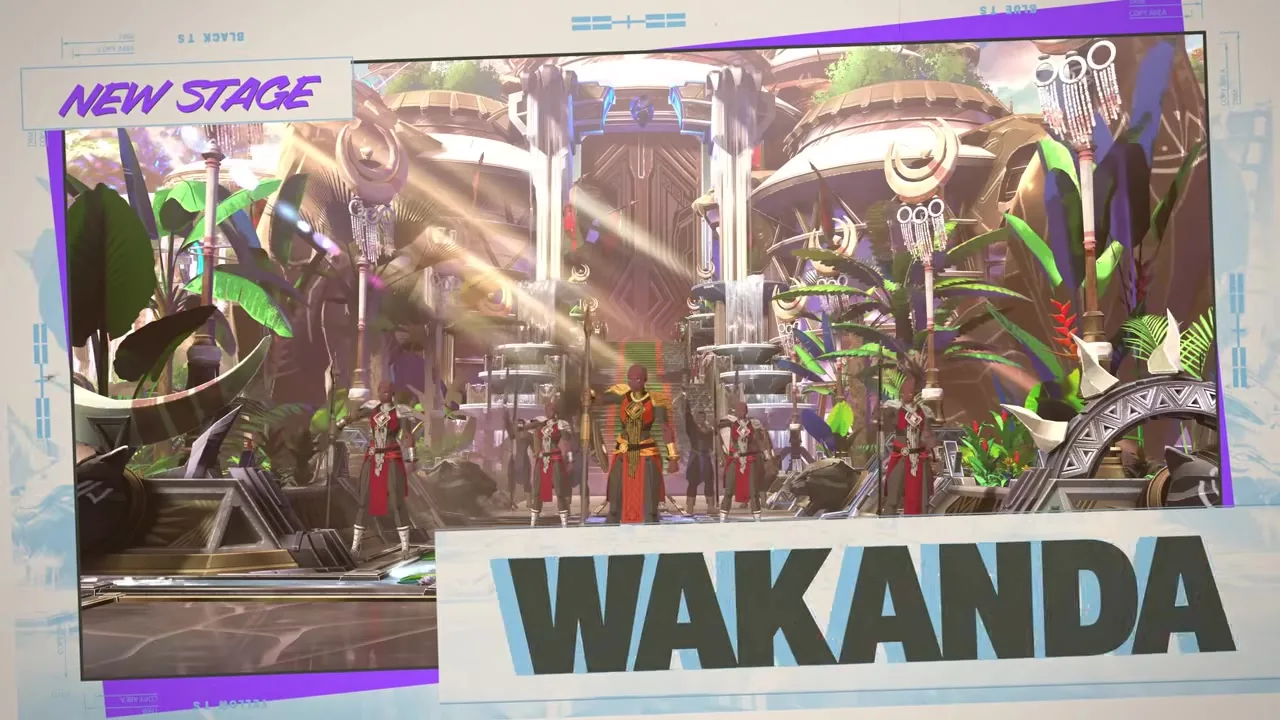
While the casual FGC hopes for sweeping matchmaking tweaks in future patches, the hardcore theory-crafters have their eyes firmly set on the horizon. We know for an absolute fact that the official Year 1 DLC roadmap includes four additional characters and one new playable stage. What we do not know, however, is who will actually fill those highly coveted roster slots. Arc System Works and Sony have been incredibly tight-lipped regarding the post-launch plans, repeatedly urging fans to wait patiently for official trailer announcements.
Naturally, the fighting game community has taken it upon themselves to relentlessly dig for clues, which has led to a massive wave of completely unconfirmed DLC rumors flooding social media. The latest piece of chatter stems from a community-reported leak regarding international voice acting sessions. According to heavily discussed Reddit posts, the Brazilian voice dub actor for Wolverine allegedly mentioned recording specific character interactions that reference Cyclops and Jubilee, alongside already confirmed launch characters like Captain America.
It is completely imperative to explicitly state that this information is reportedly from a localized interview and is not yet confirmed by any official source whatsoever. Fans should absolutely not take any DLC leaks or datamines as undeniable fact. The video game industry is notorious for leaving scrapped voice lines in game files, recording decoy dialogue to throw off leakers, and suffering from interview mistranslations. Do not buy into the hype as absolute truth until you see an official gameplay reveal trailer from Arc System Works.
That being said, if we were to briefly entertain the community theory, the addition of characters like Jubilee and Cyclops would be undeniably fascinating from a purely mechanical standpoint. Cyclops would immediately slot into the meta as a premier zoner, likely utilizing his optic blasts to completely dominate the horizontal plane while burning his Skill Gauge for massive, screen-clearing chip damage. Jubilee, on the other hand, could easily function as a setup-heavy trap character. Her iconic plasma fireworks could act as delayed hitboxes, lingering dangerously on the screen to lock down opponents and create terrifying high/low scenarios. Imagine the offensive synergy of calling a Jubilee assist via the Assemble Gauge while closing the gap with Wolverine’s berserker rushdown. Again, this is pure community speculation, but it effectively highlights exactly why the player base is so hungry for any scrap of DLC news.
Single-Player Relief: Episode Mode and The Cosmic Threat
For players who are currently feeling heavily burnt out by the relentless online ranked grind, the game’s robust single-player offerings remain a fantastic and necessary refuge. The dedicated Episode Mode is a genuinely compelling piece of narrative content that fully leverages the game’s gorgeous, vibrant anime visual style. The overarching story centers entirely around the cosmic machinations of the Champion of the Universe, who serves as the ultimate, overpowered boss encounter.
Facing off against the Champion of the Universe requires a completely different fundamental skillset than fighting a human opponent online. It becomes less about reading intricate mixups and more about strict pattern recognition and surviving massive, screen-filling hazard attacks. The narrative campaign also heavily features the Knights of Doom serving as the primary antagonistic faction throughout the episodic chapters. It is a fantastic, stress-free environment to familiarize yourself with the movement speeds, attack ranges, and basic BnB combos of the entire launch roster without the anxiety of another human player taunting you from across the globe.
Looking Ahead: Balancing Two Worlds
As MARVEL Tōkon: Fighting Souls moves deeper into its first year, Arc System Works finds itself walking an incredibly delicate tightrope. On one side of the equation, they have cultivated a phenomenally deep, engaging, and hype-inducing competitive scene. The grassroots tournaments are drawing passionate viewers, the high-level meta is constantly evolving, and the daring 4v4 mechanics are proving to be a genuine stroke of genius for competitive play. On the other side of the aisle, they have a massive casual audience that is eager to engage with the Marvel IP but feels alienated by the steep FGC learning curve and punishing online matchmaking system.
The upcoming few months will be absolutely critical for the game’s longevity. If the developers can successfully refine the matchmaking experience to protect newer players while simultaneously delivering exciting, officially confirmed news regarding the Year 1 DLC pass, the game will easily secure its legacy as a modern fighting game staple. Until then, whether you are relentlessly grinding out optimized tech in the training lab or diving deep into the lore of the Episode Mode, the fight continues. Just remember the core rules of Tōkon: always guard low, constantly watch out for those tricky assist calls, and make sure to manage your gauges wisely.