Marvel Tōkon Secures EVO Singapore 2027 Main Stage Slot as Magik Tech Breaks the Meta
Arc System Works' 4v4 fighter locks in its EVO 2027 future while the FGC uncovers an 86% damage Magik combo and expands grassroots tournament support.
The Metagame Matures
It’s been just over a month since Marvel Tōkon: Fighting Souls smashed its way onto the PS5 and PC storefronts on August 6, 2026. The initial dust has settled from Arc System Works’ highly ambitious 4v4 tag team brawler, and the community is currently entrenched in the most fascinating phase of any modern fighting game: the wild west of early meta development. While casual players are finally wrapping up their gruelling single-player runs against the towering Champion of the Universe in Episode Mode to unlock the final pieces of gallery art, the competitive scene is already looking miles ahead. Between massive esports announcements validating the game’s lifespan, grassroots tournament circuits putting the netcode to the test, and absolute lab monsters discovering touch-of-death-adjacent sequences, the ecosystem is undeniably thriving. Today, we are breaking down the monumental EVO Singapore 2027 announcement, analyzing a terrifying new piece of combo tech that is shredding shared lifebars, and examining an unexpected influx of new players crossing over from other Sony Marvel titles.
The FGC Honors Are In: EVO Singapore 2027 Awaits
The global fighting game community received a massive jolt of adrenaline yesterday when the official lineup for EVO Singapore 2027 was unveiled. Standing proudly alongside legacy heavyweights like Street Fighter 6 and Guilty Gear Strive is none other than Marvel Tōkon: Fighting Souls. Securing a main stage slot at a premier EVO franchise event mere weeks after launch is an undeniable statement of confidence from the organizers, and a profound testament to the game’s immediate mechanical depth and spectator appeal.
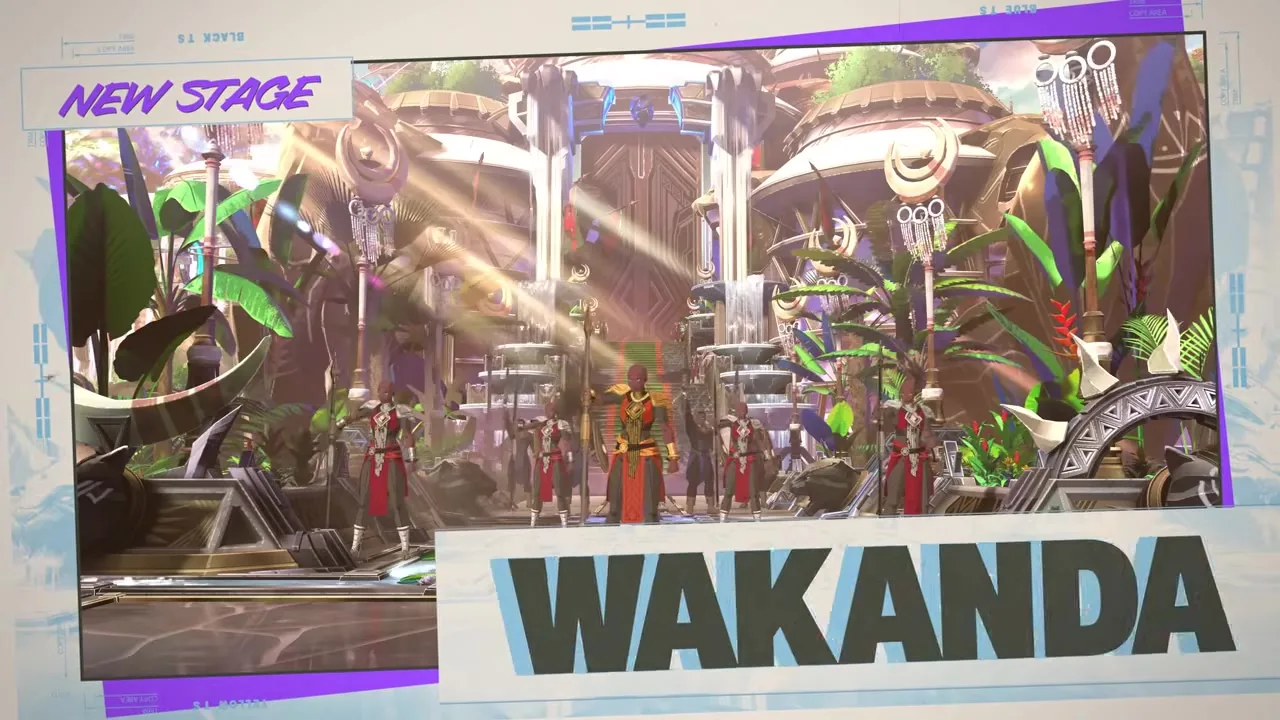
Interestingly, the announcement confirmed that while some established 3D fighters are being relegated to Last Chance Qualifier status for the Singapore stop, Arc System Works’ latest tag fighter will command the main spotlight. For the competitive base, this is the ultimate green light. It completely validates the thousands of hours already being poured into training mode by hopeful pros. With a confirmed Year 1 DLC roadmap promising four brand-new characters and one new stage on the horizon, players can rest easy knowing their investment in mastering the game’s intricate mechanics won’t be a flash in the pan. We can confidently expect the upcoming DLC drops to heavily influence the competitive tiers right as players begin booking their flights to Southeast Asia.
Grassroots Power: Keeping the Community Engaged
While massive offline majors are the crown jewels of the competitive circuit, the true beating heart of the Marvel Tōkon community currently resides in the grassroots online and local events. This week alone, the scene saw the announcement and execution of the “Jungle of Infinity” tournament. Hosted by the Chimpcinnati Science Team, this free-entry online bracket for North American players boasts a modest but highly respectable $50 prize pool, proving that independent organizers are eager to put money on the line to foster high-level play. Simultaneously, local offline gatherings like the LAG Fight Club in Champaign, Illinois, have permanently added the game to their main Sunday rotation.
What makes these events so captivating to watch is observing how players are pushing the boundaries of the Assemble Gauge in real tournament pressure. In the first few weeks, competitors treated their Assemble Gauge strictly as a simple combo extender or a panic button to tag out a character taking heavy chip damage from Knights of Doom zoning strategies. Now, we are seeing organizers and players utilizing the gauge for suffocating okizeme setups, layered 50/50 mixups, and raw neutral control. The implementation of rollback netcode combined with PC and PS5 crossplay is the true MVP here, allowing a bracket of 64 players to run smoothly across the continent without the catastrophic underwater lag that plagued older generations of tag fighters.
Magik Tech Breaks the Physics Engine
If you have been queuing up for ranked matches lately, you have likely run into the terrifying reign of the Unbreakable X-Men squad. While Storm’s oppressive screen control is well documented across the community, it is Magik who is currently giving players night terrors. Over the past 24 hours, tech monsters on the game’s subreddit have showcased a horrifying new sequence: the 86% damage Darkchylde double portal combo. Yes, you read that correctly. A single stray touch from her in the corner can now theoretically delete 86 percent of your entire team’s shared Vital Gauge.
The sequence is an absolute masterclass in exploiting Arc System Works’ generous juggle states and wall-bounce mechanics. The combo begins with a standard low confirm, converting smoothly into her primary launcher. However, instead of taking the easy air combo route, the attacking player utilizes a precisely timed Assemble call to pin the opponent in blockstun just long enough to drop two spatial portals on the screen. By bouncing the opponent infinitely between these portals in a tight loop, Magik builds enough meter to pop her Darkchylde install safely. From there, she immediately cashes out by spending three full bars of the Skill Gauge—remember, the supers rely strictly on the Skill Gauge, completely separate from your tag economy—to deliver a cinematic super that essentially leaves the opponent on immediate life support.
Surviving the Portal Loops
Dealing with this kind of heavily optimized damage is completely altering how the game is played at the highest ranks. Because Marvel Tōkon: Fighting Souls utilizes a shared Vital Gauge for all four characters on a team, you don’t just lose your point character if you get caught in this blender; your entire team is essentially neutralized and pushed to the brink of death. This brutal reality forces defending players to adopt a hyper-conservative approach in neutral when fighting against her. You simply cannot afford to throw out careless pokes when the penalty is losing nearly the entire match off a single confirm.
Players are having to deeply understand how the tag system works from a purely defensive standpoint. Utilizing an Alpha Counter or spending your Assemble Gauge to force a hard tag during the incredibly tight blockable gaps of her setup is no longer optional—it is a strict survival requirement. The community is heavily debating right now whether this double portal interaction is an unintended physics quirk of the engine that will be patched out soon, or if Arc System Works intentionally designed her to be the ultimate high-execution glass cannon. Until a balance patch drops, you better keep your finger hovering over your defensive options when she steps onto the screen.
The Wolverine Pipeline: From Single-Player to the Lab
In a fascinating twist of community cross-pollination, the Marvel Tōkon player base is currently seeing an influx of fresh blood from a rather unexpected source. Recently, Arc System Works posted a message congratulating Insomniac Games on the launch of their highly anticipated standalone Marvel action game. While the camaraderie between PlayStation-affiliated studios is standard industry practice, it inadvertently sparked a viral movement among gamers online.
A vocal contingent of players felt that the standalone single-player Wolverine experience was a bit too heavily guided and cinematic, lacking the raw, punishing difficulty they craved from a traditional action title. In response, fighting game veterans have been directly linking these disenfranchised action fans straight to the FGC lab. They are pointing them to the Unbreakable X-Men’s iteration of Wolverine, promising a brutally honest combat loop where the game flat-out refuses to hold your hand.
In Tōkon, there is no sugarcoating a missed input, no cinematic slow-motion to save you, and no guaranteed success. It’s just you, your opponent, and the brutal reality of neutral. Logan’s rushdown mechanics in this fast-paced 4v4 environment require surgical precision, frame-perfect links, and a deep understanding of strike/throw mixups to open up a blocking opponent. This unique “hardcore pipeline” is introducing an entirely new demographic of gamers to the FGC, drawn by the promise of earned mastery rather than scripted spectacle.
Evolving the 4v4 Ecosystem
As we push deeper into the second month of the game’s lifespan, the sheer volume of daily discovery remains staggering. Whether you are assembling a thematic squad out of the Amazing Guardians, trying to execute optimal corner carry routes with the Samurai Outriders, or just figuring out how to survive the relentless onslaught of the Fighting Avengers, the sandbox is wide open and begging to be explored.
For newcomers jumping in after watching a Jungle of Infinity stream or crossing over from another genre, the learning curve can absolutely feel like fighting the Champion of the Universe on maximum difficulty. But the community resources are there, and the veterans are willing to teach. We highly recommend spending dedicated time in the lab specifically testing different assists to see how they can cover your main character’s glaring weaknesses. The meta is being written in real-time, and with major global tournaments like EVO Singapore looming in 2027, the tech we are witnessing today is only the foundation of what this game will become.