Marvel Tōkon: Fighting Souls Review Roundup – An Anime-Style Masterpiece with Redeemed PC Performance
Marvel Tōkon: Fighting Souls sits at a strong 85 OpenCritic score, praised for its deep 4v4 tag mechanics and stunning anime visuals, as a massive 10GB patch finally resolves PC stuttering.
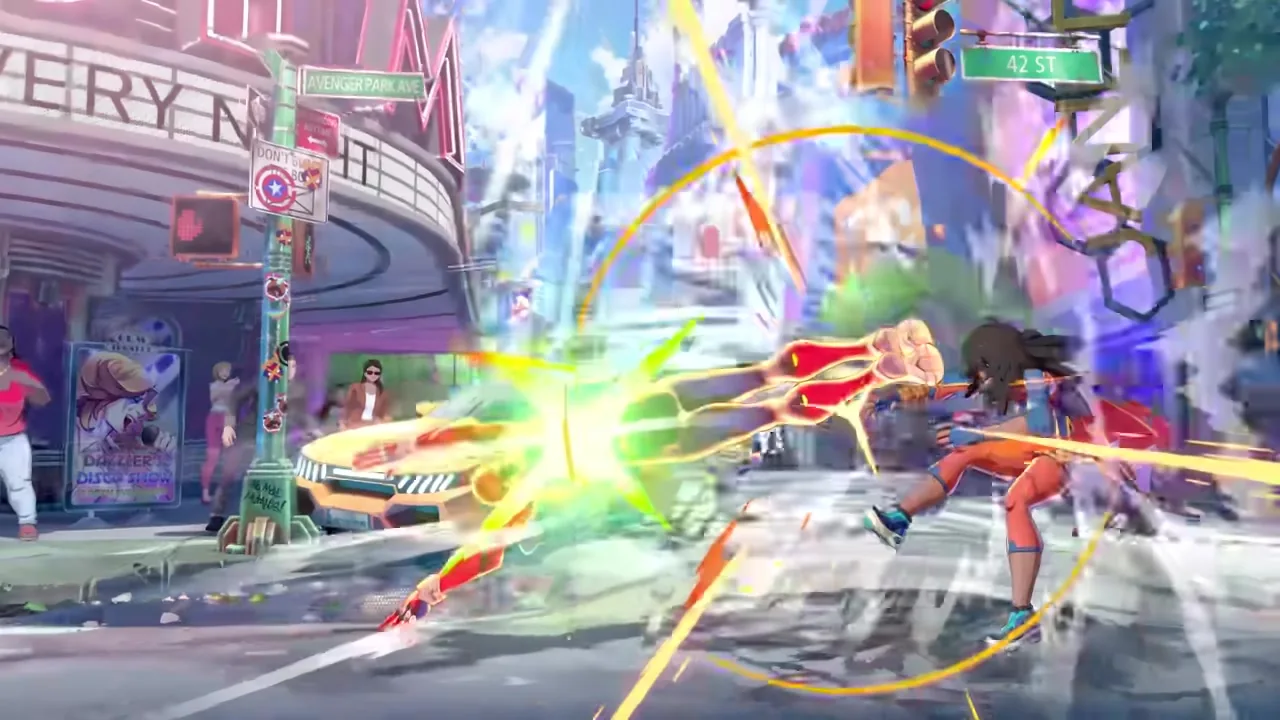
It has been nearly a week since MARVEL Tōkon: Fighting Souls officially hit the streets on PlayStation 5 and PC, and the dust is finally starting to settle. The hype leading up to Evo 2026 and the massive open beta in July set astronomical expectations for Arc System Works and publisher Sony Interactive Entertainment. Fighting game fans wanted to know if this ambitious crossover could truly capture the kinetic energy of Marvel’s most iconic teams while delivering a tournament-grade competitive experience.
With the review embargo completely lifted and the OpenCritic aggregator resting at a highly respectable 85 average (alongside a 92% critic recommendation rate), the verdict is loud and clear. Arc System Works didn’t just deliver a solid fighting game; they crafted a hyper-polished, visually stunning brawler that respects its competitive roots. But it hasn’t been entirely smooth sailing, especially for the PC crowd who spent the weekend fighting stutters rather than opponents. Let’s break down what the critics are saying, how the FGC is deconstructing the meta, and why the latest 10GB Steam patch is the real MVP of launch week.
The Critical Consensus: An Anime-Style Masterpiece
Reviewers across the board are showering praise on the game’s bold visual presentation and the fundamental combat loop. The Guardian reviewed the title favorably, describing it as a gorgeous “anime-style rumble.” They specifically highlighted how the accessible controls help bridge the gap for newcomers who might be intimidated by traditional motion inputs, without dumbing down the core competitive elements that veterans crave. It’s a delicate tightrope to walk, but Arc System Works has spent the last decade mastering this specific approach.
Italian outlet 4News.it went even further, calling MARVEL Tōkon: Fighting Souls an absolute masterpiece of the fighting game genre that perfectly embodies the developer’s modern vision. They praised the layered, multifaceted combat system that rewards precise execution and strategic resource management in equal measure. Over at Tom’s Guide, one seasoned reviewer stated that after 35 years of playing fighting games, this title is already cementing itself as one of their all-time favorites. That is massive praise, especially in a generation currently stacked with phenomenal fighting game options. The consensus is clear: the game feels incredible in the hands, whether you are mashing auto-combos on day one or labbing out frame-perfect links in training mode.
Deconstructing the 4v4 Tag Mechanics
From a purely competitive standpoint, the 4v4 tag system is what sets this game apart from the pack. We are dealing with massive team compositions—20 characters split across 5 predefined squads like the Unbreakable X-Men, Amazing Guardians, and Samurai Outriders. Critics originally noted that juggling four distinct characters on screen could have resulted in a mental stack nightmare, but the unified resource bars dramatically streamline the decision-making process.
The shared Vital Gauge has been a massive point of discussion in the FGC. Because your entire team shares one single health pool, the traditional meta of snapping in a low-health character or relying on an anchor to pull off a desperate 1v3 comeback is completely gone. Every single touch matters. If Wolverine gets caught by an overhead on wakeup and eats a full optimal combo, the whole team suffers the damage. To survive the blender, you have to master the Assemble Gauge, which governs your assists, active switches, and combo breakers. Managing this gauge is the difference between keeping your turn in neutral and getting washed in the corner.
Meanwhile, your offensive firepower is tied strictly to the Skill Gauge. Arc System Works made sure the Skill Gauge is your primary resource for EX specials and devastating super moves, strictly separating it from your assist economy. By keeping the Assemble Gauge and Skill Gauge completely separate, players never have to painfully choose between basic defensive utility and closing out a round with massive damage.
Adapting to Defense and the Assist Meta
As players move past the honeymoon phase and into the lab, the competitive meta is rapidly evolving. Community guides are already surfacing across Reddit and Discord on how to crack the game’s formidable defensive options. Because you can’t just throw out random blockstrings and expect to win, players are learning to stagger their pressure. For example, relying on a predictable sequence will get you blown up by an experienced opponent who knows exactly when to fuzzy block the mixup. Advanced players are advocating for cutting strings short and going straight from a Light attack into a reactable overhead to catch crouch-blockers off guard. Characters like Magik, who lack built-in grounded overheads, have to rely on their unique spacing and disjointed hitboxes to reset pressure rather than traditional high-low mixups.
Furthermore, understanding the assist ecosystem is proving to be the real skill gap early on. The community has categorized the assists into three main archetypes: Shooters, Verticals, and Assaults. Shooter assists (like Iron Man’s repulsor blasts) provide multi-hitting, full-screen coverage that is perfect for locking down an opponent and enabling safe approaches. Vertical assists act as fantastic anti-airs and combo extenders for characters with weak launcher attacks. Assault assists pull the opponent in, creating devastating high-low mixups in the corner thanks to extended block stun. Mastering when to burn your Assemble Gauge for a Shooter assist versus saving it for a crucial active tag is what separates casuals from tournament grinders.
The Single-Player Experience: Episode Mode
Fighting games are historically notorious for having lackluster single-player content, but MARVEL Tōkon: Fighting Souls has bucked the trend enough to satisfy reviewers. According to Press-Start, the solo Episode Mode offers a surprisingly engaging, albeit straightforward, storyline. The narrative centers around the Champion of the Universe, a hulking antagonist who is traveling across the cosmos and destroying worlds that fail to produce a worthy challenger. It’s a classic arcade-ladder motivation, but the execution and fully voiced cutscenes elevate the experience entirely.
Adding to the stakes are the Knights of Doom—Doctor Doom, Magneto, Green Goblin, and Carnage—who serve as the primary villainous faction you will clash with throughout the campaign. Reviewers highlighted that fighting against this squad in Episode Mode feels like a genuine boss gauntlet. Doctor Doom’s screen-filling zoning is oppressive even when controlled by the CPU, and Carnage’s relentless rushdown will aggressively check your defense. It is a fantastic way for players to get a grip on the chaotic 4v4 pacing before jumping into the shark tank of online ranked matches.
The 10GB PC Patch: Saving the Steam Port
We cannot talk about launch week without addressing the massive elephant in the room. If you followed our coverage of the initial PC launch fallout, you know that Steam players were having a miserable time. While the PS5 version ran at a flawless 60fps right out of the gate, the PC port was plagued by bizarre stuttering, input delay variations, and massive CPU spikes that made online play virtually unplayable. Many reviewers explicitly noted that they couldn’t penalize the core game design for these optimization hurdles, but the frustration in the community was palpable.
Thankfully, Arc System Works moved incredibly fast. As reported by Tech Times, engineers traced the crippling PC stutters back to a highly unusual bug where the game loop was constantly polling for audio device checks mid-match. Every time the game checked the system for a headset or speaker change, it completely choked the CPU. Yesterday, a massive 10GB patch was deployed across Steam and the Epic Games Store specifically targeting this CPU load issue.
The results, according to GamesReviews, have been immediate and overwhelmingly positive. Steam reviews have started to rebound from their initial “Mixed” status as players report buttery smooth framerates even on mid-range hardware. This is absolutely critical for the FGC. Rollback netcode is only as good as the hardware running it; if one player is dropping frames offline, the rollback implementation has to work overtime to correct the desync, resulting in teleports and swallowed inputs. With the audio polling bug finally squashed, PC players can experience the pristine netcode that console players have been enjoying since day one.
Looking Ahead: The Tournament Meta and Year 1 DLC
Now that the game is mechanically stable across all platforms, the lab monsters are tearing the roster apart to find the most optimal tech. The Samurai Outriders are seeing heavy usage in online lobbies, with Ghost Rider’s space control and Deadpool’s wacky cross-ups dominating early brackets. The Amazing Guardians are also offering some of the most frustrating zoning setups thanks to Peni Parker’s drone placements.
We also know that Arc System Works has confirmed a Year 1 DLC roadmap that includes 4 new characters and 1 new stage. While data-miners claim to have found files hinting at the upcoming roster additions, we strongly advise the community to ignore these rumors. The developers have kept the DLC identities tightly under wraps, and early datamines often pull leftover code from scrapped prototypes.
MARVEL Tōkon: Fighting Souls had a slightly rocky PC launch, but underneath the technical hiccups lies a fighting game that is mechanically rich, visually breathtaking, and bursting with reverence for both the Marvel IP and the FGC. With the stutters fixed and the competitive scene already grinding, the Champion of the Universe has officially met his match. See you in the arena.