Marvel Tōkon PC Launch Fallout: 25K Steam Peak, Mixed Reviews, ASW Response, and Champion Unlock Rumors
Arc System Works responds as Marvel Tōkon hits Mixed Steam reviews despite a 25K player peak. Plus, a crucial PC frame pacing fix and secret boss unlock rumors.
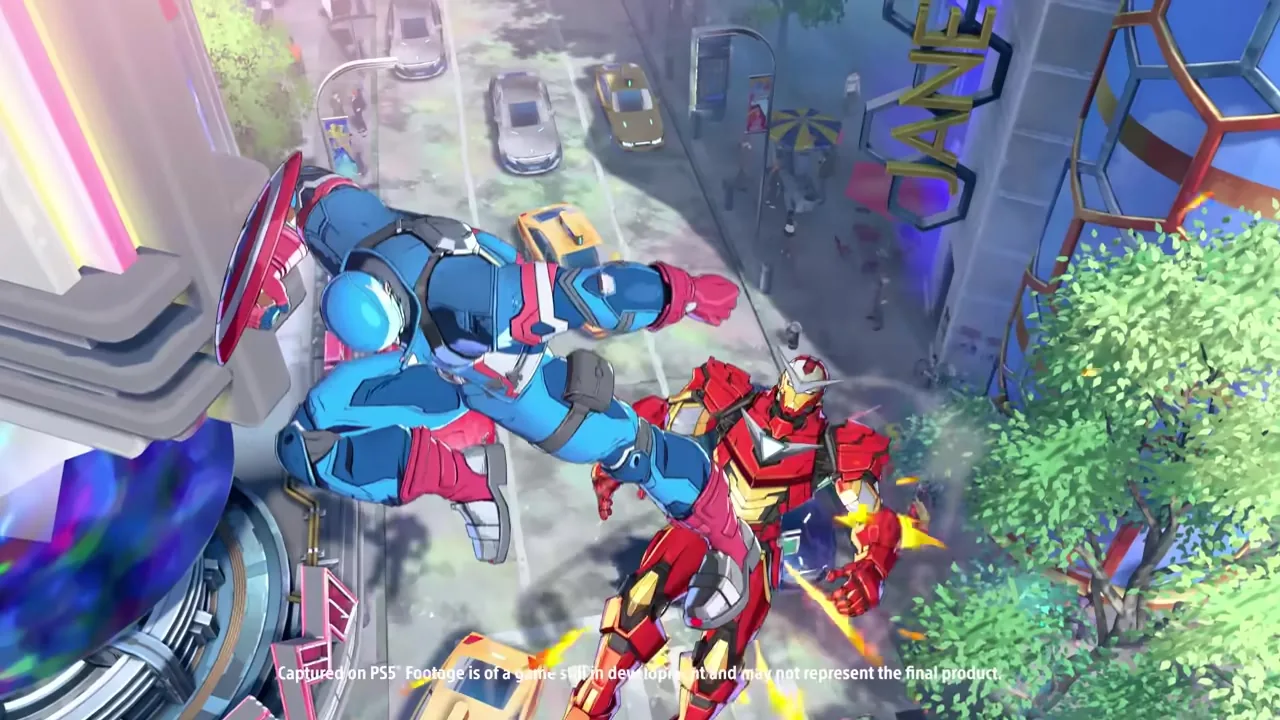
We made it. August 6, 2026, finally arrived, and MARVEL Tōkon: Fighting Souls is out in the wild. Arc System Works, in collaboration with PlayStation Studios and Marvel Games, has delivered what is arguably the most visually striking 4v4 tag team fighter we’ve seen in years. The Evo 2026 reveals paid off, the 20-character launch roster is locked, and the fighting game community is currently deep in the lab discovering broken synergy. But while the PlayStation 5 ecosystem seems to be thriving with incredibly smooth matches, the PC launch on Steam has been a bit of a rollercoaster.
Despite boasting an incredibly healthy player count out of the gate, the Steam reviews are telling a completely different story, currently plagued by complaints about performance issues and stuttering. Today, we’re breaking down the fallout of the PC launch, the official response from Arc System Works, a miraculous community fix for frame pacing, and addressing those wild rumors about unlocking the game’s final boss.
The PC Launch Reality: 25K Peak vs. “Mixed” Reviews
Nobody can deny the hype surrounding this title. According to recent tracker data reported by TwistedVoxel, MARVEL Tōkon: Fighting Souls peaked at roughly 25,000 concurrent players on Steam within its first 48 hours. For a traditional 2D anime fighter, those are monumental numbers, rivaling some of the biggest heavyweights in the genre. Players are clearly eager to throw down with the Amazing Guardians or the Samurai Outriders.
However, if you look at the Steam store page right now, you’re greeted with a stark reality: the reviews sit at a painful 44% “Mixed,” with MSN and other outlets reporting the negative review ratio spiking as high as 60% during the initial hours of launch.
What exactly went wrong? It’s certainly not the gameplay. When the game runs smoothly, the 4v4 mechanics are pristine. The issue lies entirely in the PC port optimization. Players are citing severe shader compilation stutters, awful frame pacing, and random hitches during intense, screen-filling super moves. It’s a tale as old as time for modern fighting game ports. You boot up the game on Steam, ready to grind ranked on day one, only to realize that every time a new particle effect loads, your game freezes for a fraction of a second. When you’re dealing with characters like Storm throwing giant tornadoes across the screen, or Magik utilizing complex visual portals, those micro-stutters are a death sentence.
In a competitive 4v4 tag game, dropping a frame means dropping your turn, and nobody wants to lose a match because the game decided to stutter right as they initiated a clutch parry. Easy Anti-Cheat (EAC) has also been pointed to by the community as a potential culprit for the performance overhead, further frustrating the PC base.
Arc System Works has officially responded to the backlash. In a recent statement highlighted by IGN Nordic, the developers acknowledged the “miserable” state of the PC port for certain hardware configurations and promised that optimization patches are their absolute top priority. While it’s reassuring that ASW is on the case, early adopters on Steam are understandably annoyed that they have to act as beta testers for the technical backend. If you’re looking for a flawless competitive experience right this second, the PS5 version remains the tournament standard.
The Community Frame Pacing Fix (and Bad News for Steam Deck)
Fighting game players are nothing if not resourceful. While we wait for Arc System Works to deploy official performance patches, the PC community has already rallied to find reliable workarounds. Over on the Marvel Tōkon Reddit, a user discovered that the game’s native frame rate limiter is fundamentally flawed, causing consistent frame timing spikes roughly every 30 frames. This is what makes the game feel “choppy” or sluggish even when your Steam overlay counter says you’re hitting a solid 60 FPS.
The fix? You need to bypass the game’s internal limiter entirely. PC players are finding massive success by using RivaTuner Statistics Server (RTSS) to enforce a strict, manual 60 FPS cap. Additionally, enabling Ultra Low Latency mode in the Nvidia Control Panel (while making sure to keep the in-game V-sync disabled) appears to completely eliminate those nasty 30-frame dips. It’s a bit of a hassle to set up third-party software just to get a fighting game to run properly, but if it saves your execution during a tight ranked match, it’s absolutely worth the effort.
Unfortunately, if you were hoping to lab your combos on the go, we have some bad news. Multiple sources have confirmed that the game is currently not compatible with the Steam Deck. Whether it’s the anti-cheat implementation blocking the Linux wrapper or sheer hardware strain, Valve’s handheld just can’t run it right now. You’ll have to stay at your desk to practice for now.
The Rumor Mill: Can You Unlock Champion of the Universe?
Let’s pivot away from technical woes and talk about the actual game content. The single-player Episode Mode has been a massive hit, centering around the cosmic elder known as the Champion of the Universe and the villainous Knights of Doom (featuring the heavy-hitting lineup of Doctor Doom, Magneto, Green Goblin, and Carnage). The boss fight against the Champion is legitimately terrifying, featuring screen-clearing cinematic attacks and absurd armor properties that completely ignore standard frame data.
But over the last 24 hours, a rumor has been spreading like wildfire across gaming news aggregates like Vandal, claiming that there is a secret method to unlock the Champion of the Universe as a fully playable character.
Let’s set the record straight right now: this is community-reported speculation and is almost certainly false. Arc System Works has been extremely transparent about the roster since the Evo 2026 reveals. The launch lineup is strictly 20 characters divided across 5 specific squads. Furthermore, the Year 1 DLC roadmap has already been locked in for 4 additional characters and 1 stage (the names remain unannounced, so don’t believe any fake DLC leaks floating around either). There is no official “secret 21st character.”
Why are these rumors so persistent? It likely stems from how robust and challenging the Episode Mode is. Fighting against the Champion of the Universe feels like a classic, unapologetic SNK boss battle—he reads your inputs, he has super armor on his heavy attacks, and his damage output is absurd. Naturally, players want to harness that power for themselves. Some clickbait guides have started circulating, claiming you can unlock him by achieving S-ranks in all chapters or finishing the mode without losing your shared Vital Gauge. We’ve tested these methods, and they yield nothing but bragging rights.
In fighting games, boss characters are often given busted, non-standard toolkits specifically because they aren’t meant to be balanced for competitive 4v4 tag play. Unless Arc System Works pulls the most surprising shadow-drop in fighting game history, the Champion remains strictly an NPC boss. If you’re struggling to beat him, we highly recommend checking out our dedicated Champion of the Universe boss breakdown instead of chasing fake unlock conditions.
Leveling Up: Dropping the Mash Habit on Leverless
With 25,000 players jumping in on Steam alone, we are seeing a massive influx of newcomers to the FGC. A common thread popping up on Reddit involves players transitioning to leverless controllers (like the Hitbox or Kitsune) and struggling heavily with the urge to “button mash” during their combos.
MARVEL Tōkon: Fighting Souls is an incredibly fast game, but it strictly enforces deliberate execution. Mashing the attack button during a quarter-circle input often leads to dropped links or entirely wrong moves coming out. Players running through the combo trials with characters like Spider-Man, Carnage, Green Goblin, and Doctor Doom are finding out the hard way that the engine doesn’t reward panic. For instance, Spider-Man’s web-swing loops require distinct, timed presses rather than frantic mashing. If you input a quarter-circle forward and mash light punch three times hoping it comes out, the engine might read the subsequent presses as a separate command, completely ruining your wall carry.
The key is to treat the combo system like a rhythm game. You shouldn’t be churning butter; you should be tapping a steady beat. If you are struggling, go into training mode, turn on your virtual controller display, and watch your inputs. If you see a mess of overlapping commands, take a breath. The buffer window in Fighting Souls is generous enough that you don’t need to be superhuman—you just need to be precise. You can always refer to our combo basics to make sure you understand how the engine reads your inputs.
This is especially critical when managing the game’s unique resources. Remember, your entire 4-character squad shares a single Vital Gauge. If you panic and mash an unsafe reversal, your whole team pays the price and you might lose the entire round off one bad read. You need to keep a cool head to properly utilize your Assemble Gauge for assists and safe tags. And when it comes to your super meter, remember that it’s called the Skill Gauge—we’ve seen far too many newcomers calling it the “Soul Gauge,” but there are no souls to harvest here, just raw fighting skill. Check out our beginners guide if you need a refresher on these foundational mechanics. Clean inputs, proper resource management, and patience will take you much further than frantic button mashing.
Closing Thoughts
The launch of MARVEL Tōkon: Fighting Souls has been a double-edged sword. The core gameplay is phenomenal, delivering exactly the kind of high-octane 4v4 action that anime fighter fans crave. Whether you’re running the Unbreakable X-Men or the Fighting Avengers, the depth of the roster is astounding, and the tag mechanics offer near-limitless synergy.
However, the PC performance issues are a genuine black eye on an otherwise stellar release. We are crossing our fingers that Arc System Works deploys a meaningful optimization patch before the first major offline tournaments kick off. Until then, implement the RivaTuner frame pacing fix, stay off the Steam Deck, and hit the lab. The meta is wide open, and we’ve got a lot of tech left to discover.