MARVEL Tōkon: Fighting Souls Day 1 Patch: Arc System Works Promises PC Fixes and Beta-Driven Changes
Arc System Works vows to fix PC performance issues and implement launch day gameplay changes based on open beta feedback for MARVEL Tōkon: Fighting Souls.
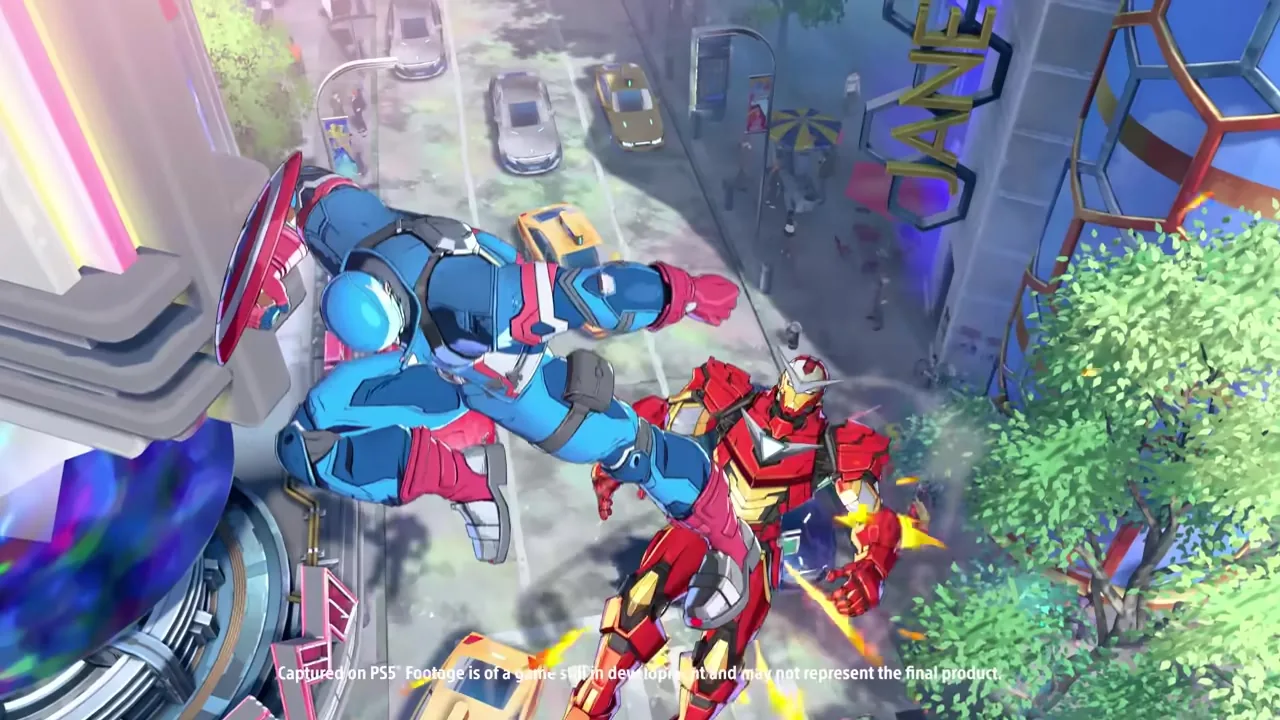
The highly anticipated open beta for MARVEL Tōkon: Fighting Souls recently concluded, giving players around the world their first unrestricted hands-on experience with Arc System Works’ ambitious 4v4 tag team fighting game. With the official launch locked for August 6, 2026, on PlayStation 5 and PC via Steam and the Epic Games Store, the fighting game community (FGC) has been dissecting every single frame of gameplay. However, while the reception to the core mechanics and striking anime visual style has been overwhelmingly positive, the beta phase was not without its technical hiccups—particularly on the PC side.
Fortunately, Arc System Works has proven that they are actively listening to the player base. In a recent statement that has sent ripples of relief through the community, the developers explicitly addressed the PC performance issues, stating boldly, “To our PC players, message received.” Alongside these crucial technical fixes, multiple reports have confirmed that the development team is also preparing a slew of gameplay balance adjustments based directly on beta feedback. As we rapidly approach the finalized release date and platforms launch window, let us dive into what these day-one patches entail, how they might impact the current meta, and why players should temper their expectations regarding unconfirmed post-launch rumors.
”Message Received”: Arc System Works Vows to Fix PC Performance
Fighting games require absolute precision. In a fast-paced anime-style fighter where matches are decided in fractions of a second, a stable 60 frames per second (FPS) is not just a luxury; it is a fundamental competitive requirement. During the July 24-26 open beta, many PC players reported frustrating SDK errors, shader compilation stuttering, and noticeable frame drops. These performance hits were particularly severe when the chaotic on-screen action peaked—such as when multiple characters were summoned simultaneously or when massive cinematic supers were activated.
Arc System Works’ prompt response to these concerns is a massive win for the community. By publicly acknowledging the problems and vowing to deploy optimization fixes for launch day, the developers are actively protecting the competitive integrity of the title. The studio noted that discovering these exact issues is the primary reason they run open betas in the first place, emphasizing that the stress test served its exact purpose.
For PC players on Steam and the Epic Games Store, this commitment means you can expect a much smoother experience on August 6. In a game built from the ground up on modern rollback netcode, client-side performance is deeply intertwined with online stability. If your local machine drops frames, it can cause artificial rollbacks and visual stuttering for your opponent, ruining the online experience for both parties. Ensuring that the PC player base has a rock-solid, optimized client is step one in making MARVEL Tōkon: Fighting Souls a stable staple in the upcoming Arc World Tour tournament circuit.
The Defensive Meta: Navigating the Shared Vital Gauge
One of the most defining and polarizing features of MARVEL Tōkon: Fighting Souls is the implementation of a unified team health bar, officially known as the Vital Gauge. Unlike traditional tag fighters where each character has their own individual health pool that must be depleted, the ambitious 4v4 structure here utilizes a single, shared Vital Gauge for the entire squad. This design choice dramatically alters the flow of combat and heightens the stakes of every single interaction in neutral.
During the beta, players quickly realized that getting caught in a poorly timed assist call could result in massive team-wide damage. Because the Vital Gauge is shared across all four characters, a “Happy Birthday” scenario—where both your point character and your assist character get caught in an opponent’s sweeping combo—can be completely devastating. The community feedback heavily highlighted the need for robust defensive options to mitigate this high-risk environment.
In response to this feedback, the confirmed launch day changes are expected to include subtle tweaks to defensive mechanics. Currently, leveraging the Assemble Gauge to break out of a combo or perform a defensive tag requires precise timing and significant resource commitment. If Arc System Works adjusts the frame data on defensive tags or alters the invincibility frames on certain parries, it could drastically shift the meta away from purely offensive rushdown strategies. Players will need to master defensive blocking and strict resource management to keep their shared Vital Gauge intact against the relentless onslaught of highly aggressive teams.
Day One Balance Changes: Addressing the Beta Meta
Beyond the underlying technical fixes and defensive adjustments, Arc System Works has also announced that they will be implementing specific gameplay balance changes. The intricate 4v4 tag system in this game allows for incredible player expression, but throwing 20 unique characters at the public meant that incredibly potent, bordering on game-breaking strategies were bound to be discovered immediately.
According to usage stats and community tier lists published by FGC veterans—including former Marvel vs. Capcom: Infinite champions on EventHubs—a clear top-tier meta emerged during the short testing period. Characters with oppressive screen control and prolonged lockdown assists dominated the landscape. For instance, players quickly realized that Blade and Magik were absolute terrors in the neutral game. Their ability to lock down opponents with lingering hitboxes and safely tag in their teammates made them nearly ubiquitous in high-level ranked lobbies.
While Arc System Works has not released the detailed patch notes yet, fighting game veterans have a few educated guesses on what the day-one patch will target:
- Assemble Gauge Tuning: The Assemble Gauge, which dictates how often you can call in assists or perform safe tags, might see its regeneration rate tweaked. If the gauge fills too quickly, top-tier characters can maintain nearly infinite pressure. Slowing down the recovery rate slightly would force players to be more strategic and deliberate with their calls.
- Damage Scaling on Specific Assists: When using assists to extend combos, damage scaling is applied to prevent infinite loops. We might see harsher scaling on heavily utilized lockdown assists to ensure that getting clipped by a stray projectile does not immediately result in losing half of the shared Vital Gauge.
- Skill Gauge Generation: The Skill Gauge (which is the official term for the super/EX meter) is the lifeblood of late-game comebacks and high-damage enders. Adjustments to how much Skill Gauge is built when taking damage versus dealing damage could shift the momentum and pacing of matches significantly.
By tweaking these underlying systems, the developers aim to ensure that all five distinct factions—Unbreakable X-Men, Amazing Guardians, Fighting Avengers, Knights of Doom, and Samurai Outriders—remain competitively viable on day one.
Debunking Roster and DLC Rumors
As hype reaches a boiling point ahead of launch, the community rumor mill has inevitably gone into overdrive. Over the past few days, social media platforms and forums have been flooded with purported “leaks” regarding post-launch characters. The most persistent of these is a rumor claiming that a “Phoenix Cyclops” will be the first DLC fighter added to the game.
It is crucial to set the record straight: do not believe any unconfirmed DLC rumors.
Here are the hard facts: The base roster is fully locked in at 20 characters, perfectly divided into five 4-person teams. Arc System Works has officially confirmed that a Year 1 DLC pass is in the works, which will introduce exactly 4 new characters and 1 new stage to the game. However, the identities of these four characters and the theme of the new stage have absolutely not been revealed by Sony, Marvel Games, or Arc System Works. Any names currently circulating online are purely community speculation or outright fabrications. As a strategy and news hub, we strongly advise players to wait for official announcements, which will likely arrive shortly after the game’s August 6 launch or during major FGC events later this year.
The Ultimate Showdown: Preparing for Episode Mode
While the FGC is primarily focused on the competitive multiplayer aspect and the intricacies of the 4v4 tag team battles, casual players and Marvel lore enthusiasts have plenty to look forward to in the robust single-player campaign. The dedicated Episode Mode promises a deep narrative experience that stands apart from standard arcade ladders.
In Episode Mode, players will face off against the ultimate antagonist: the cosmic elder known as the Champion of the Universe. This overarching narrative positions the nefarious Knights of Doom—featuring Doctor Doom, Magneto, Green Goblin, and Carnage—as a central villainous faction attempting to manipulate the cosmic tournament for their own gain.
The promise of a balanced, fully optimized game on day one means that whether you are grinding the ranked ladders to master the Skill Gauge mechanics, or sitting back to enjoy the cinematic Episode Mode against the Champion of the Universe, your experience will be polished. Arc System Works is renowned for their breathtaking anime-style visuals and kinetic animations; seeing these applied to the Marvel universe without the hindrance of PC stuttering is exactly what the community deserves.
Conclusion
The road to the release of MARVEL Tōkon: Fighting Souls has been a whirlwind of hype, spectacular character reveals, and a highly active beta testing phase. By actively listening to the FGC, acknowledging the PC performance flaws, and committing to day-one launch adjustments, Arc System Works and Sony Interactive Entertainment are setting a gold standard for developer communication. August 6 is just around the corner, and thanks to the invaluable data gathered during the beta, the cosmic arena is poised to host one of the most stable and balanced fighting game launches in recent memory. Stay tuned to our wiki for full frame data, optimal character synergies, and comprehensive combo guides as soon as the servers go live next week.