Marvel Tōkon Open Beta Recap: Magik Tops Usage Stats Amid Netcode Concerns
The Marvel Tōkon: Fighting Souls open beta has concluded. We analyze the character usage stats favoring Magik, gameplay feedback, and ASW's response to PC performance issues.
The Open Beta Aftermath
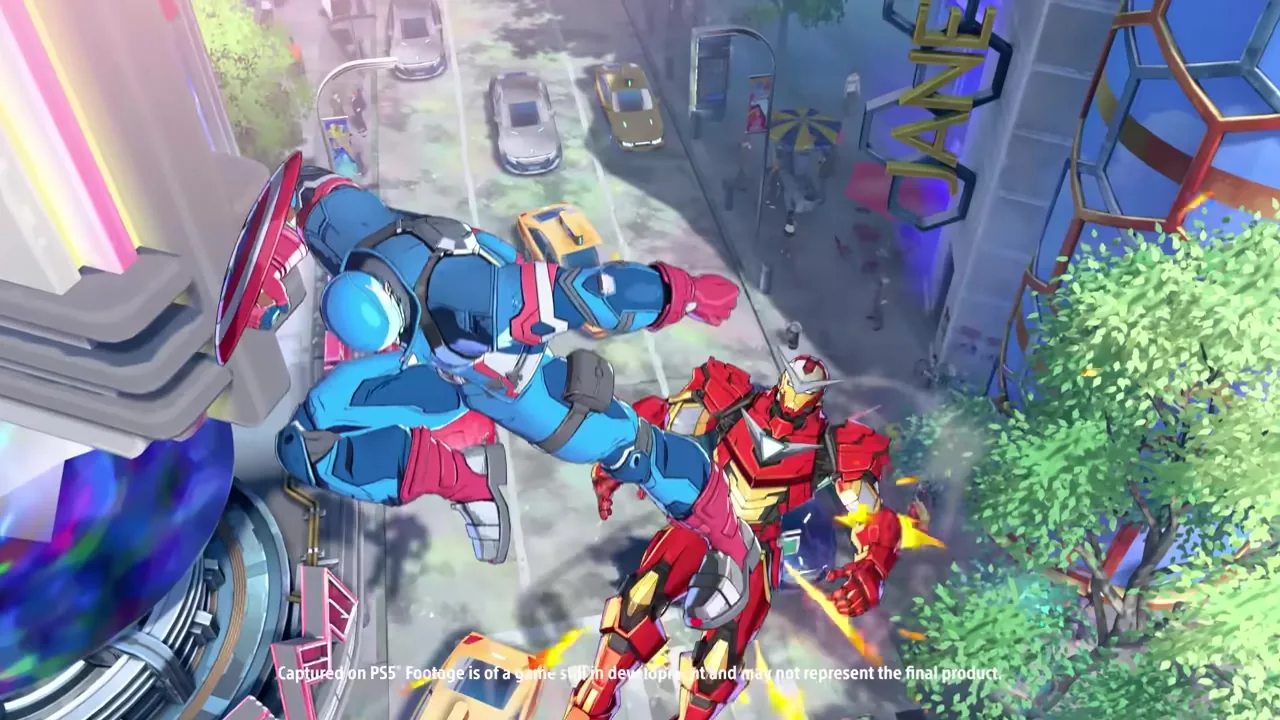
The highly anticipated open beta for MARVEL Tōkon: Fighting Souls has officially wrapped up, giving competitors across PlayStation 5 and PC their first real taste of the upcoming 4v4 tag-team brawler. Slated to drop globally on August 6, 2026, the ambitious title from Arc System Works (in collaboration with PlayStation Studios and Marvel Games) currently has the entire scene buzzing. The free test weekend, which ran from July 24 to July 26, provided massive amounts of telemetry for the developers and immediately ignited passionate debates across the global fighting game community.
While the game’s bold anime aesthetic and stacked twenty-character starting roster earned plenty of praise, the playtest also revealed some serious growing pains. From unexpected character usage data showing a dark horse running the online ranked queues, to heated community arguments over auto-combos, the shared Vital Gauge, and somewhat floaty jump arcs, there is a tremendous amount of ground to cover. On top of the gameplay feedback, Arc System Works has formally stepped up to address a tidal wave of PC performance complaints and rollback netcode concerns that heavily impacted the experience. In this detailed post-beta analysis, we look at the high-level takeaways from the weekend, analyze the community’s reaction to the core mechanics, and evaluate what needs fixing before launch day.
Magik and the Unbreakable X-Men Dominate the Meta
One of the coolest things to come out of the three-day open beta was seeing the actual character meta form in real-time. You might naturally assume that household names like Iron Man, Spider-Man, or Wolverine would easily dominate the popularity charts, but the raw data tells a much more interesting story. According to character usage statistics compiled by community stat-tracker AlietteFaye (and highlighted by outlets like EventHubs and Eurogamer), Magik emerged as the absolute breakout star of the beta.
As a key player for the Unbreakable X-Men squad, Illyana Rasputina was everywhere in the online lobbies. Her incredibly high play rate makes total sense when you look at her kit: she has terrifying mix-up potential, excellent screen control, and deceptive teleports that let her completely bypass traditional zoning strategies. Her synergy within the 4v4 tag-team framework is just stellar, especially when you use her assists to lock down opponents during high-pressure blockstrings.
Players had full access to all five confirmed factions—the Unbreakable X-Men, Amazing Guardians, Fighting Avengers, Samurai Outriders, and Knights of Doom—and while it’s fun to run a lore-accurate squad, the sweaty players quickly started building optimal, mixed-faction teams. Mid-range monsters from the Samurai Outriders like Ghost Rider and Blade saw healthy play, and the Knights of Doom were popular choices for defensive anchors. But Magik definitely stole the show, proving that ASW knows exactly how to translate wild comic book powers into top-tier fighting game mechanics that reward high execution.
The Good, The Bad, and The Floaty
Despite the hype surrounding the massive roster, the actual mechanical feel of MARVEL Tōkon: Fighting Souls has drawn a highly polarized response from fighting game veterans. The core loop revolves around managing three distinct meters: the shared Vital Gauge that dictates your entire team’s health, the Assemble Gauge for cycling assists and executing tags, and the Skill Gauge, which is strictly reserved for EX moves and cinematic supers.
While the resource management side of things feels highly strategic, the moment-to-moment combat has drawn some harsh criticism over on Reddit. A major thread on r/SaltFighter highlighted several foundational complaints, primarily that the game currently feels way too “mashy” and leans too heavily into single-button auto-combos. Players reported that simply mashing light attack can result in ridiculously long offensive sequences. For instance, a stray jab from Green Goblin can easily convert into a 25-hit combo that keeps the victim trapped in hitstun or blockstun for upwards of ten seconds. For hardcore lab monsters looking to optimize their combo basics, this reliance on automated, low-effort strings is a massive red flag, sparking fears that the game lacks the execution barrier that usually gives Arc System Works fighters their staying power.
Furthermore, critics pointed out that the characters lack a distinct sense of “weight” on the screen. Unlike the heavy, satisfying impacts of classic 2D fighters, the cast in Tōkon tends to feel a bit floaty, with floaty jump arcs and airdashes that make neutral interactions feel slippery and unpredictable. Another massive point of contention involves the Assemble Gauge. Several high-level players noted that assist calls felt sluggish and unresponsive, completely lacking the immediate, snappy feedback you need in a frantic tag fighter. When you call an assist during a messy scramble, even a few frames of delay can result in a devastating punish, making the unreliability of the Assemble Gauge a glaring issue that demands immediate tuning before the game hits digital storefronts.
PC Performance and Netcode Controversies
Beyond the subjective debates over combo scaling and character weight, the open beta was objectively hammered by severe technical hurdles, particularly for players grinding on Steam. As reported by Rock Paper Shotgun, Arc System Works had to issue a formal apology addressing the widespread performance complaints that plagued the PC community all weekend. “We sincerely apologise for the impact this has had on your experience,” the developers stated, acknowledging the frustrating frame drops, stuttering, and overall instability that many users dealt with. A fighting game lives and dies by a rock-solid 60 FPS, and the random hitching during visually chaotic 4v4 team supers severely compromised the competitive integrity of the playtest.
Making matters worse were the glaring issues with the game’s netcode and crossplay functionality. Prominent FGC content creators like Avataryaya publicly blasted the online infrastructure, calling it some of the worst crossplay and netcode in recent memory. In an era where flawless rollback netcode is the baseline requirement for any fighting game, the latency spikes, audio desyncs, and teleporting characters experienced during cross-platform matches between PS5 and PC are deeply concerning. MARVEL Tōkon: Fighting Souls relies heavily on twitch reactions to tech throws, block high/low mix-ups, and convert off stray hits; a compromised online environment essentially renders the game unplayable at a high level.
Arc System Works has a legendary track record of implementing stellar rollback netcode in their recent titles, which makes the current state of Tōkon incredibly baffling. The studio is now staring down a monumental task: they have barely any time to deploy crucial optimization patches and fix the server infrastructure before the retail launch on August 6.
Looking Ahead: Episode Mode and Year 1 DLC
As the community decompresses from the wild highs and frustrating lows of the open beta, all eyes are shifting toward the full release and the massive content roadmap that lies ahead. It is crucial to remember that this beta was just a tiny fraction of the complete package. When the game officially drops, solo players will finally get to grind through the highly anticipated Episode Mode. This massive single-player campaign will pit players against the incredibly powerful Champion of the Universe boss, an Elder of the Universe who has orchestrated this multiversal tag-team tournament. The narrative heavily features the Knights of Doom as the primary antagonistic faction, promising a rich, cinematic storyline penned with serious respect for the comic source material.
Additionally, Arc System Works and Sony Interactive Entertainment have locked in the Year 1 DLC roadmap, which will introduce four new playable characters and one brand-new stage. While social media is currently flooded with wild rumors and purported leaks regarding these DLC slots—ranging from obscure comic villains to hilariously impossible DC crossovers—players should stay grounded and wait for the official character reveals rather than buying into fake hype.
Ultimately, MARVEL Tōkon: Fighting Souls is standing on the precipice of greatness. It undeniably has the foundational mechanics, the stunning visual flair, and the legendary IP required to become a cornerstone of the modern fighting game scene. However, the development team must act aggressively to address the very valid concerns regarding PC optimization, netcode stability, and the floaty gameplay feel. If Arc System Works can tighten up the assist responsiveness, dial back the overly lengthy auto-combos, and deliver a buttery smooth online experience, this ambitious 4v4 tag brawler could easily take over the FGC for years to come. We will continue to bring you exhaustive coverage, character tech, and patch analysis as we count down to the August 6 launch.