State of Marvel Tōkon: Arc System Works Reflects on Launch as Data Defies 'Flop' Claims
Arc System Works developers reflect on Marvel Tōkon's PC troubles and ask players to return, while sales data proves the 4v4 tag fighter is no flop.
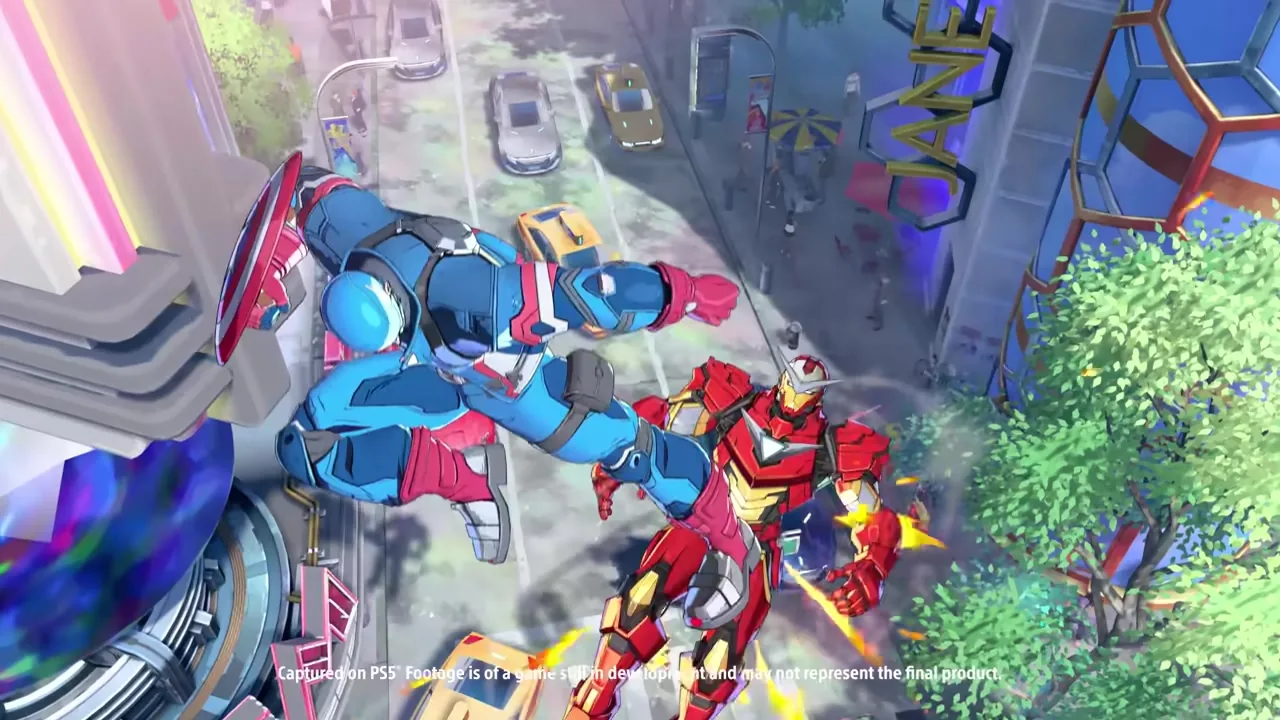
It has been a tumultuous ride since MARVEL Tōkon: Fighting Souls officially launched on August 6, 2026. If you primarily consume fighting game content through Steam DB screenshots or cynical Twitter threads, you might be under the impression that Arc System Works’ highly ambitious 4v4 tag-team brawler is already on life support. The reality, however, is a fascinating case study in how platform disparities and initial launch hiccups can heavily skew community perception.
As we approach the end of September, the dust is finally settling. The developers are actively speaking out, media analysts are crunching the real numbers, and new players are hovering on the edges of the community, wondering if it’s finally safe to jump into the arena. The overarching question dominating forums like r/gamingadvice this week is simple: “How is Marvel Tōkon so far?” People want to know if the server issues are resolved, if the character balance holds up, and if the player base is healthy enough to justify the price tag. Fortunately, both the developers and industry data have some very clear answers.
Arc System Works Asks for a Round 2
In a recent and surprisingly candid retrospective published by GameSpot, developers from Arc System Works reflected on the rocky launch window of MARVEL Tōkon: Fighting Souls. It is no secret that the PC port specifically suffered out of the gate. Between regional lockout controversies tied to PSN account requirements, aggressive DRM implementation, and shader compilation stuttering that ruined the otherwise pristine rollback netcode, the Steam release was an undeniably frustrating experience for competitive players.
The developers acknowledged these stumbles directly. Earlier this summer, the team openly discussed how regaining PC players’ trust would be extremely hard, but they have put their heads down and done the actual work rather than just offering empty PR apologies. Since the first major update, multiple optimization patches have drastically smoothed out the frame pacing on PC, and the matchmaking logic that was causing phantom lobbies has been completely overhauled.
Now, the developers are putting out a public plea to the FGC: they are asking players who refunded or dropped the game in week one to simply give it another shot. They believe the core gameplay loop is finally stable enough to speak for itself, unhindered by the technical baggage that plagued the opening weeks.
The “Flop” Narrative vs. Cold Hard Data
The negative buzz surrounding the Steam launch naturally led to a massive wave of “dead game” discourse. However, a recent data-driven analysis by DualShockers titled “Was Marvel Tokon Really a Flop?” completely dismantles this narrative. The publication dug into the global sales metrics and console active user data, revealing a stark contrast between the PC echo chamber and the broader gaming market.
While it’s true that the PC player base plummeted shortly after launch, the PlayStation 5 ecosystem has been carrying the game on its back with staggering success. The bold anime art style, combined with the sheer brand power of Marvel Games and Sony Interactive Entertainment’s massive marketing push, resulted in rapid casual and competitive adoption on console. The game recently celebrated a 740k sales milestone, absolutely dominating the August sales charts. For a brand new, highly technical anime fighting game IP, pushing three-quarters of a million copies in less than two months is the total opposite of a flop. The community is there; they just aren’t all logging in through Steam.
The 4v4 Tag Mechanics Are Finally Shining
Now that the egregious technical bugs have been squashed, the FGC can finally evaluate MARVEL Tōkon: Fighting Souls strictly on its mechanical merits. And mechanically, this game is a chaotic, beautiful masterpiece that rewrites several fundamental rules of the VS subgenre.
The defining feature of the game—and its most controversial upon reveal—is the shared Vital Gauge. In traditional tag fighters, managing recoverable red health and snapping characters in and out to heal is half the meta. By forcing the entire 4-person squad to share a single Vital Gauge, ASW created a dynamic where there is no safe harbor. If Wolverine gets caught in a massive frame trap and eats an optimal combo, your entire team’s health pool takes the hit. This prevents the frustrating “snowball” effect where losing your point character severely limits your toolset. You always have access to all four of your characters’ assists right up until the KO screen.
This paradigm shift places immense importance on the Assemble Gauge. The Assemble Gauge dictates your assist calls, active tags, and combo extensions. Because you never lose characters individually, your Assemble Gauge economy remains fully intact for the entire match. High-level play has evolved into a blindingly fast game of resource management, where players use their Assemble Gauge to maintain oppressive blockstrings or create dirty cross-up setups, while simultaneously building meter for their supers.
Speaking of supers, let’s be explicitly clear for the newcomers reading the wiki: the super meter is called the Skill Gauge. It is not the “Soul Gauge.” Despite the game being titled Fighting Souls, you are spending your Skill Gauge to unleash those screen-filling cinematic attacks. Misnaming the meter is the fastest way to out yourself as a button-masher in the community Discord servers.
A Roster Built for Synergy
The launch roster of 20 characters, neatly divided into 5 distinct 4-person teams, has proven to be incredibly well-balanced. While you aren’t forced to play the canon teams, the pre-built synergies are an excellent starting point for new players trying to wrap their heads around the mechanics.
- Unbreakable X-Men (Storm, Magik, Wolverine, Danger) excel at relentless rushdown and screen control.
- Amazing Guardians (Spider-Man, Ms. Marvel, Star-Lord, Peni Parker) offer some of the most unorthodox mobility and trap-based setups in the game.
- Fighting Avengers (Captain America, Iron Man, Black Panther, Hulk) are your fundamentals-heavy brawlers, providing reliable neutral tools and massive damage.
- Knights of Doom (Doctor Doom, Magneto, Green Goblin, Carnage) dictate the pace with oppressive zoning and unpredictable flight mix-ups.
- Samurai Outriders (Ghost Rider, Blade, Loki, Deadpool) bring chaotic neutral-skips and highly specialized gimmick tools to the table.
Finding the right combination of point characters and Assemble Gauge assists from these 20 fighters has kept the lab monsters busy for hundreds of hours, and the meta is still evolving daily as players discover new optimal routes.
Single-Player Value: Conquering Episode Mode
For players still hesitant about jumping into ranked matchmaking, the single-player content easily justifies the entry fee. The Episode Mode is not a throwaway arcade ladder; it is a fully voiced, narrative-driven campaign. The story centers around the cosmic entity known as the Champion of the Universe, who serves as the ultimate, screen-breaking boss fight. Throughout the campaign, the villainous Knights of Doom act as the primary antagonistic force, forcing the heroes to navigate uneasy alliances.
Learning how to punish the Champion of the Universe’s heavily armored attacks in Episode Mode actually serves as a phenomenal training ground for understanding the game’s core defensive mechanics before you ever take your skills online.
The Verdict for Fence-Sitters
So, to answer the Reddit user asking if MARVEL Tōkon: Fighting Souls is worth it right now: Yes, unequivocally. Arc System Works has absorbed the initial blows from the PC launch and stabilized the ship. The player base on PlayStation 5 is thriving, the netcode is performing as intended, and the gameplay is unlike anything else currently on the market.
With the foundational issues addressed, the community can finally look forward to the confirmed Year 1 DLC. We already know that 4 additional characters and 1 new stage are on the horizon. While the developers are keeping the exact identities of the DLC fighters tightly under wraps (please ignore the random Discord leaks claiming otherwise), the core game provides more than enough depth to keep you grinding until they arrive. It’s time to stop looking at the Steam charts and start looking at the frame data. Grab your stick and give it another shot.