Marvel Tōkon PC Player Base Plummets, But the Core Scene Thrives
Steam charts show a massive player drop for Marvel Tōkon, yet the hardcore 4v4 tag community hits ranked milestones and secures hardware support.
More than a month after its highly anticipated August 6, 2026 release, MARVEL Tōkon: Fighting Souls is facing the harsh reality check that almost every modern fighting game eventually encounters. A recent report from ixbt.games highlighted a massive decline in the PC player base, stating that the online concurrent count on Steam has dropped by nearly tenfold. Over on Reddit, casual players and spectators are debating the severity of the situation, with some threads wildly claiming a 95% reduction in overall activity and blaming the notoriously tough fighting game ecosystem for driving newcomers away.
While doom-scrolling through Steam DB player count charts is a favorite pastime for internet commentators, the reality inside the matchmaking queues paints a vastly different picture. The casual audience might have moved on to the next big release after finishing the story, but the core fighting game community (FGC) is fully entrenched in Arc System Works’ frantic 4v4 tag brawler. Ranked milestones are being completely shattered, the meta is evolving daily, and major peripheral manufacturers are pushing out official support for the title. Here is a breakdown of what the retention data actually means, why the drop-off happened, and how the hardcore scene is keeping the game thriving on both PlayStation 5 and PC.
The Steam Population Plunge: Contextualizing the Drop
According to the latest metrics reported by ixbt.games, the Steam player base for MARVEL Tōkon: Fighting Souls has plummeted, retaining roughly 10% of its launch peak. While these numbers sound alarming in a vacuum, context is vital. The initial PC release was plagued with high-profile controversies, ranging from unexpected hardware stutters to the infamous DRM and PSN account requirements that frustrated the community. We documented much of this frustration during the PC launch fallout, and those early technical hiccups undoubtedly encouraged some players to refund or abandon the game early on.
Furthermore, PC player metrics on Steam do not account for the entire ecosystem. The game is heavily populated on the PlayStation 5, which serves as the primary tournament standard for the FGC, and it is also available on the Epic Games Store. The rollback netcode and crossplay architecture ensure that matchmaking remains incredibly fast despite the Steam-specific statistical drop. The narrative that the game is somehow dying because of a 90% drop on a single platform fundamentally misunderstands how fighting games operate. A massive portion of the launch audience consists of casual Marvel fans who just wanted to see their favorite characters rendered in Arc System Works’ stunning anime art style, play through the cinematic modes, and then rotate to other games.
The Episode Mode Exodus
A significant factor contributing to the sudden player base drop is the structure of the single-player content. MARVEL Tōkon: Fighting Souls features a surprisingly robust and well-written Episode Mode. Rather than a basic arcade ladder with text boxes, the story drops players into a sprawling cosmic conflict orchestrated by the towering elder known as the Champion of the Universe.
This narrative forces the roster into distinctive 4-person squads. Casual fans got to experience the Unbreakable X-Men (Storm, Magik, Wolverine, Danger), the Amazing Guardians (Spider-Man, Ms. Marvel, Star-Lord, Peni Parker), and the Fighting Avengers (Captain America, Iron Man, Black Panther, Hulk) clashing with the antagonist faction, the Knights of Doom (Doctor Doom, Magneto, Green Goblin, Carnage). Once casual players assemble their favorite heroes, conquer the storyline, defeat the Champion of the Universe, and watch the credits roll, their incentive to stick around diminishes entirely. They got exactly what they paid for. This happens with almost every major fighting game release that features a high-budget story mode. The initial sales spike guarantees financial success for Sony Interactive Entertainment, but the long-term concurrent player count naturally settles down to the fighting game veterans who actually want to run sets, optimize combos, and grind the ranked ladder.
The 4v4 Mechanical Filter
The other major reason for the sharp decline in casual players is the sheer mechanical depth and visual density of the game. MARVEL Tōkon: Fighting Souls is a relentless 4v4 tag team experience. The cognitive load required to track everything happening on the screen is immense. Casual players often hit a brick wall when they jump into online matchmaking and encounter opponents who actually understand how the engine functions.
Managing resources in this game requires constant, split-second situational awareness. First, you have the shared Vital Gauge, meaning you cannot just strategically sacrifice a low-health character to save the rest of your team. If one member of the Samurai Outriders takes a massive combo, the whole team suffers the consequences of a universally depleted health pool.
Then you have the Assemble Gauge, dictating exactly when and how you can call in your teammates for off-screen assists, combo extensions, or desperate defensive bursts. Finally, the Skill Gauge strictly governs your access to super moves and EX specials. When you properly understand how the tag system works, the game opens up into a beautiful, free-flowing ballet of Marvel heroes dominating the screen. But for a newcomer, getting caught in an inescapable blockstring by a seasoned Spider-Man or Magik player is a deeply demoralizing experience. The execution barrier acts as a natural filter, leaving only the most dedicated players in the active matchmaking pool.
The Core Grind: 2000 Wins and Meta Evolution
Those who stayed, however, are pushing the game to its absolute limits. While Reddit threads might complain about Steam charts, other users are posting incredible community milestones. Just recently, Reddit user @opanm posted a screenshot celebrating the world’s first 2,000 wins in ranked mode.
Achieving 2,000 victories in a game that has barely been out for a month and a half requires an absurd amount of dedication. It means playing hundreds of high-stakes matches a week, grinding through netplay, and constantly adapting to the evolving meta. The competitive scene is fiercely active right now. Players are relentlessly labbing setups, finding new ways to exploit the Assemble Gauge for unblockable mixups, and figuring out which character synergies yield the highest damage output for the least Skill Gauge expenditure.
If you look at any current launch tier list, you will see the meta shifting week by week. Characters like Blade are dominating the conversation due to their exceptional neutral tools and oppressive assist capabilities, while the Knights of Doom roster continues to provide excellent zoning options. The hardcore community isn’t worried about the casual drop-off; they are too busy figuring out how to stop high-level Magik players from completely running them over in the corner.
Hardware Support and Audio Cues: SteelSeries Jumps In
Another massive indicator of a healthy, dedicated core community is third-party hardware support. When peripheral manufacturers start tuning their software for a specific game, it means they recognize a stable, dedicated demographic that is willing to spend money to improve their gameplay. In the recent release notes for SteelSeries GG 120.0.0, the company officially added a custom EQ preset specifically built and tuned for MARVEL Tōkon: Fighting Souls.
In a game this visually chaotic, audio cues are just as important as visual ones. When the screen is filled with explosions, magical portals, symbiote tendrils, and flashing hit sparks, relying purely on your eyes can lead to disastrous defensive mistakes. A properly tuned audio EQ allows players to isolate the specific sound effects that matter most—the sharp audio ping when an opponent’s Assemble Gauge fills, the distinct voice line of a character coming in for an assist, or the intense hum of the Skill Gauge being activated for a super. Having official EQ support from a major brand like SteelSeries highlights that the competitive player base is large enough to warrant specialized software development, treating the game as a permanent esports fixture.
Looking Ahead: The Year 1 DLC Pipeline
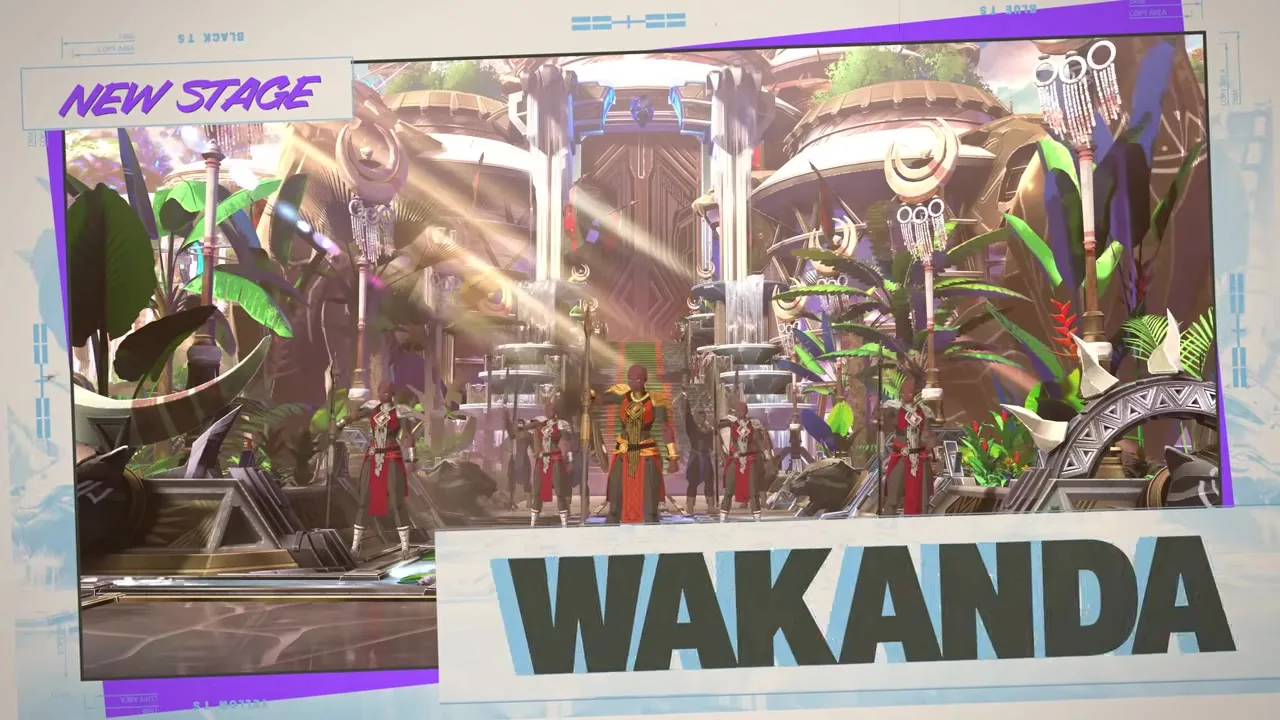
While the current PC player count has settled into a comfortable niche of dedicated FGC grinders, the game still has plenty of ammunition to draw players back into the fold. Arc System Works and Marvel Games have already locked in the Year 1 DLC roadmap, which officially promises four additional characters and one new stage.
Historically, in the anime fighting game ecosystem, DLC character drops cause massive spikes in player activity. Lapsed players return to try out the new additions, the top-tier meta gets entirely reshuffled, and tournament viewership surges. We still don’t know the identities of the upcoming four roster additions—despite numerous unconfirmed community rumors floating around Discord regarding the remaining Marvel universe—but the anticipation is palpable.
Until those announcements happen, the remaining player base will continue to do what they do best: hit the training mode lab, grind ranked, and keep the spirit of this incredible 4v4 fighter alive. The casual audience may have left the building after defeating the Champion of the Universe, but for the FGC, the true battle has just begun.