Marvel Tōkon Producer Admits Regaining PC Players' Trust Will Be 'Extremely Challenging'
Arc System Works producer Yamanaka addresses the turbulent PC launch of MARVEL Tōkon: Fighting Souls, promising fixes amidst high critical praise and a stabilizing Week 3 meta.
When MARVEL Tōkon: Fighting Souls officially launched on August 6, 2026, the fighting game community was immediately split into two distinct realities. On the PlayStation 5, players experienced a visually stunning, mechanically rich 4v4 tag fighter that felt like the true evolution of the anime fighter genre. On PC (Steam and Epic Games Store), however, the reality was a barrage of stuttering issues, region-locking controversies, and aggressive DRM implementations that left a massive portion of the player base staring at crash logs instead of character select screens.
Now, nearly three weeks post-launch, the developers at Arc System Works are openly addressing the elephant in the room. In recent interviews, the game’s producer, Yamanaka, provided a starkly honest assessment of the PC situation, admitting that winning back the trust of the PC player base will be “extremely challenging."
"Facing It Head-On”: The Apology and The Promise
The journey from the wildly successful July open beta to the fractured launch day has been a turbulent one. Reports from outlets like IGN and Push Square highlight a development team that is acutely aware of their missteps. Yamanaka did not mince words when discussing the fallout. He noted that regaining the lost trust “will not be an easy task at all,” but emphasized that Arc System Works is “facing head-on” the myriad of technical problems that have plagued the PC version.
The goal, according to the producer, is to ensure “an environment where players can comfortably enjoy the game.” For those who have been following the PC launch fallout, this acknowledgement is a necessary first step. The PC version suffered from bizarre frame pacing issues, sudden crashes related to RGB lighting software on Windows 11, and a highly controversial DRM rollout that initially locked out 132 countries from purchasing the game.
While emergency patches have started to roll out—stabilizing the framerate and easing some of the region restrictions—the damage to the game’s reputation on Steam was immediate. Mixed reviews dominated the storefront, contrasting sharply with the glowing critical reception the game received elsewhere. The FGC is notoriously unforgiving when it comes to netcode and input lag, and the initial PC build struggled to deliver the flawless rollback experience that players tasted during the open beta.
A Phenomenal Fighter Hampered by Corporate Meddling
The tragedy of the PC launch is that beneath the technical woes lies what TechRadar recently summarized as a “phenomenal fighting game hampered by corporate meddling.” When the game runs as intended, it is nothing short of a triumph. Outlets like IGN awarded the game a 9/10, praising the bold anime-inspired art direction and the immense depth of the combat system.
In a recent interview with CGMagazine, the team detailed the process of building MARVEL Tōkon: Fighting Souls, highlighting the unprecedented collaboration between Arc System Works and Marvel Games. The core philosophy was to push the boundaries of team-based fighters. The 4v4 tag system is not just a gimmick; it completely redefines resource management and neutral control.
Unlike traditional versus games where you can safely swap out a battered point character to regenerate recoverable health, Fighting Souls utilizes a shared Vital Gauge for the entire four-character team. Every hit taken impacts the team’s unified survival. To compensate, the Assemble Gauge dictates the flow of assists and active switches, forcing players to think critically about when to call in Magik for a lockdown assist or when to use Star-Lord to safely swap a pressured point character without burning essential resources.
Furthermore, the game’s super meter—correctly titled the Skill Gauge—allows for explosive DHC sequences that can melt the shared Vital Gauge in seconds if you catch your opponent mashing. The mechanical interplay between these three meters (Vital, Assemble, and Skill) creates a dynamic neutral game where momentum can shift in the blink of an eye. The roster of 20 characters, divided neatly into five thematic teams (Unbreakable X-Men, Amazing Guardians, Fighting Avengers, Knights of Doom, and Samurai Outriders), offers a staggering amount of synergy exploration.
Week 3 Meta: The FGC Marches On
Despite the PC performance drama, the hardcore community has not stopped grinding. The competitive scene is thriving, and the meta is evolving at a breakneck pace. A recent data scrape posted on the /r/Fighters subreddit analyzed the Top 500 teams on the TokonTeams ranking leaderboard, providing a fascinating snapshot of the game’s competitive landscape.
As we noted in our earlier coverage of the Week 3 meta shifts, the initial chaos of launch week is settling into structured, terrifyingly optimized team compositions. According to the Top 500 scrape, players are actively moving away from purely canonical teams. While the Amazing Guardians (Spider-Man, Ms. Marvel, Star-Lord, Peni Parker) provide excellent built-in synergy for beginners, high-level players are increasingly mixing and matching to cover specific neutral weaknesses.
Storm and Magneto remain dominant point characters, utilizing their incredible air mobility and projectile coverage to frustrate opponents. Meanwhile, assists from the Samurai Outriders—particularly Ghost Rider’s chain sweeps and Blade’s oppressive blockstun—are seeing massive play rates across the upper echelons of the ranked ladder.
What the data clearly shows is that the core loop of Fighting Souls is remarkably sticky. Players who have pushed through the PC issues, or those playing comfortably on PS5, are heavily invested in the lab. The flexibility of the Assemble Gauge means that even characters perceived as lower tier can find a home on a highly ranked team if they provide the right assist utility or safe DHC options.
Hardware and Accessibility: Adapting to the Chaos
The sheer speed and execution demands of Fighting Souls are also driving broader conversations around hardware within the community. The 4v4 structure requires constant, precise inputs for assists and tags, leading to a surge in discussions about ergonomics. On platforms like Reddit, players are actively debating the physical toll of the game, with many standard controller users seeking advice on transitioning to leverless setups to alleviate finger and hand pain. The heavy reliance on the Assemble Gauge for simultaneous inputs makes a leverless layout incredibly appealing for executing clean frame traps and complex assist calls without hand strain.
Simultaneously, peripheral manufacturers are stepping up to support the game’s growing competitive scene. SteelSeries recently released their GG 118.0.0 software update, which introduces newly tuned Sonar Game audio presets specifically for MARVEL Tōkon: Fighting Souls. These tailored audio profiles help players distinguish critical sound cues—like the specific audio tell of a Skill Gauge activation or an incoming tag—amidst the visual chaos of four characters clashing on screen. This level of third-party support underscores the industry’s belief in the game’s longevity.
The Road to Redemption
While the multiplayer meta solidifies, casual fans are still digging into the expansive Episode Mode. Pitting the roster against the cosmic elder, the Champion of the Universe, and dealing with the villainous machinations of the Knights of Doom, the story mode has been praised for capturing the bombastic energy of a summer manga crossover event. Arc System Works managed to deliver a narrative that respects the lore while taking wild stylistic liberties with the character designs.
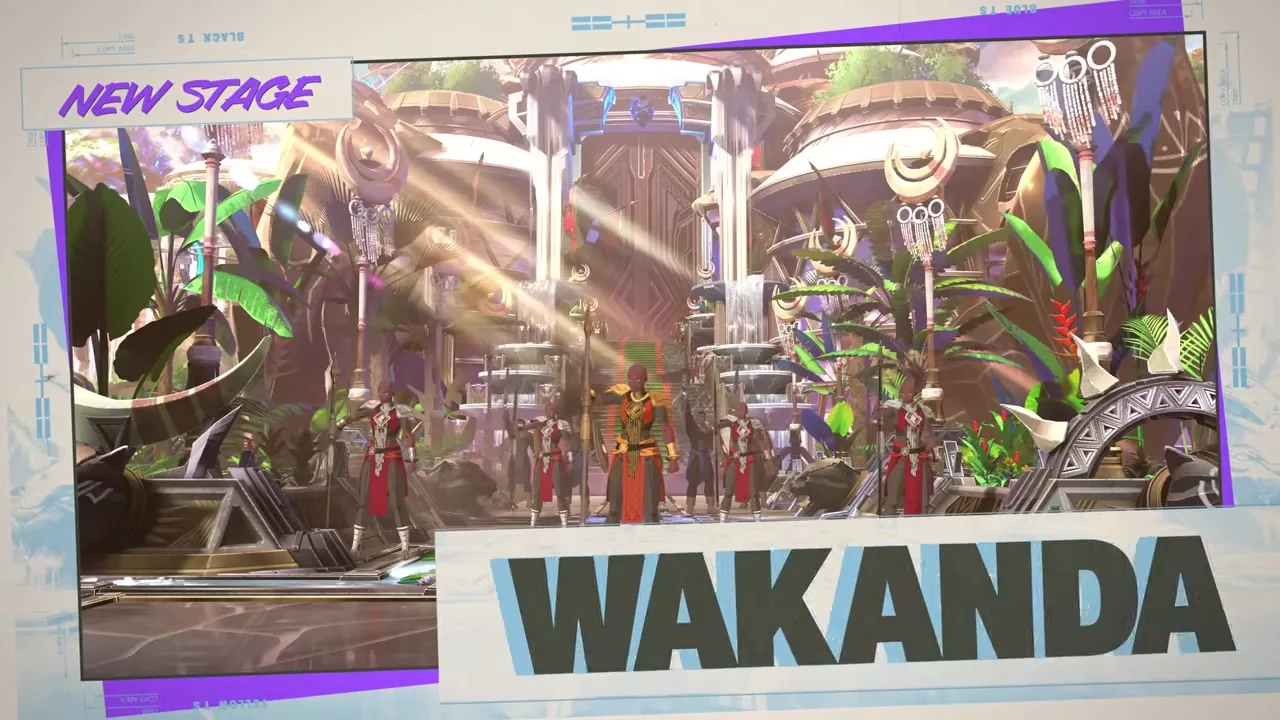
Looking ahead, the roadmap is clear, but the path is undeniably steep. Arc System Works has officially confirmed the Year 1 DLC pass, which will bring 4 new characters and 1 new stage to the game. However, before the community can truly hype up future additions, the developer must make good on Yamanaka’s promise.
Removing the restrictive DRM, fixing the lingering frame pacing on PC, and ensuring flawless parity between the platforms is the only way MARVEL Tōkon: Fighting Souls will survive to see its first anniversary in a healthy state. The game itself is brilliant—a meticulously crafted love letter to both Marvel and hyper-aggressive fighting games. Now, the technical infrastructure just needs to catch up to the vision.
As the developers face these challenges head-on, we will continue to monitor the patch notes and meta developments. Whether you are labbing optimal blockstrings with Hulk or trying to master Loki’s illusion setups, the arena is wide open. For now, we wait to see if the developers can execute the ultimate comeback mechanic and restore the PC community’s faith.