Marvel Tōkon Meta Shifts: SonicFox’s Tier List, 71K Combos, and Magneto’s Damage Scaling Tech
As the competitive scene evolves, we break down SonicFox's new tier list, massive 71K tag synergy routes, and the intricate damage proration mechanics defining the meta.
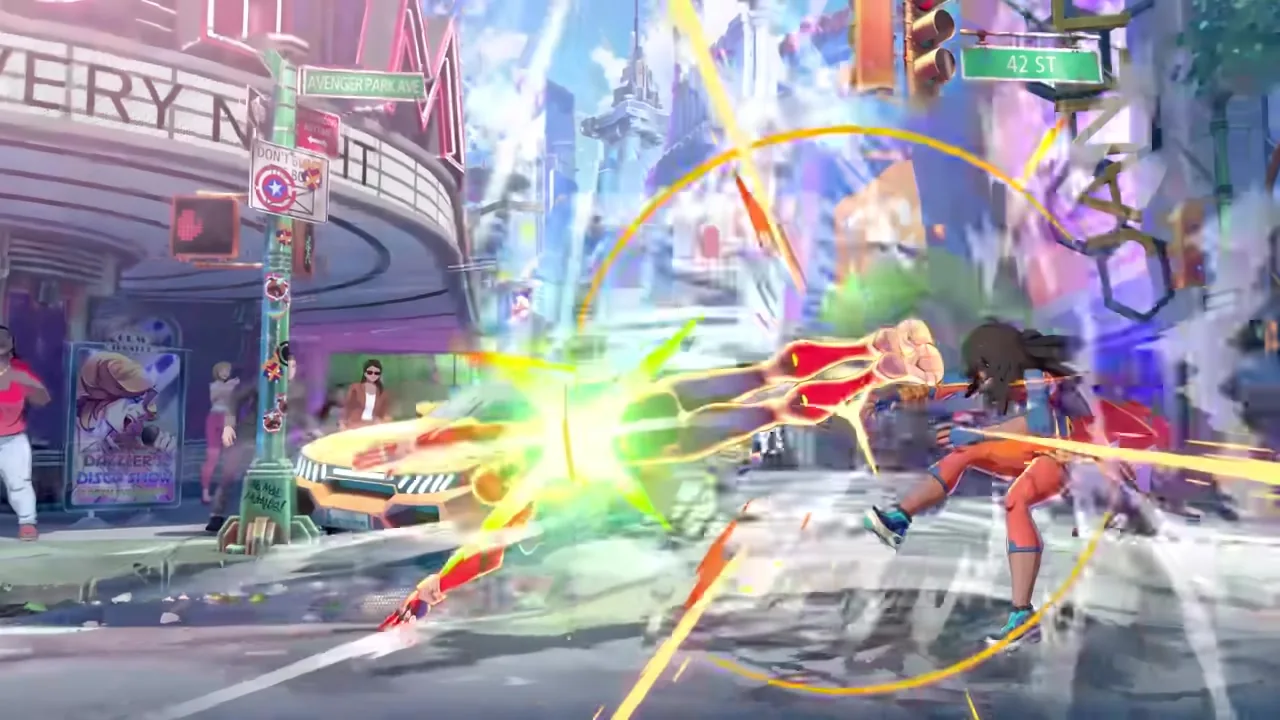
A few weeks out from the August 6 launch, the lab monsters have officially taken over MARVEL Tōkon: Fighting Souls. While the casual crowd is busy fighting the Champion of the Universe in the spectacular single-player Episode Mode, the hardcore competitive community is tearing Arc System Works’ engine apart to find optimal routes and frame advantage.
The competitive landscape of this 4v4 tag team brawler is evolving at a breakneck pace. The massive shared Vital Gauge fundamentally changes how we approach resource management, and players are quickly realizing that optimizing damage scaling is the difference between a minor poke and erasing a third of the enemy team’s total health. From fresh professional tier lists dropping to absolutely unhinged 71K damage tag routes, the meta is crystallizing. Combine that with a newly deployed August performance patch for PC and PS5, and there is a massive amount of tech and news to digest.
SonicFox’s Post-CEO Tier List Signals a Meta Shift
If you want to know where the meta is heading, you look at tournament results. Following the massive turnout and fierce competition at CEO 2026, FGC legend SonicFox has released a brand new tier list via EventHubs, and it paints a very different picture from what we saw during the early access days.
In a traditional 1v1 fighter, characters are evaluated solely on their neutral tools, framedata, and solo damage output. MARVEL Tōkon: Fighting Souls throws that out the window. Because you are fielding four characters simultaneously, a fighter’s viability is intrinsically tied to their Assemble Gauge utility. A character with mediocre neutral buttons can still be S-Tier if their assist cleanly locks down the opponent for a mixup, or if their tag-in safely covers another character’s unsafe blockstring.
The newly established meta favors teams that can force layered 50/50 mixups while generating a sustainable economy for both the Assemble Gauge and the Skill Gauge. Characters belonging to the Knights of Doom and the Amazing Guardians are seeing heavy representation because of their high-mobility airborne states and screen-controlling projectiles. It is fascinating to see how opinions have shifted since the initial tier list launch phase, proving that the synergy between 4 fighters is far more important than any single character’s solo potential.
Breaking the Limits: The 71K Synergy Combo
Speaking of synergy, the community continues to push the boundaries of what is possible within the game’s combo system. Over on Reddit, user TheHorror47 recently uploaded footage of an absolutely devastating Iron Man and Spider-Man combo that clocks in at a staggering 71K damage. In a game where the entire 4-character squad shares a single Vital Gauge, landing a 71K sequence is a massive, momentum-shifting swing.
Hitting this kind of damage requires a masterclass in Assemble Gauge management and strict timing. This isn’t just about pressing heavy attack over and over; it’s about utilizing Iron Man’s oppressive aerial repulsor blasts to force the opponent into a prolonged hit stun state, then instantly calling in Spider-Man via the Assemble Gauge to catch the falling body with web-based lockdown maneuvers.
The beauty of this route is how it bypasses traditional hit stun deterioration. By seamlessly tagging between characters, the combo system allows for extensions that solo characters simply cannot achieve. It requires burning your Skill Gauge at the exact right moment for an EX or super cash-out to finalize the sequence before the opponent gets a chance to air-tech out. For players looking to recreate these devastating sequences in their own matches, understanding the underlying rules of hit stun and tag limits is mandatory. If you are struggling to keep your opponents airborne, brushing up on your combo basics and practicing Assemble tag-ins in the training mode is the only way forward.
Damage Proration and Magneto’s “Slam Dunk” Tech
One of the most complex hurdles for new players entering the Arc System Works ecosystem is understanding damage scaling, often referred to in the FGC as “proration.” A recent discovery by Reddit user SaishuuKessen perfectly illustrates this mechanic using Magneto and a technique the community is calling the “Slam Dunk.”
The video demonstrates a profound mechanical truth: the exact same sequence of buttons can deal vastly different amounts of damage depending on the opening hit.
When you start a combo with a fast, low-risk light attack (like a crouching jab), the game applies heavy damage scaling to the rest of the combo to prevent cheap touch-of-death situations. By the time you spend your Skill Gauge on a flashy cinematic super at the end of the route, it might only do a fraction of its raw damage.
However, the “Slam Dunk” tech shows that if Magneto manages to open up the opponent with a specific, high-risk heavy kinetic strike or a heavily scaled command normal starter, the proration penalty is drastically reduced. The subsequent hits—and most importantly, the final Skill Gauge expenditure—retain a massive chunk of their base damage.
This means that high-level play isn’t just about hitting the longest combo; it’s about recognizing how you got the hit. If you open them up with a stray light attack, it is often a smarter strategic decision to go for a hard knockdown and a meaty oki setup rather than wasting your Skill Gauge for minimal damage. Conversely, if you catch them with a clean heavy starter, you dump every ounce of resource you have to maximize the Vital Gauge bleed.
August Performance Update and Lingering PC Hardware Quirks
While the community has been busy optimizing routes, the developers have been addressing the technical side of the game. GameFragger reports that Arc System Works has officially rolled out the August Update, specifically targeting performance stability and various gameplay bugs. This patch is a godsend for improving rollback netcode stability and smoothing out overall framerates during visually chaotic 4v4 tag-ins.
However, the PC port continues to be a wild west for certain hardware configurations. A highly upvoted thread on the AMDHelp subreddit highlights that players utilizing top-of-the-line AMD hardware—specifically the Ryzen 9800x3d CPU paired with the 9070 xt GPU—are still experiencing severe system crashes. Users are reporting complete blue screens and Live Kernel Event 141 errors mid-match.
While Arc System Works has undeniably improved the baseline experience since launch day, this serves as a stark reminder that optimization for bleeding-edge PC hardware is an ongoing battle. If you are running an extreme high-end AMD rig and experiencing these fatal errors, the community currently suggests rolling back to earlier, more stable GPU drivers or waiting for a targeted hotfix from the developer.
The Road Ahead
We are barely a few weeks into the lifespan of MARVEL Tōkon: Fighting Souls, and the depth of the mechanics is already staggering. With the entire initial roster of 20 characters and 5 set teams fully explored, players are squeezing every last drop of optimization out of the engine. While we already know that Year 1 DLC is confirmed to bring 4 additional characters and a new stage, the lab monsters still have plenty to figure out with the base roster. Whether you are trying to master Magneto’s scaling quirks or land your first 70K tag combo, the arena is wide open.