MARVEL Tōkon Director Promises Input Fixes and Assist Changes in Future Updates
Arc System Works Director Kazuto 'Pachi' Sekine addresses MARVEL Tōkon: Fighting Souls PC stability, missing inputs, and the ongoing Assemble Gauge debate.
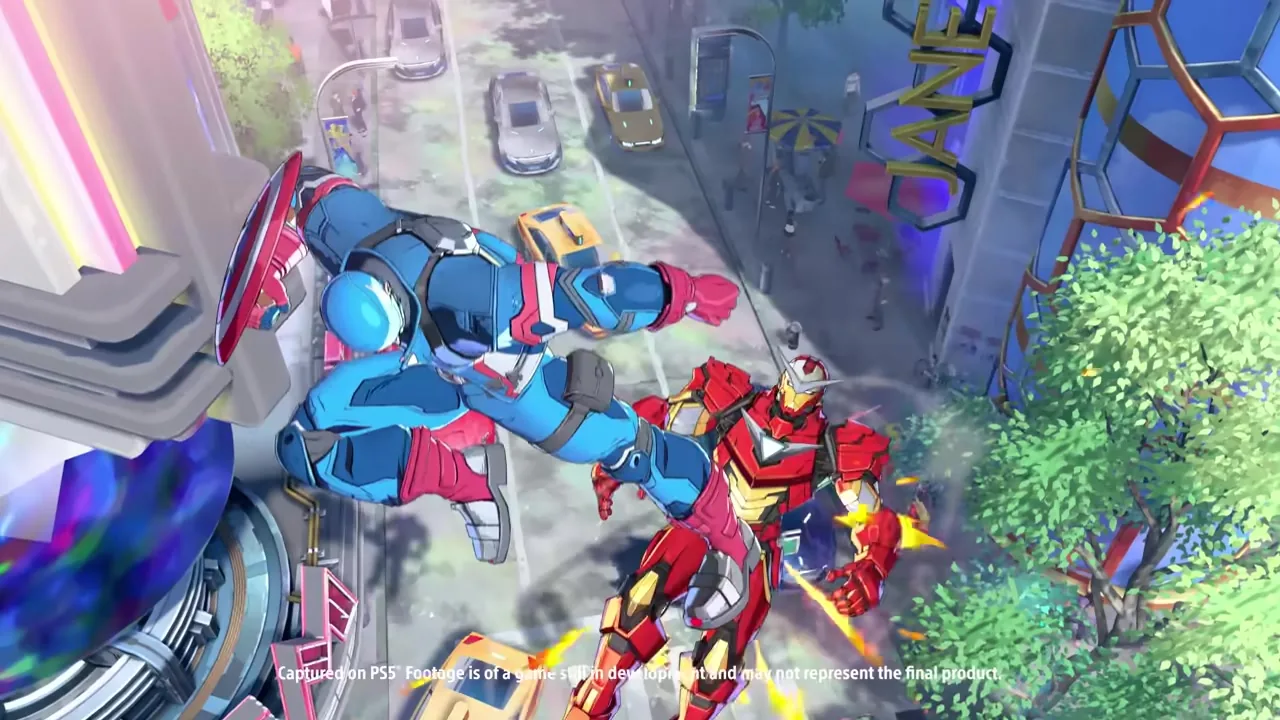
More than a month after its highly anticipated August 6, 2026 release, MARVEL Tōkon: Fighting Souls continues to heavily dominate fighting game conversations worldwide. Developed by the genre veterans at Arc System Works, this bold anime-style 4v4 tag team brawler brought 20 unique characters—split meticulously across five thematic squads—to the PlayStation 5 and PC platforms. While the competitive scene is currently flourishing with massive combos, aggressive team synergies, and frequent offline tournaments, the active player base has been increasingly vocal about mechanical rough edges and technical hiccups. Today, Game Director Kazuto “Pachi” Sekine published an open letter directly addressing the global community, outlining the developmental roadmap for future patches. The primary focus of this upcoming wave of updates? Fixing dropped inputs during complex aerial maneuvers and taking a hard, critical look at the game’s increasingly chaotic assist economy.
Acknowledging the PC Launch and Technical Stability
Sekine opened his formal statement by reflecting on the incredibly creative tactics the community has developed since launch, praising the dedication of the entire fighting game community. However, he quickly pivoted to acknowledge the most pressing elephant in the room: the PC version’s lingering stability issues. Although Arc System Works previously deployed a crucial Day 1 patch to smooth over initial stuttering and performance drops on the Steam and Epic Games Store clients, Sekine offered a sincere, heartfelt apology to those who experienced continued frustration.
He assured the community that resolving these lingering PC performance hurdles remains a top priority for the studio. In a high-speed fighting game where reading startup animations and executing frame-perfect punish windows is absolutely crucial, any variation in frame pacing or rollback netcode stability can instantly ruin the competitive integrity of a tournament match. The development team is actively making significant progress on further performance improvements to ensure the PC client matches the buttery smooth experience currently found on the PlayStation 5 ecosystem. A stable framerate is the foundation of any fighting game, and the team is committed to delivering that baseline quality for all platform users.
Reassessing Input Response: The Free Flight Dilemma
The most critical mechanical takeaway from the director’s extensive message revolves around how the underlying game engine handles complex input registration. Sekine specifically noted that the development team is targeting a thorough “Reassessment of Input Response.” He stated that players have frequently reported attacks failing to register correctly—or completely dropping—when performed out of aerial dashes or Free Flight states.
In MARVEL Tōkon: Fighting Souls, aerial mobility is a cornerstone of top-tier, high-level play. Characters like Storm from the Unbreakable X-Men rely heavily on her multi-directional hovering capabilities to bait anti-airs and initiate devastating high/low mixups. Similarly, Doctor Doom from the villainous Knights of Doom faction utilizes his unique flight mechanics to control the screen with oppressive, inescapable zoning tools. When players execute a perfectly timed airdash into a fast light attack, the engine’s input buffer must capture that rapid sequence flawlessly. Currently, it seems that if an attack button is pressed too quickly during the specific transition frames of a dash or flight cancel, the engine ignores the command, leaving the player completely exposed to a fatal counter-attack.
This input consistency is vital because the game’s combo structure is notoriously unforgiving if you drop your sequence before cashing out with the Skill Gauge. The Skill Gauge—which heavily governs EX moves and devastating super attacks—is the primary resource for closing out rounds. Dropping a guaranteed Skill Gauge confirm simply because the engine ate an airdash input is incredibly demoralizing. Fixing this registration issue will immediately elevate the execution floor and allow technical players to truly express themselves without fighting the controller.
Leverless Controllers and the Execution Lab
While Arc System Works continues to work diligently on the official engine patch, the grassroots competitive community has been busy in the lab finding their own solutions for execution consistency. Because input precision is paramount in this frantic 4v4 tag team environment, many competitive players have actively migrated to leverless controllers to clean up their execution and eliminate physical travel time.
Recent discussions across the community have highlighted specific, high-level techniques to optimize inputs for the game’s most demanding character kits. For example, finding the optimal controls and setup for your specific peripheral can make a massive difference in a tournament setting. Hitbox users have been sharing detailed methods utilizing SOCD (Simultaneous Opposite Cardinal Direction) neutral to consistently hit tricky Down-Down inputs in the absolute heat of battle.
A prime example of this phenomenon is Blade from the Samurai Outriders faction. Blade requires a remarkably fast Down-Down command to execute his critical “Glaive Strike” manual skill. By mastering the SOCD neutral trick, players can instantly hit the neutral state and re-apply the downward directional input in a fraction of a second, entirely bypassing the physical travel time required by a traditional arcade stick. These hardware-level optimizations are currently keeping the competitive scene afloat, and they will only become more potent and reliable once the official input response fixes eventually go live.
Taming the Visual Chaos: The Assist Spam Discussion
Beyond the pressing execution fixes, Sekine also boldly addressed the secondary concern regarding the overall meta: the rampant assist and tag spam. MARVEL Tōkon: Fighting Souls features a uniquely shared Vital Gauge for the entire team, meaning players do not have to worry about managing four separate, individual health bars. However, this unified design places extreme, overwhelming emphasis on the Assemble Gauge, which solely dictates how frequently you can call in your off-screen teammates for combo extensions, pressure strings, or raw tags.
Right now, the Assemble Gauge regenerates at a blistering pace that allows teams like the Amazing Guardians (Spider-Man, Ms. Marvel, Star-Lord, Peni Parker) to completely flood the screen with projectiles, physical traps, and lockdown assists with virtually minimal downtime. If you want to deeply understand how the tag system works at the highest echelon of tournament play, it currently revolves around throwing out an invulnerable assist to cover your aggressive approach, rushing down the opponent, and immediately tagging out to safety if you are put in a disadvantageous state.
This overwhelming meta has led to a highly publicized Assemble Gauge debate within the grassroots competitive scene. Professional players argue that the screen often becomes visually unreadable during frantic 4v4 cross-up situations, as the relentless barrage of assist calls heavily obscures vital hit sparks, visual cues, and character animations. Sekine acknowledged this specific feedback directly, confirming that the development team is looking into targeted adjustments to prevent assist and tag mechanics from dominating the neutral game so completely.
The Road to Year 1 DLC and Future Balance
The upcoming balance adjustments detailed in the director’s letter are not just about hastily nerfing dominant strategies; they are ultimately about preparing the robust foundation of the game for the long haul. With the highly anticipated Year 1 DLC bringing four entirely new characters and one new competitive stage to the mix, Arc System Works desperately needs the underlying system mechanics to be as tightly balanced as possible. We still do not officially know who those four unannounced characters will be—despite endless, wild community theories floating around social media—but they will inevitably shake up the existing five-team dynamic and challenge the established tier lists.
Based on the director’s message, here are the crucial takeaways players should anticipate in the coming weeks:
- PC Stability Enhancements: Continued, rigorous work on optimizing frame pacing and eliminating client-side stuttering for Steam and Epic Games Store players.
- Input Registration Fixes: Adjusting the engine’s input buffer to correctly recognize extremely fast commands executed during aerial dashes, hover states, and Free Flight conditions.
- Assemble Gauge Adjustments: Re-evaluating the overall economy of the tag system to heavily reduce the frequency of assist calls and alleviate the visual clutter plaguing high-level matches.
Furthermore, as players continue to tirelessly grind through the robust single-player Episode Mode and test their mettle against the formidable Champion of the Universe boss fights, a dramatically more stable game engine will make these challenging PvE encounters feel far more rewarding. Taking down the Champion of the Universe requires perfect, unflinching defense and meticulous resource management; knowing with absolute certainty that your critical inputs will register exactly when you physically press them is more than half the battle.
The transparency and prompt communication from Director Sekine is a profoundly welcome reassurance that Arc System Works is closely monitoring the competitive ecosystem. Modern fighting games live and die by the quality of their post-launch support, and acknowledging deep mechanical flaws—while actively engaging with the community’s raw feedback—is the absolute hallmark of a development team dedicated to long-term, sustained success. As we eagerly await the full, detailed patch notes and the specific release date for this monumental update, it is the perfect time to head back into training mode, refine those tricky aerial dash timings, and diligently prepare for a potentially slower, significantly more deliberate tag meta.