Marvel Tōkon Advanced Tech: Bypassing Cross-Up Protection and the Throne of Souls Event
Learn how to bypass cross-up protection and auto-blocking in Marvel Tōkon, and prepare for the 10-player Throne of Souls KOTH community tournament.
It has been roughly a month since the official August 6 launch of MARVEL Tōkon: Fighting Souls, and the chaotic honeymoon phase of mashing buttons and throwing out random EX moves is officially over. Developed by Arc System Works in collaboration with PlayStation Studios and Marvel Games, the 4v4 tag team format has proven to be a deep, highly volatile playground for the fighting game community. With the initial Evo 2026 launch roster of 20 characters fully explored, competitive players are now tearing apart the game’s underlying systems to find every possible mechanical advantage.
One of the most heavily debated aspects of the current meta involves the game’s inherent defensive safety nets. Specifically, offensive players have been struggling to open up opponents who heavily rely on the built-in cross-up protection and auto-blocking systems. However, thanks to a recent technical breakdown posted on the community subreddit by FGC veteran GIMR, the player base finally has a reliable blueprint for bypassing these defensive layers entirely. We are going to examine how this new tech functions on a frame-data level, why it is defining high-level ranked play, and how you can expect to see it utilized in the upcoming “Throne of Souls” KOTH event this Friday.
Understanding Cross-Up Protection in a 4v4 Environment
Before attempting to bypass the system, it is crucial to understand what cross-up protection actually is within the context of MARVEL Tōkon: Fighting Souls. Because this is an anime-style 4v4 fighter with extremely chaotic neutral exchanges and persistent assist calls, Arc System Works implemented specific defensive layers to prevent inescapable unblockables.
If you call an assist that hits the opponent from the front, and your point character immediately airdashes over their head to attack from behind, the game engine will often grant the defender temporary cross-up protection. This means that as long as the defending player was correctly holding back to block the initial hit from the assist, the game automatically guards the attack coming from the opposite direction for a brief window. It is a strictly necessary feature in fast-paced tag games to prevent basic left/right sandwich setups from becoming automatic round-winners.
Similarly, auto-blocking—often referred to in the community as absolute guard—triggers when you are locked in a true blockstring. If an attacking player uses a multi-hit projectile or a long-lasting active hitbox, and their point character attacks you simultaneously with absolutely no gaps in the frame data, you only need to block the very first attack correctly. The system will auto-block the rest of the string as long as you do not input an action, let go of the directional input, or get thrown. For players who are currently struggling to survive the overwhelming screen clutter of 4v4 pressure, you can review our defense mechanics page to brush up on the fundamentals of survival.
Bypassing the Protection: The Artificial Gap Setup
The recent tech guide posted by GIMR conclusively demonstrates that these defensive layers are not impenetrable. The key to beating cross-up protection and absolute guard lies in manipulating hitstop and blockstun decay through highly specific micro-delays.
To successfully bypass the protection, you cannot create a true blockstring. Instead, you have to engineer an artificial gap. This gap needs to be meticulously timed: just long enough for the defender’s absolute guard state to end, but short enough that they cannot jump out, backdash, or press a fast light button to interrupt your pressure. When the absolute guard state drops during that tiny window, the cross-up protection goes down with it. If your active frames hit on the exact frame the protection vanishes, the defender is forced to manually block the correct direction again. If they are still holding back for the original assist direction, their guard breaks, and they get hit by the cross-up.
This technique requires immaculate timing and a deep understanding of your specific team’s frame data. Competitive players are already utilizing characters from the Knights of Doom and Unbreakable X-Men factions to execute this reliably. For example, using Doctor Doom’s delayed projectile traps while Magneto airdashes overhead creates a literal nightmare scenario for the defender. If the attacking Magneto player delays their jumping heavy attack by just two frames, the absolute guard breaks, and the opponent has to immediately recognize the left/right mixup manually. It forces the defending player to respect the mental stack rather than blindly trusting the game engine to protect them.
Managing the Assemble Gauge for Offensive Pressure
Executing these advanced setups consistently will rapidly drain your team’s resources, specifically your Assemble Gauge. This unique meter is entirely dedicated to your team’s tag and assist actions. You cannot simply spam your safest assists to fish for these cross-up bypasses; you have to commit your Assemble Gauge with a clear, calculated intent to open up the opponent.
When building these gap setups in the lab, you must strictly monitor your Assemble Gauge recovery rate. Calling a high-blockstun assist like Storm’s hurricane or Spider-Man’s webs will cost a significant portion of the gauge upfront. Once the assist is active on screen, the point character must initiate the delayed cross-up sequence. If the opponent successfully reads the timing and blocks the reset manually, your Assemble Gauge will be completely depleted. You will then be left playing a risky neutral game without your primary cover, leaving your point character highly vulnerable to being counter-hit.
Understanding when to commit this specific resource is what currently separates intermediate players from true tournament contenders. If you need help structuring your offensive pressure safely and choosing the right combination of assists for these advanced setups, our breakdown on offense mixups provides a solid foundation for team synergy.
Converting the Hit: The Skill Gauge and Vital Gauge Economy
Once you successfully execute the artificial gap, bypass the cross-up protection, and score the hit, the conversion is where the actual match is decided. In MARVEL Tōkon: Fighting Souls, your entire four-person team shares a single Vital Gauge. There is no regenerating health for characters swapped out to the backline. When the Vital Gauge hits zero, the match is over. This shared health pool means that a single successful bypass mixup can theoretically cost you a massive chunk of your total team health if the opponent optimizes their combo route.
To maximize the reward from these difficult gap setups, attackers rely heavily on the Skill Gauge. While the Assemble Gauge handles the tag mechanics, the Skill Gauge is your traditional super meter, utilized for EX special moves and high-damaging supers. After landing a tricky left/right cross-up, competitive players will immediately burn their Skill Gauge to tack on massive unscaled damage at the end of the combo, ensuring the resource expenditure was worth the risk. Knowing exactly how much Skill Gauge you need to spend to kill off a specific remaining portion of the Vital Gauge is a mandatory skill for high-level ranked play.
Putting Tech to the Test: Throne of Souls KOTH
We will not have to wait long to see this new anti-defensive tech applied in a high-stakes competitive environment. The community has organized a massive 10-player King of the Hill event called “Throne of Souls,” scheduled for this Friday, September 11, at 8 PM EST.
Hosted in collaboration with BluMint and featuring a crowdfunded prize pool, the tournament format is notoriously ruthless. It is a traditional “winner stays on” lobby where the very first player to reach 10 overall wins takes the crown. The top three players will walk away with the prize money, but with only 10 exclusive spots available, the talent pool will be exceptionally concentrated.
In a format like this, adaptation is everything. A player might dominate their first three matches using an unseeable cross-up setup that flawlessly exploits the auto-blocking bypass. However, the other players waiting in the lobby will be watching the stream. By the time that player reaches their seventh or eighth match, the remaining competitors will have downloaded the timing of the artificial gap and prepared specific counter-measures, such as invincible reversals, pushblocks, or well-timed parries. The winner will undoubtedly be the player who has multiple variations of these setups and can dynamically cycle through them without becoming predictable.
The Growing Competitive Community
The timing of this KOTH event aligns perfectly with the steady growth of the game’s grassroots esports scene. Beyond major online tournaments and the Arc World Tour, casual matchmaking and dedicated practice lobbies are thriving. The FGHQ (Fighting Game Headquarters) Discord server, which boasts over 1,400 active members, recently announced a dedicated push to recruit more MARVEL Tōkon players to their ranks.
Finding reliable training partners who understand these complex tag mechanics is absolutely essential for improvement. You simply cannot practice defending against precise 2-frame gaps against the CPU. Joining community hubs like FGHQ allows players to run long sets, test out new Assemble Gauge synergy, and share tech discoveries in real-time. Whether you are running the Samurai Outriders or the Fighting Avengers, engaging with the community is the fastest way to level up your gameplay. For a deeper understanding of how these specific team dynamics function, you can read more about the tag system.
Looking Forward: The Year 1 Roadmap
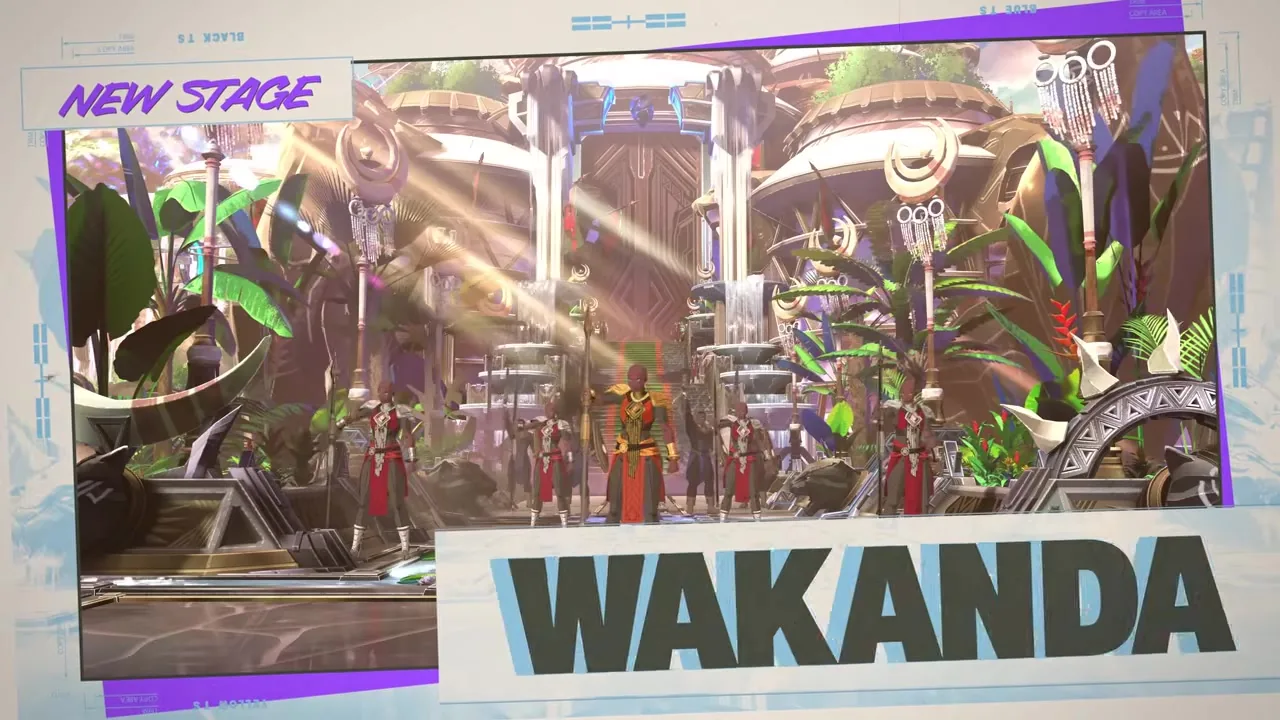
While the competitive community is currently obsessed with optimizing the launch roster of 20 characters, Arc System Works has already confirmed the broad strokes of the Year 1 DLC plan. The developer has officially promised four additional characters and one new stage to be released over the game’s first year of live service support.
Naturally, the community is already swirling with rumors, wishlists, and supposed leaks. Discussions regarding characters like Black Widow have gained significant traction on forums over the past 24 hours, with players heavily vocalizing their hopes that the game’s mechanics might finally do justice to characters that felt mechanically underwhelming in past franchise entries. However, it is vitally important to reiterate that absolutely no names have been officially confirmed by Arc System Works, PlayStation Studios, or Marvel Games at this time. Any purported leaks regarding the identities of the Year 1 DLC characters should be treated as pure speculation until an official trailer drops.
For now, the focus remains firmly on mastering the current meta. The discovery of how to reliably bypass cross-up protection and auto-blocking is a major milestone for the lifespan of MARVEL Tōkon: Fighting Souls. It proves that beneath the flashy anime visuals and chaotic 4v4 action, there is a tightly engineered fighting game engine waiting to be broken open. As we head into the weekend’s KOTH event, all eyes will be on how the best players apply this knowledge under intense pressure.