Marvel Tōkon 1 Month Later: New Player Triumphs, FGC Verdict, and Evolving Meta
One month after launch, Marvel Tōkon: Fighting Souls continues to captivate the FGC while challenging new players. We explore the current meta and learning curve.
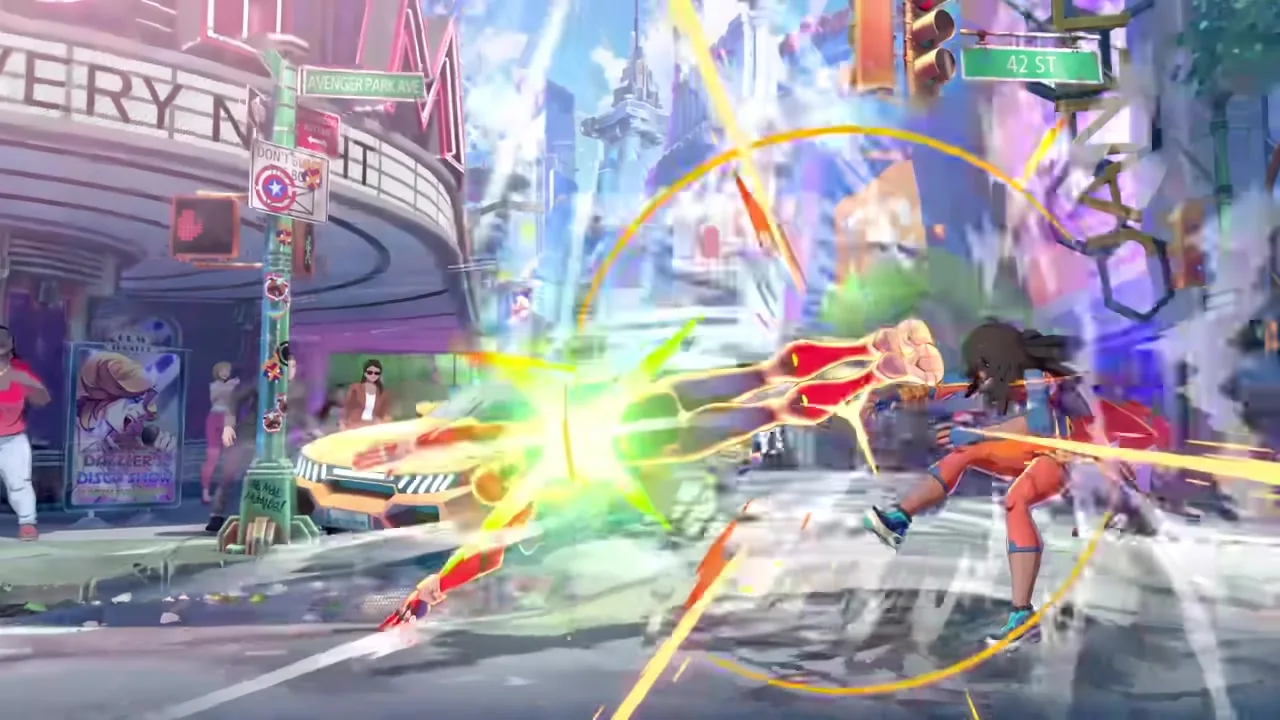
It has been exactly one month since Arc System Works unleashed MARVEL Tōkon: Fighting Souls on August 6, 2026, across PlayStation 5 and PC platforms. Dropping a brand new 4v4 tag team anime fighter into a densely packed competitive landscape is always a massive gamble, but the ambitious crossover has managed to carve out a fiercely dedicated player base. As the dust settles from the launch window hype, the meta is beginning to crystallize.
We are now seeing a fascinating collision of two completely different worlds: hardcore fighting game veterans who are tearing apart the engine to discover infinite synergies, and absolute newcomers drawn in purely by the bold art style and the massive Marvel IP. Today, we are taking a deep retrospective look at where the game stands 30 days in, how the FGC is digesting the mechanics, and the harsh realities awaiting casual fans in ranked matchmaking.
The FGC Verdict: A True Spiritual Successor
In the fighting game community, one month is usually enough time for the honeymoon phase to wear off. Flaws become glaring, and initial excitement often gives way to complaints about top tiers. But the sentiment surrounding Tōkon feels notably different. Browsing community hubs and tuning into top-level streams, the consensus is overwhelmingly positive regarding the core combat engine.
Players are openly comparing the game’s depth to the golden era of the Marvel vs. Capcom series. The foundation laid by Arc System Works is exceptionally sturdy. Because the game relies on a massive shared Vital Gauge for your entire 4-person squad, the strategy isn’t just about landing one big hit; it’s about prolonged resource management and relentless pressure. The pace of tech discovery is staggering. Every day on social media, someone is posting a new unblockable setup, a dirty frame trap, or a highly optimized route that squeezes out just a bit more damage.
The mechanics feel deliberate. Managing your Assemble Gauge for crucial assists and defensive tags while simultaneously rationing your Skill Gauge for game-ending EX moves and supers creates a brilliant mental stack. The community has recognized that the developers understood exactly what makes team fighters tick, providing enough offensive freedom to allow for massive player expression while keeping the fundamental rules of engagement intact.
The New Player Struggle: Surviving the Blender
While the veterans are eating well, mainstream Marvel fans and newcomers are hitting a massive brick wall. A recent feature on Yahoo Tech titled “Marvel Fan Who Hates Fighting Games Tries Marvel Tokon: Fighting Souls” perfectly encapsulated the sheer influx of casual players trying to bridge the gap. They love the aesthetic, they love the roster (from the Unbreakable X-Men to the Samurai Outriders), but once they queue up for ranked, reality sets in fast.
We are seeing numerous pleas for help from fresh players asking how to deal with relentless corner pressure. One highly discussed community thread detailed a player’s miserable experience while trying to main Green Goblin. The player reported getting locked into agonizing 15-second blockstrings against hyper-aggressive Spider-Man mains. Every time they tried to create space and zone with Goblin’s projectiles, the Spider-Man player would simply use a web pull to close the distance, dragging them right back into the blender.
This highlights the harsh learning curve of anime fighters. The newcomer noted that their jump kick felt incredibly sluggish, eventually learning the hard way that the move is -15 on block. Throwing out a -15 move against a roster equipped with lightning-fast 6f (6-frame) jabs is a guaranteed trip back to the character select screen.
So how do new players survive this onslaught? It all comes down to resource management. The Assemble Gauge isn’t just there to let you tag in a buddy for a cool combo extension; it is your primary defensive lifeline. Spending a bar of the Assemble Gauge to perform an emergency guard cancel or a defensive swap is absolutely mandatory when you are stuck blocking endless high/low mixups in the corner. If you just sit there holding down-back and praying for the onslaught to end, you will eventually get opened up. You have to spend resources to take your turn back.
The Smash Bros Migration: Seeking Freedom in a 2D Plane
Interestingly, the game is also catching the attention of the platform fighter community. Players coming from Super Smash Bros and MultiVersus are drawn to Tōkon because of its expressive air mobility. A recent discussion popped up from a platform fighter veteran asking if Tōkon’s mechanics would suit their playstyle, specifically citing their love for jumping around, controlling space, and moving freely.
Platform fighter enthusiasts often express frustration with traditional 2D fighters because they feel locked to a flat, rigid plane. Does Tōkon bridge this gap? Yes, but with a massive caveat. With super jumps, aggressive air dashes, and assist calls that completely alter screen space, the sheer mobility on display can sometimes feel akin to the frantic spacing battles of a platform fighter. However, the fundamental rules of engagement remain deeply rooted in traditional fighting game DNA. You don’t have a dedicated dodge roll button that grants invincibility frames on demand; you have to block, parry, and respect frame data.
If a Smash player is willing to hit the lab, learn standard combo basics, and adapt to the rigid structure of hitstun and blockstun, they will find an incredibly rewarding experience. Mastering a single character’s movement is great, but mastering the spatial synergy of a four-person squad is the true endgame here.
Grassroots Tournaments Keep the Blood Pumping
The community isn’t just theory-crafting on forums; they are actively building the competitive scene. Despite the well-documented PC stuttering issues at launch (which Arc System Works has been actively patching), the grassroots scene is thriving.
Weekly online tournaments, such as the ones hosted by Konnect Gaming, are popping up regularly, welcoming players of all skill levels to run sets in a structured environment. Seeing FGC legends like Yipes grinding the ranked streets with Magneto adds an undeniable layer of legitimacy to the ecosystem. These community-run brackets are vital for the long-term health of the game, providing a stepping stone for the players who are currently getting cooked in ranked but want to learn in a more supportive environment.
Expanding the Lore in Episode Mode
For those needing a break from the brutal ranked grind, Episode Mode continues to provide a massive playground for comic fans. Arc System Works didn’t skimp on the single-player offerings. The narrative, centering around the villainous Knights of Doom and the cosmic threat of the Champion of the Universe, is surprisingly dense with character interactions.
A recent detail that gained traction in the community involves Robbie Reyes, the Ghost Rider. A player discovered a unique interaction where Ghost Rider’s Penance Stare actually works on the Champion of the Universe. This is a massive lore flex. In the comics, the Penance Stare is notoriously inconsistent, sometimes failing against cosmic entities or characters who don’t feel conventional human guilt. The fact that Arc System Works programmed this specific interaction to land effectively against an Elder of the Universe shows a deep appreciation for the source material, even as they blend it with their signature anime aesthetic.
Small touches like this—whether it’s a specific assist call from the Fighting Avengers, a unique intro dialogue between the Amazing Guardians, or Deadpool breaking the fourth wall to mention Reddit leaks—elevate MARVEL Tōkon: Fighting Souls from a mere licensed tie-in to a genuine love letter to Marvel fans.
As we look toward the confirmed Year 1 DLC (adding four new characters and a new stage), the foundation is incredibly solid. The 4v4 chaos is intimidating, the learning curve is steep, but for those willing to endure the blockstrings, the payoff is one of the most rewarding fighting games in recent memory.