Marvel Tōkon Fighting Souls: Windows 11 RGB Crashes, Steam Deck Petitions, and DLC Rumors
Explore the latest MARVEL Tōkon: Fighting Souls updates, including Windows 11 RGB crashes, Steam Deck petitions, Master Rank meta, and DLC character leaks.
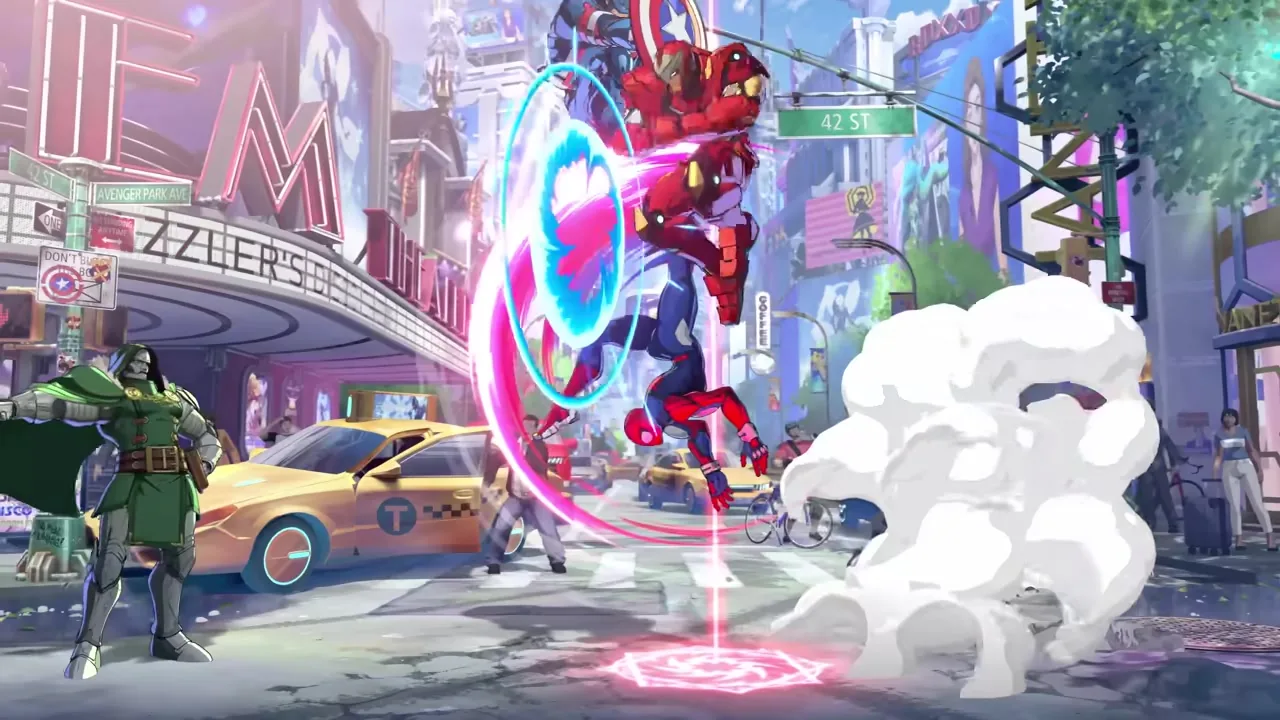
It has been a wild ride since MARVEL Tōkon: Fighting Souls officially dropped on August 6. Arc System Works managed to deliver an unapologetic, anime-style 4v4 tag team brawler that actually lives up to the heavy Evo 2026 hype. The 20-character launch roster is getting pushed to its absolute limits by the competitive community. However, as the dust settles from the launch window honeymoon phase, the FGC is hitting a few frustrating technical roadblocks on PC. Right now, the conversation is dominated by a bizarre Windows 11 crash tied to RGB peripherals, a massive community push for Steam Deck compatibility, shifts in the Master Rank meta, and some spicy datamines pointing toward our first Year 1 DLC character.
The Bizarre Windows 11 RGB Crash (KB5121003)
If you have been grinding ranked matches on Steam or the Epic Games Store and suddenly experienced hard desktop crashes, you are not alone. A recent Windows 11 update (KB5121003) is causing severe stability issues across several titles, and MARVEL Tōkon: Fighting Souls is unfortunately caught in the crossfire.
Players are actively reporting an EXCEPTION_ACCESS_VIOLATION error that forcefully closes the game without warning. In more extreme cases, it causes the entire PC to restart. Microsoft has acknowledged the issue and is actively investigating, but the culprit is honestly a bit absurd: your RGB lighting software.
Specifically, components and system drivers sharing naming conventions like inpoutx64—which are commonly used by keyboard and mouse peripheral software to control physical lighting—are clashing violently with the new Windows update. Until Microsoft pushes a dedicated hotfix, the best workaround for PC players is to completely disable or uninstall background lighting suites such as iCUE, Razer Synapse, or Armoury Crate before launching the game. It is definitely annoying to lose your custom keyboard lighting profiles, but it easily beats dropping a crucial match because your operating system decided to reboot mid-combo. If you are experiencing general controller unresponsiveness outside of these specific crashes, make sure to check our controls and setup guide to ensure your polling rates are optimized for Arc System Works’ engine.
The Fight for Steam Deck and Linux Support
While desktop PC players battle rogue RGB software, the Linux and Steam Deck communities are fighting a very different war against Easy Anti-Cheat (EAC). Currently, MARVEL Tōkon simply refuses to boot properly on SteamOS because of its strict anti-cheat implementation, leaving a large portion of the player base completely locked out of online play.
A massive petition has surfaced on the game’s official subreddit, respectfully demanding Arc System Works to flip the switch for Proton support. The community is being incredibly pragmatic about this situation—they are not asking for a costly, fully native Linux port. Epic Games already provides developers with a streamlined mechanism designed specifically to allow Easy Anti-Cheat to function through Valve’s Proton compatibility layer. Enabling this compatibility usually requires relatively limited changes to the backend.
Opening the floodgates for the Steam Deck player base would be massive for the game’s lifespan. Handheld PCs are increasingly becoming a preferred platform for the FGC, allowing competitors to lab combos on the go or attend local meetups without dragging a heavy PlayStation 5 setup around. Given the importance of long-term accessibility in the fighting game community, maintaining this SteamOS block is a huge missed opportunity. We can only hope the developers hear the feedback and patch in Proton compatibility in an upcoming update.
Year 1 DLC Rumors: Is ‘The Promoter’ Joining the Fight?
Arc System Works confirmed early on that the Year 1 DLC pass will feature four new characters and one new stage, but they have kept the exact identities tightly under wraps. Fans were told to ignore random Twitter roster leaks, but a recent discovery by dataminers and EventHubs has uncovered a fascinating detail regarding “The Promoter.”
For those who have ground through the single-player Episode Mode, fighting off the Knights of Doom and eventually clashing with the massive Champion of the Universe boss, you know that The Promoter acts largely as a narrative vehicle. Yet, the game files reveal that this supposedly unplayable NPC possesses a fully functioning, robust moveset. This discovery has the community heavily speculating that The Promoter will be the very first DLC character to drop.
Considering her attack animations and hitboxes are supposedly already functioning in the launch build, upgrading her to a fully playable state makes logical sense for a rapid post-launch DLC rollout. Whether she will function as a heavy zoner or an in-your-face rushdown character remains to be seen, but the sheer amount of frame data attached to her NPC model strongly suggests she is much more than just a background element. Treat any character leaks with a healthy dose of skepticism, but the evidence here is incredibly compelling.
Master Rank Character Usage and Resource Management
Two weeks of intense, high-stakes competition have completely shifted how we view the launch roster. EventHubs recently published the Master Rank character usage statistics, and the meta is solidifying at a terrifying pace.
While the initial launch hype heavily favored keeping the default squads together—like running the full Unbreakable X-Men or Samurai Outriders lineups—players quickly realized that you must freely construct your team of four to optimize resource economy. The 4v4 tag system is heavily defined by three primary resources: the shared Vital Gauge (your team’s single health bar), the Assemble Gauge (used for assists and tags), and the Skill Gauge (spent on EX attacks and cinematic Ultimate Skills).
High-level play is currently dominated by characters possessing fast, horizontal assists that can safely lock down the neutral game without risking permanent damage. At Master Rank, resource management separates the casuals from the tournament threats. Wasting your Skill Gauge on raw Ultimate Skills is a rookie mistake; top players are instead spending meter on EX moves to extend combos and confirm into safe active tags. Because the entire team shares one massive Vital Gauge, you don’t have the luxury of letting a nearly dead character soak up damage while you build meter. Every single hit matters.
If you are struggling to adapt to the pressure and keep getting blown up by optimized tag setups, reviewing the current tier list breakdowns can help you retool your team composition. You do not necessarily need four top-tiers on your squad; you just need four characters whose toolkits synergize flawlessly.
Leverless Tech: Mastering Blade’s “Glaive Strike” on Hit Box
Leverless controllers like the Hit Box continue to dominate high-level fighting game discourse, and MARVEL Tōkon execution is already being pushed to the hardware limits. A recent breakdown on the Hit Box arcade subreddit highlighted specific physical optimizations for Manual Skills, specifically targeting the notoriously tricky Down-Down inputs.
Players maining Blade have been struggling to consistently execute his “Glaive Strike” Manual Skill while under extreme defensive pressure. Because the game engine relies heavily on clean inputs for EX moves (which drain your precious Skill Gauge), muddying the Down-Down input often results in a standard crouch normal coming out instead of the intended special move, leaving you wide open for a full punish.
Leverless users are bypassing this physical limitation by utilizing SOCD (Simultaneous Opposite Cardinal Direction) cleaning mechanics. By holding the Down button, quickly tapping Up, and releasing it, the controller hardware instantly registers a neutral state followed by a second Down input in a fraction of a frame. This technique allows Blade players to throw out a Glaive Strike nearly instantly from a blocking posture, creating a terrifying frame trap that traditional pad or stick players physically cannot match in sheer speed.
The King of the Tag Fighter Genre
Finally, in massive industry news that directly impacts the ecosystem of MARVEL Tōkon: Fighting Souls, Riot Games has officially shut down development on their highly anticipated tag fighter, 2XKO.
For years, the fighting game community assumed the genre was heading toward a brutal showdown between Arc System Works’ Marvel project and Riot’s League of Legends fighter. With Riot unexpectedly walking away from the table, Tōkon now stands completely uncontested in this space. This sudden shift means that anyone craving high-octane, multi-character combat has exactly one premium destination.
For those who are entirely new to the subgenre and are still struggling to grasp the sheer visual chaos of having four characters active in a single match, check out our deep dive on how the tag system works to get up to speed. The king of the tag fighter genre has been crowned essentially by default, and Arc System Works has a massive opportunity to capture the entire market if they can smooth out the PC stability issues and deliver a legendary Year 1 DLC season.
Sources
- DecrepitGamers Reddit: Windows 11 update can crash Marvel Tokon
- MarvelTokon Reddit: Official SteamOS/Proton support request
- EventHubs: The Promoter DLC Speculation
- EventHubs: Character usage stats for Master Rank
- hitboxarcade Reddit: Down-Down input in MARVEL Tōkon
- NeuxGaming Reddit: Riot cancels 2XKO