PC DRM Controversy: Marvel Tōkon's Pirated Build Hits Flawless 60 FPS While Steam Players Suffer
A cracked version of MARVEL Tōkon: Fighting Souls reportedly bypasses DRM to achieve a stable 60 FPS, proving that anti-cheat is crippling the paid Steam version.
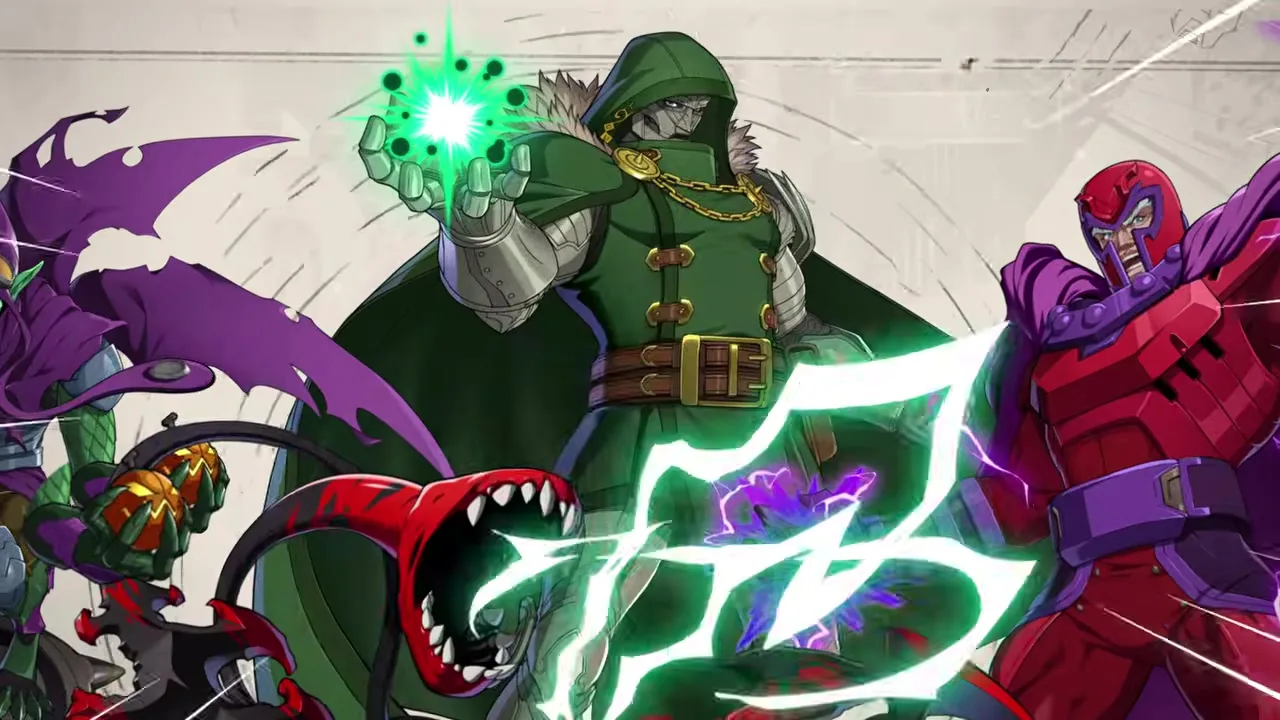
Since its explosive launch on August 6, 2026, MARVEL Tōkon: Fighting Souls has successfully revitalized the team-based fighting game genre. Arc System Works, in collaboration with PlayStation Studios and Marvel Games, delivered a visually spectacular 4v4 tag fighter with an incredibly bold anime art style. However, while PlayStation 5 players have been enjoying the seamless neutral game and breathtaking cinematic supers across all five official teams, the PC experience on Steam and the Epic Games Store has been severely compromised by performance issues.
We have heavily documented the ongoing PC port chaos over the past couple of weeks. Players with high-end rigs have been experiencing bizarre frame drops, micro-stuttering, and sudden input lag. Until recently, the community largely assumed these issues were simply the result of poor engine optimization regarding the game’s highly demanding 4v4 tag mechanics. But a new, highly controversial development has completely flipped the script: pirates are reportedly playing a significantly better version of the game.
According to widespread reports from gaming outlets like Wccftech and Gamereactor UK, a recently released pirated build of MARVEL Tōkon: Fighting Souls manages to hit a flawless, locked 60 FPS across a wide variety of hardware configurations. The reason? The cracking groups reportedly completely stripped out the game’s Denuvo-style DRM and intrusive background anti-cheat software. This revelation has sent shockwaves through the Fighting Game Community (FGC), effectively proving what many PC players had suspected all along: the game’s underlying code is fine, but the restrictive digital rights management is crippling legitimate copies.
The Architecture of the Stutter: Why DRM Clashes with 4v4
To understand why a background anti-cheat process is so detrimental to this specific title, we have to look at the mechanical density of MARVEL Tōkon: Fighting Souls. This is not a slow-paced, 1v1 footsies simulator. It is an incredibly fast, visually chaotic 4v4 tag team game engineered to push hardware limits.
During any given match, the game engine must hold eight distinct, highly detailed anime-style character models in its active memory. When you are piloting the Amazing Guardians team and you call in a Peni Parker drone assist while simultaneously executing a Star-Lord high-low mixup, the screen is flooded with particle effects, kinetic speed lines, and massive hit sparks. Every time you utilize the Assemble Gauge to bring in an assist or perform a safe tag, the engine must instantly swap character states and load new visual assets without skipping a single beat.
Anti-tamper software and DRM typically work by constantly executing background checks to verify the integrity of the game’s executable. These checks cause minor spikes in CPU usage. In a standard open-world adventure game, a 15-millisecond CPU spike might cause a barely noticeable dip from 60 FPS to 57 FPS. But in a highly competitive fighting game, where frame data dictates every single interaction, a CPU spike translates directly into a skipped frame. If the game skips a frame right as you are inputting a complex command, your input is swallowed by the void.
The fact that the cracked version, free from these continuous background CPU checks, runs at a buttery-smooth 60 FPS strongly indicates that the core game itself is actually quite well-optimized by Arc System Works. The stuttering is an artificial bottleneck imposed entirely by the DRM.
How Dropped Frames Ruin the Tōkon Experience
Frame drops are the mortal enemy of any fighting game, but they are especially devastating in the ecosystem of MARVEL Tōkon: Fighting Souls due to its unique resource management systems.
First, we need to address the shared Vital Gauge. Unlike traditional versus games where each character has their own individual health pool, your entire four-character roster shares a single, massive Vital Gauge. This design choice drastically heightens the tension of every interaction. There are no “throwaway” characters here. If you drop a block because of a PC stutter and eat a full combo from a powered-up Hulk or a relentless Wolverine, your entire team suffers the catastrophic consequences.
Furthermore, executing combo basics requires strict timing. Many of the optimal damage routes in this game rely on tight links and perfectly timed visual cues. When the frame rate fluctuates wildly between 45 and 60 FPS, developing muscle memory becomes impossible. A combo that you have practiced for hours in the training room will suddenly fail in a real match simply because the DRM decided to run an integrity check at the exact moment you pressed the heavy attack button.
This inconsistency completely destroys the risk-reward calculation of high-level play. Why would you risk spending your hard-earned Skill Gauge—the meter dedicated to your crucial EX moves and cinematic supers—on a complex setup if you cannot trust the game engine to register your inputs correctly? The Skill Gauge is your primary tool for turning the tide of battle, and wasting it due to a hardware stutter is a fast track to tilt.
The stuttering also heavily interferes with the core tag system mechanics. When defending against aggressive pressure from a dominant team like the Knights of Doom, you must carefully monitor the opponent’s Assemble Gauge to anticipate when Doctor Doom or Magneto will call in an assist to cover their approach. If the screen freezes for a fraction of a second during that visual tell, you will miss your opportunity to counter-attack or pushblock, leaving you trapped in a seemingly endless blockstring.
Finally, rollback netcode is widely considered the gold standard for modern fighting games, but it inherently relies on a stable local frame rate to function properly. When your PC stutters due to a DRM check, the rollback netcode loses its synchronization point with your opponent. This causes the game to violently snap character models across the screen to correct the desync, resulting in a visually jarring and unplayable mess. For a game aiming for top-tier esports status, this is unacceptable.
The Irony of the High Seas and Community Backlash
The current situation is a textbook example of a publisher’s anti-piracy efforts actively punishing paying customers. The game’s subreddit and Steam forums are currently burning to the ground with justified outrage. Players who shelled out top dollar for the standard or deluxe editions are struggling to maintain a playable framerate, while those who sailed the high seas and downloaded the cracked FitGirlRepack versions—despite some reported initial download pauses and setup quirks on Reddit—are enjoying the optimal, intended gameplay experience.
It is a deeply frustrating paradox. The FGC is traditionally a community that wants to support developers and buy legitimate copies to ensure the longevity of the scene and the continuation of post-launch support. But when the paid Steam version is objectively inferior to the pirated one in a genre where performance is paramount, that goodwill evaporates rapidly.
Even offline play is affected. Players who want to grind out the single-player Episode Mode are finding their epic showdowns against the Champion of the Universe ruined by stuttering cutscenes and delayed inputs. Facing down the ultimate cosmic boss is hard enough without fighting the DRM software at the same time.
What This Means for Esports and the Future
This disparity has immediate consequences for the competitive scene. While major offline events like CEO 2026 have successfully run the game using PlayStation 5 consoles, the grassroots PC tournament scene is taking a massive hit. Online brackets run via Steam are plagued by complaints about input drops and stutter-induced rollbacks, heavily compromising the competitive integrity of the matches.
Sony Interactive Entertainment and Arc System Works are now facing immense pressure to act. The community’s demand is simple and unified: remove the Denuvo-style DRM, or at the very least, completely overhaul its implementation so that it stops interfering with the delicate gameplay loop.
With the officially confirmed Year 1 DLC—four characters and one new stage—looming on the horizon, the developers need to secure the foundation of the PC player base before asking them to invest in further content. The FGC has proven that they absolutely love the core design, the beautiful aesthetics, and the chaotic 4v4 brawls that MARVEL Tōkon: Fighting Souls offers. Now, the publisher just needs to get their anti-tamper software out of the way so PC players can actually play the game they paid for. We will continue to monitor this situation and update you as soon as an official response or performance patch is deployed.