Marvel Tōkon PC Stuttering Fixes, Input Lag Tests, and Hidden Unlockables Discovered at Launch
With Marvel Tōkon: Fighting Souls seeing mixed Steam reviews due to performance, we test community PC tweaks, analyze PS5 input lag, and explore secret boss unlock rumors.
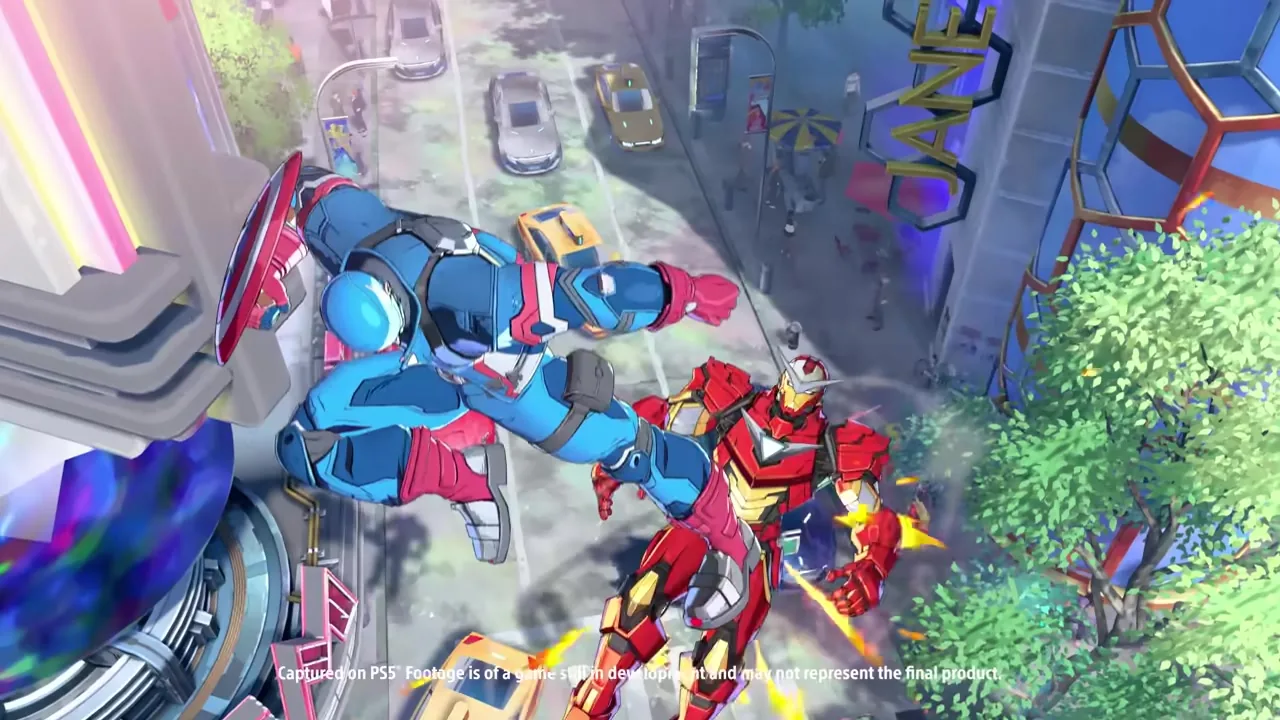
MARVEL Tōkon: Fighting Souls officially hit digital storefronts yesterday, delivering the chaotic, high-octane 4v4 tag team action Arc System Works is famous for. While the core combat mechanics and anime aesthetic are receiving high praise from the FGC, the technical side of the launch has been rocky, to say the least. The PC version is currently sitting at a “Mixed” rating on Steam, largely driven by performance woes. But the community is already fighting back with hardware workarounds, fresh input lag data, and wild rumors about hidden unlockables.
Here is a full breakdown of the day-one discoveries, how to fix your PC performance, and the whispers surrounding a secret 21st character.
The PC Launch Reality: Mixed Steam Reviews and Frame Pacing Woes
Fighting games live and die by a locked 60 frames per second. When you are trying to confirm a stray light attack into your character’s standard bnb, any stutter can result in a dropped combo and a massive momentum shift. In a game like Tōkon where four characters are sharing a single Vital Gauge, dropping a crucial punish because the engine hiccupped can literally cost you the entire match.
Several major outlets, including PC Gamer and Eurogamer, have highlighted these performance hitches. The issue has become so prevalent that sites like Push Square are openly encouraging PlayStation 5 players to temporarily disable crossplay in the settings menu. Doing so ensures console players do not get caught in rollback teleportation loops caused by PC opponents struggling to maintain consistent frame pacing.
Arc System Works has a long history of patching PC ports post-launch, but the current state of the game on Steam and Epic Games Store requires a bit of manual tweaking if you want to grind ranked immediately without throwing your fight stick out the window. If you are getting frustrated by constant micro-stutters during intense, screen-filling Skill Gauge super moves, the community has already started brute-forcing a solution.
Workaround: How to Fix Stuttering and FPS Drops on PC
While we await an official stability patch from the developers, hardcore PC players on the Marvel Tōkon subreddit have discovered a reliable workaround to smooth out the frame time graph. This fix will not magically optimize the game for low-end rigs, but it mitigates the absolute worst of the micro-stutters, ensuring your Assemble Gauge assist calls and tight links register exactly when you press the button.
According to a highly upvoted thread by user paulow3b, the stuttering largely stems from how the game handles thread optimization and frame limiting on Windows. Here is the step-by-step process to stabilize your frame rate:
- Force Threaded Optimization: Open the legacy NVIDIA Control Panel (avoid using the new unified NVIDIA App for this specific tweak as it may not expose the setting properly). Navigate to “Manage 3D Settings” and add the Marvel Tōkon executable. Scroll down to “Threaded Optimization” and force it to “On”.
- Cap the Framerate Externally: Download and run RivaTuner Statistics Server (RTSS). Add the game profile to RTSS and set the Framerate Limit to exactly 59.9. For some hardware configurations, a flat 60 might work, but capping at 59.9 often provides a much flatter frame time graph in Unreal Engine fighting games.
- Target the Correct Executable: This is the most crucial step. Do not apply these settings to the game’s launcher or the anti-cheat bootstrapper. You need to target the core
.exefile located inside your Steam directory, specifically under the\Binariessubfolder.
By overriding the game’s internal frame limiter and forcing threaded optimization, most players are reporting a significantly smoother experience. Your FPS counter might hover around 58 to 59 during heavy particle effects—like when Magneto and Doctor Doom are flooding the screen with projectiles—but the frame pacing remains consistent. Consistent frames mean consistent execution. For more baseline setup advice, check our controls and setup breakdown.
It is worth noting that this RTSS fix specifically targets frame pacing inconsistencies rather than shader compilation stutter. Like many modern Unreal Engine titles, MARVEL Tōkon suffers from inherent shader compilation hitches when you first load into a new stage or see a new visual effect for the first time. The Threaded Optimization tweak will not eliminate those initial shader loads, but once the assets are cached in your memory, this workaround will prevent the continuous micro-stutters that plague the mid-match neutral game. If you are still experiencing massive freezes after applying this fix, we highly recommend running through arcade mode once with every character to build your shader cache locally before jumping into ranked matchmaking.
PS5 vs PC: Input Lag Improvements Since Open Beta
Performance is not just about framerate; input lag is the invisible boss of any fighting game. During the open beta in late July, PS5 players noticed a slightly sluggish response time compared to the PC build, making tight reactions and flawless blocks noticeably harder. Fortunately, the retail release has brought some substantial under-the-hood adjustments.
According to recent hardware tests reported by TwistedVoxel, the PS5 launch version of MARVEL Tōkon: Fighting Souls has shaved off roughly 10ms of input delay compared to the beta build. This is a massive victory for console tournament organizers and local scene warriors.
To put that 10ms into perspective, every single frame in a 60 FPS fighting game lasts approximately 16.67 milliseconds. Shaving off 10ms means the PS5 version is now responding more than half a frame faster than it did just weeks ago. When you are trying to react to a 20-frame overhead attack, tech a command grab, or flawlessly input an invincible reversal on wakeup, that half-frame margin of error is massive. It drastically changes the risk/reward math for aggressive players looking to enforce frame traps.
However, the report also confirms that the PS5 version still naturally lags behind a properly optimized PC setup by about 1 to 2 frames. This is standard for modern Unreal Engine fighters on current-gen consoles due to mandatory V-Sync and operating system overhead. If you are playing at a highly competitive level and want the absolute crispest response times for whiff punishing, PC remains the optimal platform—assuming you apply the stutter fixes mentioned above. The game’s rollback netcode itself is rock solid, but minimizing your native hardware delay is always the first step to improving your game. You can read more about the day-one updates in our launch day server times and patch notes coverage.
Day 1 Discoveries: Color Palettes, Built-in Difficulty Tiers, and a Huge Rumor
Beyond the technical minutiae, the community is rapidly tearing apart the game’s content offerings. While Arc System Works laid out the roster of 20 fighters spread across factions like the Unbreakable X-Men and Samurai Outriders, players are finding some unadvertised features.
First up is character customization. When you boot the game, you only have access to four default color palettes per character. However, according to unlocking guides circulating on RaiderKing and the game’s subreddit, there are actually nine colors total for every fighter on the roster. Unlocking them reportedly requires grinding out specific character usage milestones and completing runs in the single-player Episode Mode. So if you want that specific retro colorway for Wolverine or a sinister dark palette for Shuri, you better start hitting the lab.
Interestingly, EventHubs also highlighted a feature many missed in the UI: the game actually provides official difficulty ratings for every character. If you are struggling to figure out how the 4v4 tag system functions and want to start with straightforward brawlers before moving to complex setup characters like Peni Parker or Magik, the in-game tier list is a surprisingly accurate resource for absolute beginners to find their footing.
But the most explosive piece of news currently dominating the Discord channels is a massive rumor regarding the roster. Arc System Works has firmly stated the launch roster is strictly 20 characters, divided into five 4-person teams. The villain faction, the Knights of Doom, rounds out the playable bad guys. Furthermore, the Steam backend recently confirmed a Year 1 Pass that will bring four DLC characters and a new stage later down the line.
However, multiple outlets including Sportskeeda are reporting community claims that the overarching villain of Episode Mode, the cosmic elder Champion of the Universe, might actually be a secret 21st unlockable character. According to these unverified rumors, completing Episode Mode on the highest difficulty without using a single continue purportedly adds him to the select screen.
For those unfamiliar with Marvel lore, the Champion of the Universe is an Elder of the Universe, much like the Grandmaster or the Collector. His singular obsession is traveling across galaxies to challenge the strongest warriors in hand-to-hand combat. He is the perfect thematic fit for an Arc System Works fighting game boss. Traditionally, anime fighting game bosses possess wildly overpowered mechanics that break the standard rules of the game—think input-reading AI, permanent super armor, or screen-wiping unblockables.
We must stress that this is entirely community-reported and not yet confirmed by Sony or Arc System Works. Fighting game history is riddled with fake secret boss unlock methods (looking at you, Sheng Long), so take this with a massive grain of salt. If the Champion is indeed playable via this rumored unlock method, it is highly likely he would be banned in competitive tournament play anyway. We are currently grinding through Episode Mode to verify this ourselves.
Whether the Champion rumor is real or just a launch week myth, the meta of MARVEL Tōkon: Fighting Souls is already evolving at lightning speed. Remember to keep an eye on your Skill Gauge, lab those assist extensions, and don’t let the day-one PC jank discourage you from learning this incredibly deep tag fighter.