Director Kazuto Sekine Explains Cyclops' Absence as Marvel Tōkon's Combo Meta Evolves
Arc System Works addresses the Unbreakable X-Men roster decisions while the FGC debates Carnage's rapid cancels, strict combo links, and gauge management.
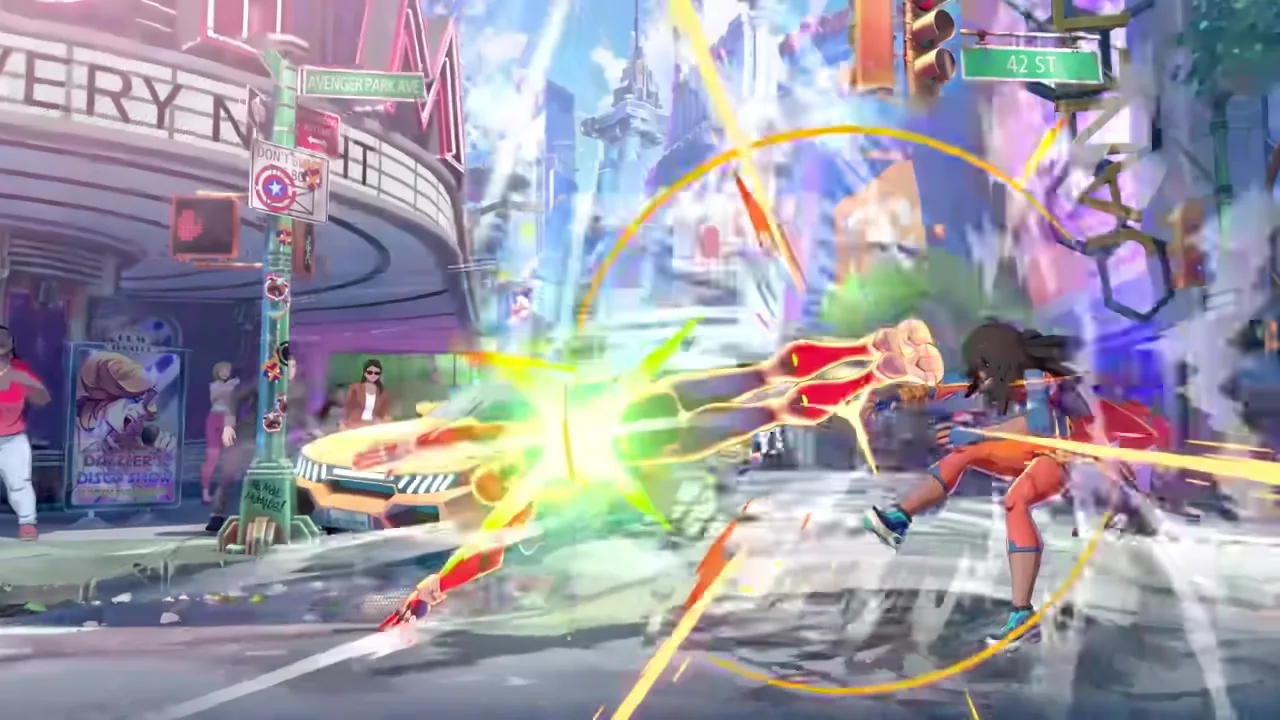
MARVEL Tōkon: Fighting Souls has firmly established itself as a premier 4v4 tag-team brawler since its explosive launch on August 6, 2026. Developed by the undisputed masters of anime fighting games, Arc System Works, in collaboration with PlayStation Studios and Marvel Games, this title brought a wildly bold, hyper-stylized aesthetic to the fighting game community. With a base roster locked at exactly 20 characters divided into five distinct factions, the meta has been chaotic, fast-paced, and incredibly deep.
However, even with the scene thriving and tournaments consistently hitting massive entrant numbers, fans still have lingering questions about the initial roster choices. Specifically, the absence of iconic leader Cyclops from the Unbreakable X-Men squad has been a burning question for many legacy players. Recently, Director Kazuto Sekine shed some light on this decision. Meanwhile, on the gameplay front, the community is deep in the lab, debating the execution nuances—rapid cancels versus strict frame links—especially when it comes to piloting ferocious characters on the roster.
The Missing Leader: Why Cyclops Sat Out the Launch
To understand the roster philosophy of Marvel Tōkon: Fighting Souls, we have to look at the rigid but thematic 4v4 structure. The base roster features five specific teams: Unbreakable X-Men, Amazing Guardians, Fighting Avengers, Knights of Doom, and Samurai Outriders. When the Unbreakable X-Men lineup was finalized as Storm, Magik, Wolverine, and Danger, many purists were genuinely shocked. Where was Cyclops?
According to Director Kazuto Sekine’s recent comments to EventHubs, the decision came down to gameplay identity and avoiding overlapping archetypes within the 4v4 tag-team framework. Arc System Works wanted each character to serve a highly specialized role that contributed to team synergy. With Iron Man dominating the aerial beam-zoning space for the Fighting Avengers and Doctor Doom controlling the screen for the Knights of Doom, the developers felt that adding Cyclops might dilute the roster’s mechanical diversity at launch.
Instead, they opted for Danger, whose trap-based setups and hard-light construct mix-ups provide a completely different flavor of zoning and screen control. Her utility pairs brilliantly with Wolverine’s pure rushdown and Storm’s atmospheric mobility. While Cyclops offers traditional space control, Danger forces opponents to navigate a maze of lingering hitboxes, which is crucial for creating safe tag opportunities.
For players disappointed by this omission, it is worth remembering that Arc System Works has already confirmed a Year 1 DLC pass, which will introduce four additional characters and one new stage. While the identities of these DLC combatants remain strictly under wraps—and the community should heavily disregard wild, unconfirmed datamine rumors—many are hoping that Cyclops will make his triumphant anime-style debut down the line. Until then, checking out the Confirmed Roster ensures you know exactly who is available to build your optimal four-person squad.
The Combo Meta: Rapid Cancels vs. Strict Links
While roster discussions keep the lore enthusiasts engaged, the lab monsters of the FGC are hyper-focused on optimization. A recent trending discussion within the Reddit community highlighted the execution barrier and feel of different characters, spearheaded by a beginner fighting game player who has found a home with the Knights of Doom’s most unhinged member.
The player expressed their joy in piloting the symbiote villain, noting that Carnage’s offense feels incredibly fluid due to a heavy reliance on rapid cancels rather than demanding strict, frame-perfect links (often referred to in the FGC as me-oshi). This brings up a massive point of discussion regarding how the combo engine actually operates under the hood.
Arc System Works is famous for its accessible combo systems, where lighter normal attacks chain naturally into heavier ones. In this title, this system is definitely present, allowing newer players to secure knockdowns and deal respectable damage just by dialing in sequences. If you are learning the ropes, our combo basics guide breaks down how these standard magic series routes function across the cast.
However, to truly maximize damage, especially when weaving in mechanics like wall bounces and managing the gauge economy, players must eventually transition from pure rapid cancels to precise links. When you pilot an explosive character, mashing out rapid inputs will get you started, but optimizing your punish after a successful block requires understanding hitstun decay. For those looking to optimize their symbiote pressure, studying the specific frame data for Carnage is essential. He excels at overwhelming the opponent with multi-hitting strikes, but his highest-damaging routes demand that you delay certain inputs to ensure the opponent stays at the perfect height for an optimal juggle.
Managing the Gauges in High-Level Execution
The debate between rapid cancels and strict links isn’t just about pressing buttons; it heavily involves the game’s unique, highly punishing gauge economy. Unlike traditional tag fighters where each character has their own health bar, Marvel Tōkon utilizes a shared Vital Gauge for the entire four-person team. This means taking massive damage from a dropped combo link doesn’t just lose you a character—it jeopardizes your entire squad’s survival against aggressive teams.
Furthermore, your offensive execution is tied directly to the Assemble Gauge and the Skill Gauge. The Assemble Gauge governs your ability to call in assists and execute safe tags. A common advanced tactic right now is to use a rapid-cancel string to push the opponent toward the corner, call an assist to cover your recovery, and then use a strict link to pick the combo back up once the assist connects.
Meanwhile, your cinematic super moves and EX specials burn the Skill Gauge. Mashing through a combo might accidentally trigger a Skill Gauge expenditure at the worst possible time, leaving you without the resources needed for a game-winning super or a desperate defensive reversal when you are cornered. The best players in the community are finding that while rapid cancels are fantastic for neutral and quick hit confirms, the true “touch of death” sequences require the absolute discipline of manual timing.
The Audiovisual Presentation and Cast Performances
Beyond frame data and combo routes, part of the reason characters like Carnage feel so inherently satisfying to play is the flawless audiovisual feedback Arc System Works has crafted. The bold, anime-inspired aesthetics make every rapid slash and brutal ground bounce pop off the screen with visceral energy.
The community has been particularly vocal in their praise for the voice acting, which elevates the impact of every combo. A recent thread highlighted Kellen Geoff’s phenomenal performance as the voice of Carnage, praising how his manic, raw delivery perfectly matches the character’s relentless gameplay style. This level of polish is present across the entire board, making the act of hitting a tight me-oshi link feel incredibly rewarding when punctuated by top-tier voice lines and screen-shaking hit-stop effects.
Checking in on the PC Platform Status
As the meta continues to evolve and new tech is discovered, the question of platform stability remains highly relevant. Some players who skipped the initial launch are still asking on forums whether the PC (Steam and Epic Games Store) version is worth picking up right now. It is no secret that the PC port had a turbulent launch window, with stuttering and netcode controversies heavily documented by content creators and tournament organizers alike.
However, the developers have been actively deploying patches since the July Open Beta and the subsequent launch window. While the initial PC release saw mixed reviews due to these technical hurdles, recent updates have significantly smoothed out the rollback netcode and minimized the glaring input lag issues. For players looking to grind out those strict combo links and dominate the single-player Episode Mode—and eventually challenge the fearsome Champion of the Universe—the PC version is now in a much healthier state, fully capable of delivering the fast-paced 4v4 action as originally intended.
Whether you are dissecting Director Kazuto Sekine’s roster decisions or spending hours in training mode perfecting your execution, Marvel Tōkon: Fighting Souls continues to offer immense depth. The 20-character roster provides a massive canvas for expression, and the interplay between accessible rapid cancels and high-ceiling strict links ensures that both beginners and veterans have infinite room to grow. As we look ahead to the highly anticipated Year 1 DLC, the laboratory remains wide open.