Marvel Tōkon PC Longevity Debated Following IGN Report and Fresh PSN Outages
IGN's latest report highlights FGC concerns over Marvel Tōkon's PC player count, exacerbated by a fresh wave of Steam PSN login outages blocking online play today.
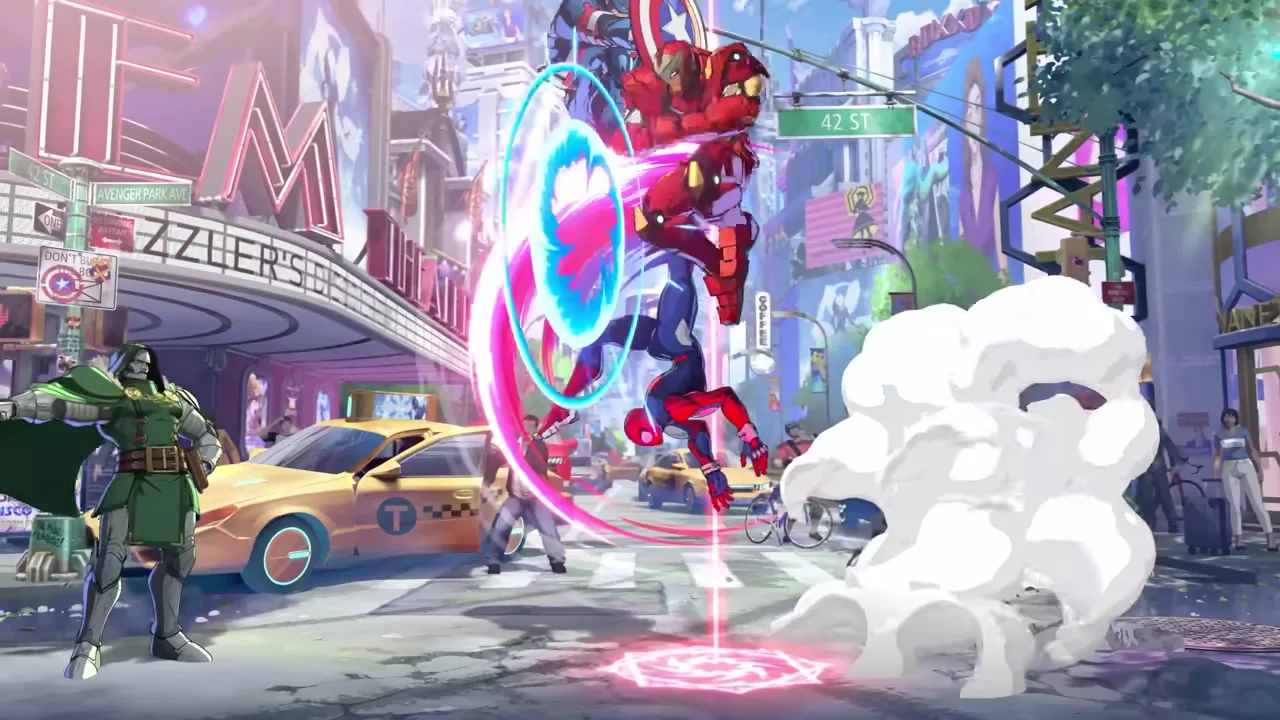
The honeymoon phase for MARVEL Tōkon: Fighting Souls is giving way to some hard realities for the PC community. Since its explosive launch on August 6, Arc System Works’ bold 4v4 tag team fighter has completely taken over the competitive scene on the PlayStation 5. The ambitious anime-style visuals, the frantic neutral game, and the incredible depth of the shared Vital Gauge have been praised across the board by fighting game veterans. However, the Steam port is painting a very different picture.
Recently, a major IGN report highlighted growing FGC concerns over the PC player count and the long-term viability of the Steam ecosystem. To make matters exponentially worse, a fresh wave of PSN login errors hit Steam players today, completely locking them out of online matchmaking and pouring salt on an already open wound.
The IGN Spotlight: Steam Numbers Spark Longevity Worries
IGN’s latest coverage puts a mainstream magnifying glass on a conversation the hardcore FGC has been having in Discord servers and at local tournaments for weeks. While MARVEL Tōkon is selling extremely well globally, the PC concurrent numbers have seen a sharp, noticeable decline, sparking deep anxiety about the game’s longevity on the platform.
For modern fighting game players, PC has traditionally been the holy grail. It offers minimal native input delay, higher framerates, and the robust mod support that anime fighter fans crave. But Tōkon has faced a series of harsh hurdles on Steam. The mandatory PlayStation Network account linking requirement remains the massive elephant in the room. We all remember the painful PC launch fallout, where regional PSN blocks prevented thousands of players in 100+ countries from even purchasing the game. Even for those in supported regions, the friction of maintaining and authenticating a linked account has driven a significant portion of the casual audience away.
Competitively, Fighting Souls relies heavily on an active player base to function properly. The shared Vital Gauge system is an absolute masterpiece of tension, forcing players to make agonizing, split-second decisions about when to spend their Assemble Gauge for a crucial combo-extending assist, or an emergency tag out to save a dying character. But you need a healthy, populated pool of similarly skilled opponents to actually experience that depth. When the concurrent player count dips, the matchmaking algorithm broadens its search, routinely placing intermediate players up against literal killers who have spent the last month perfecting their Doctor Doom frame traps and Magneto air-dash mixups. IGN’s report echoes this exact sentiment: a fighting game’s PC longevity relies heavily on the mid-tier player base sticking around so they don’t just act as combo fodder for tournament pros.
September 24 Outage: Steam Players Locked Out of PSN
Adding immediate fuel to the fire, today brought a stark, frustrating reminder of the PC port’s infrastructural fragility. A widespread PSN login outage specifically targeting Steam users began propagating early this morning. Players attempting to boot up Fighting Souls were met with authentication failure screens, completely blocking access to Ranked Match, Casual Match, and custom online lobbies.
This isn’t the first time network infrastructure has crippled the PC experience—we saw nearly identical authentication hiccups during the rocky open beta launch. However, occurring right on the heels of major publications actively questioning the game’s PC lifespan, the timing simply could not be worse for Arc System Works.
For those affected by the outage, the only option was to head back to the lab. While the training mode in this game is incredibly robust, grinding execution without the payoff of a real match gets stale incredibly fast. Players were stuck offline, reduced to labbing optimal Skill Gauge spend or practicing anti-air conversions against a lifeless dummy. If you were trying to figure out how to counter the suffocating, aggressive pressure of the Samurai Outriders (Ghost Rider, Blade, Loki, Deadpool) or wanting to test a brand new Unbreakable X-Men shell, you were entirely out of luck. The absolute inability to seamlessly jump online and test a dirty tag setup or a new assist synergy only highlights why so many competitive players are migrating back to the PlayStation 5 ecosystem where things “just work.”
The Grey Market Resurgence
Another obvious symptom of the PC community’s current state is the sudden influx of grey-market Steam keys flooding trading platforms like Reddit. Searching for the game today reveals pages of threads offering Marvel Tōkon Fighting Souls keys at significantly reduced prices, specifically targeting regions with harsh local pricing or players trying to bypass standard storefronts.
This kind of intense grey market activity usually spikes when a community is desperate to avoid paying full retail price for a port they deem unstable, controversial, or short-lived. PC players are clearly hesitant to drop $70 on a game where they might spend half their evening troubleshooting network errors or waiting for a ranked match in a depleted pool. It creates a vicious cycle: players hesitate to buy officially, lowering the visible active player count, which in turn fuels more doom-posting about the game’s lifespan, driving more players to cheap key resellers.
PS5 Remains the Undisputed Standard
Despite the doom and gloom currently surrounding the Steam release, it is absolutely crucial to separate the PC ecosystem from the overall health of the game itself. MARVEL Tōkon: Fighting Souls is not dying; the community is simply consolidating platforms. The PlayStation 5 version remains an absolute juggernaut and the undisputed standard for the scene.
Offline tournaments are pulling massive entrant numbers, and the core gameplay loop has never been healthier. The meta is evolving beautifully week by week. We are seeing incredible innovation in how top players manipulate the tag system and manage their Assemble Gauge to bypass traditional cross-up protection. The full 20-character base roster feels incredibly diverse for an anime tag fighter this young, and the development team has already proven their commitment with rapid patching and transparent balance philosophy.
Furthermore, the single-player Episode Mode, featuring the massive Champion of the Universe as the overarching villain, continues to be a huge draw for the casual audience on console, providing a meaty lore experience centered around the antagonistic Knights of Doom. And with the Year 1 DLC roadmap already confirming four new playable characters and a new stage on the horizon, the content pipeline is heavily secured.
The Path Forward for PC
So, where does this leave the dedicated PC fighting game player who just wants to grind Fighting Souls? Right now, it’s a waiting game. Arc System Works and Sony Interactive Entertainment need to publicly acknowledge that the PSN mandate on Steam, combined with severe backend stability issues like today’s outage, is bleeding a highly dedicated demographic of fighting game loyalists.
If you are currently playing on PC and pushing through the outages, your best bet is to rely heavily on community Discord servers for matchmaking. Grassroots community effort is the lifeblood of any niche anime fighter, and organizing direct IP connections or private lobby sets with known players bypasses a lot of the matchmaking queue anxiety and connection roulette.
Ultimately, MARVEL Tōkon: Fighting Souls is a phenomenal, genre-pushing fighting game trapped in a frustrating PC wrapper. The 4v4 tag mechanics demand to be played, the stylized visuals are top-tier, and the competitive ceiling is limitless. But until the connection issues are permanently ironed out and the PC base feels secure in their investment, the PS5 will rightfully remain the tournament standard and the safest bet for players looking to prove themselves in the arena.