Marvel Tōkon PC Community Pulse: SteamOS Tweaks, Mac M4 Tests, and New Lab Tech
Explore the current state of Marvel Tōkon on PC, from SteamOS workarounds and Mac M4 emulation testing to hardcore Hit Box execution leniency and Peni Parker's solo tech.
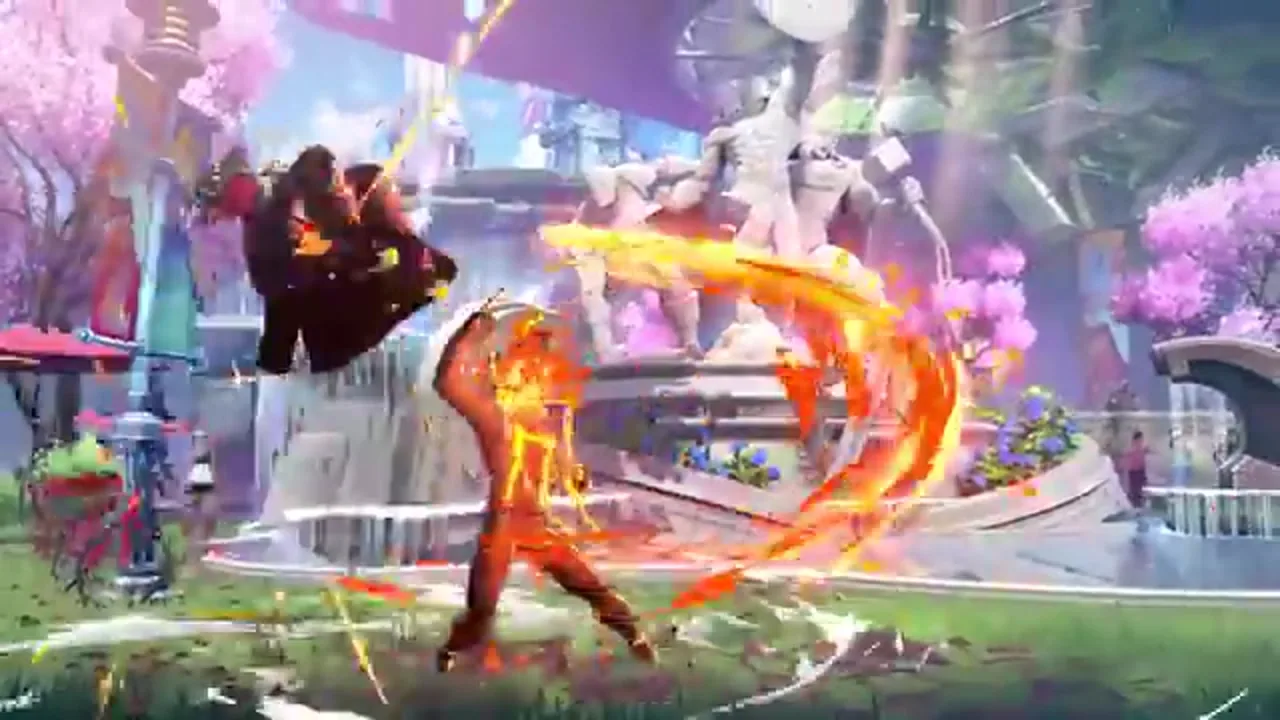
It’s mid-September, just over a month since MARVEL Tōkon: Fighting Souls officially launched on August 6, 2026. The initial release period was a whirlwind of massive tournament turnouts and universal praise for Arc System Works’ bold anime art direction. However, as the initial launch hype cools down, the reality of maintaining a fighting game population on the PC platform is setting in.
While the PlayStation 5 remains the undisputed tournament standard for events like CEO and UFA, the Steam ecosystem is currently in a highly transitional spot. We are observing a stark contrast between a dwindling overall concurrent player base and a hardcore community of lab monsters who refuse to stop discovering new tech, modding the visuals, and forcing the game to run on completely unsupported operating systems.
The PC Population Reality Check
Let’s address the elephant in the room first. Recent data tracking confirms that the active player count for MARVEL Tōkon: Fighting Souls on PC has dipped below the 1,000 concurrent player mark. Outlets have highlighted this plummet, noting it coincides with a “Mostly Negative” recent review trend on Steam.
This drop isn’t a reflection of the core fighting mechanics. The 4v4 tag team system is widely praised by FGC veterans for its mechanical depth and frantic neutral game. Instead, the friction stems entirely from the PC port’s rocky history: early DRM controversies, strict region locks affecting over 130 countries, and lingering optimization stutters that can ruin a rollback netcode connection. When you are caught in a tense frame trap, a single micro-stutter is the difference between successfully blocking a cross-up and losing your entire squad.
Despite the doom-posting circulating on social media, a sub-1,000 player base on Steam for a demanding anime fighter doesn’t mean the competitive scene is dead; it simply means the casual audience has moved on to other titles, leaving only the dedicated grinders. Matchmaking for high-level sets via Discord remains highly active, and with Arc System Works confirming the Year 1 DLC roadmap featuring four new characters and a new stage, the long-term horizon still holds promise.
Pushing Platform Boundaries: SteamOS and Mac M4
With the native Windows experience presenting its own set of hurdles, a highly technical subset of players is looking outward. Over on various Linux gaming forums, Steam Deck users and custom SteamOS builders are actively trading configuration tips to get the game running smoothly. The anti-cheat implementation has made Proton compatibility a moving target. Current community efforts heavily rely on testing specific GE-Proton versions and inputting custom launch options to stabilize frame pacing. Given how vital a locked 60 FPS is for the game’s input buffer, getting this 4v4 fighter running flawlessly on a living room Linux machine is a highly sought-after prize.
Even more surprising is the Apple Silicon crowd. Mac M4 users are actively testing the waters using CrossOver and Apple’s Game Porting Toolkit (GPTK). Because Arc System Works did not develop a native macOS client, emulating a chaotic, visually dense tag fighter is an uphill battle. The primary concern among these Mac gaming enthusiasts is input lag. In a game where reacting to a raw tag or hitting a tight confirm off a stray assist is mandatory, any overhead introduced by translation layers or cloud gaming solutions (like GeForce NOW) can be a death sentence in ranked play. We highly recommend checking out our controls and setup optimizations if you are attempting to play on unconventional hardware, as you’ll need to squeeze out every frame of leniency possible.
The Budding PC Mod Scene
If there is one absolute advantage the PC platform has over the PS5, it’s the modding community. The cel-shaded, anime-inspired aesthetic of MARVEL Tōkon: Fighting Souls is visually striking, but comic purists are always hungry for classic looks. Recently, a beautifully crafted Todd McFarlane-era suit mod for Spider-Man began circulating on the community forums.
Mods like this are a cornerstone of PC fighting game longevity. While players wait for official alternate costumes to drop, the community is taking matters into their own hands, swapping out textures to recreate iconic comic book eras. Just be mindful that injecting visual mods can sometimes trigger false positives with the game’s anti-cheat if you attempt to bring them into official ranked lobbies. For offline labbing or private player matches, however, seeing a true 90s-style Spider-Man slinging webs across the screen adds a brilliant layer of flavor to the chaos.
Lab Notes: Hit Box Leniency and Ultimate Skills
Speaking of the lab, hardcore execution specialists are constantly tearing apart the engine’s input parser. The Hit Box Arcade community recently highlighted an incredibly useful quirk regarding Ultimate Skills. In high-pressure situations, executing standard fighting game motions can lead to dropped inputs, especially if you are playing on a leverless controller and rushing your directional plinks under stress.
However, testing shows that there is a massive amount of leniency built into the game’s parser when it comes to spending your Skill Gauge. By utilizing the in-game “Throw” macro bind (M+H), players can buffer the Ultimate Skill command with significantly less precision than initially thought. This means when you secure a stray hit in neutral, confirming into a devastating super that drains your Skill Gauge is far more reliable. This leniency is a massive quality-of-life feature, ensuring that arbitrary execution barriers don’t stand in the way of high-level mind games and resource management.
Solo Tag Tech and Pushing the Vital Gauge Limits
Usually, maximizing damage in MARVEL Tōkon requires expert management of the Assemble Gauge to extend combos via active switching and assist calls. However, players are now discovering terrifying solo combo routes that break the conventional rules of the game.
Take Peni Parker, for example. The community has recently published extensive solo combo videos proving that she doesn’t actually need to tag out to achieve massive corner carry and high damage. By meticulously setting up her SP//dr drones as pseudo-assists mid-combo, Peni Parker can loop ground bounces and wall splats entirely on her own. This is a massive meta shift because it allows players to hoard their Assemble Gauge for defensive guard cancels or combo breaking, rather than being forced to spend it on offensive extensions.
On the heavier side of the roster, Storm players have cracked a terrifying new milestone: the 90k+ damage combo route. Because your entire 4-character squad shares a single, unified Vital Gauge, a combo that hits for 90,000 damage is absolutely catastrophic. It literally deletes a massive chunk of the team’s total health in a single touch. Executing this with Storm requires pinpoint airdash cancels and perfect utilization of her Tempest mechanics to keep the opponent airborne long enough to prevent the damage scaling from kicking in too early.
When you are grinding through Episode Mode, trying to survive the screen-filling, unfair attack patterns of the Champion of the Universe, optimized damage might not seem like a top priority. But in competitive bracket play against a human opponent controlling the oppressive Knights of Doom, knowing a 90k touch of death is exactly what separates the tournament winners from the 0-2 finishers.
The PC landscape for MARVEL Tōkon: Fighting Souls might look turbulent from a sheer numbers perspective, but the community’s fighting spirit remains entirely intact in the lab.