FGC Legend Neo_G Revealed as Battle Planner for MARVEL Tōkon Alongside August 21 Patch Breakdown
Discover how MvC2 veteran Hidetoshi 'Neo_G' Ishizawa influenced the 4v4 tag mechanics in MARVEL Tōkon, plus a deep dive into the August 21 patch combat fixes.
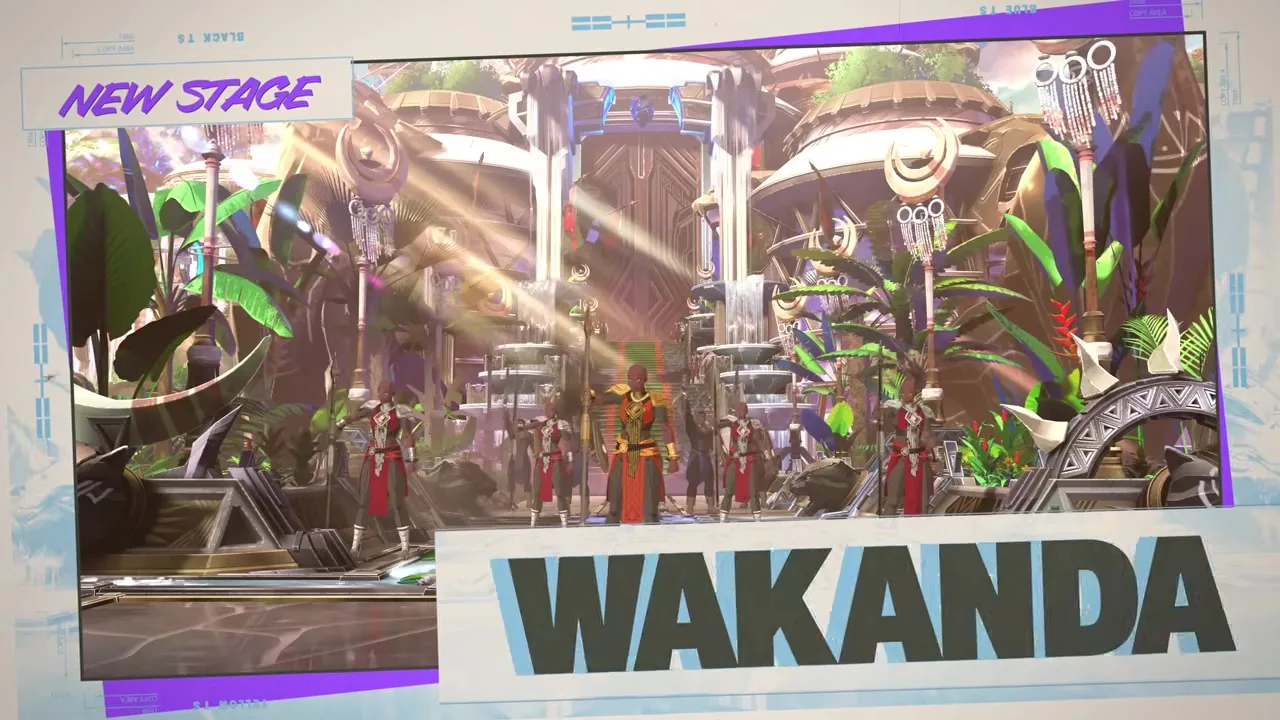
We are now exactly two weeks removed from the massive August 6 launch of MARVEL Tōkon: Fighting Souls, and the lab monsters have been working overtime. As the community grinds the Episode Mode and uncovers filthy unblockable setups across the 20-character roster, Arc System Works has delivered a massive one-two punch to the timeline. First, a legendary fighting game developer confirmed their secret involvement in crafting the game’s combat engine. Second, the crucial August 21 balance and stability patch just dropped for both PS5 and PC, addressing some of the most frustrating mechanical glitches threatening high-level tournament play.
If you have been wondering why the frenetic 4v4 combat feels so historically authentic, or why your defensive options suddenly stopped working in the corner, we have the answers.
The Architect of Chaos: Neo_G’s Hidden Influence
Before we dissect the patch notes, we have to talk about the pedigree behind the punches. Hidetoshi “Neo_G” Ishizawa—a foundational battle architect behind universally acclaimed legacy titles like Marvel vs. Capcom 2, Capcom vs. SNK 2, and Ultimate Marvel vs. Capcom 3—publicly confirmed his extensive involvement as a freelance battle planner for this project.
According to translations of his recent social media updates, Neo_G was responsible for creating the actions and intricate move specifications for approximately nine characters on the launch roster. While he did not specify exactly which members of the Samurai Outriders or the Amazing Guardians received his direct touch, his influence on the global battle system is undeniable. He also supervised the specifications for out-of-game menus and network-related features, likely contributing to the game’s robust rollback netcode architecture.
For fighting game veterans, Neo_G’s signature is defined by giving players overwhelming offensive freedom balanced by demanding, high-stakes defensive options. In MARVEL Tōkon, this design philosophy shines brightest in how teams utilize the Assemble Gauge. The constant tug-of-war between spending meter for a high-pressure mixup or saving it for a life-saving tag reflects the golden era of versus games. Understanding the intricacies of assists is no longer just about combo extensions; it is a full-blown economy that dictates the pace of neutral. Having a legendary developer orchestrate nearly half the cast’s toolkits proves that Sony and Arc System Works were dead serious about capturing authentic tag-fighter magic, rather than just building another standard anime dasher.
August 21 Patch Notes: Polishing the 4v4 Engine
With the game’s mechanical pedigree established, the development team has quickly pivoted to addressing the most glaring Day-1 glitches. The Version 1.002.003 update brings several crucial bug fixes that directly impact competitive viability and resource management.
Crossover Guard Bug Defeated
The most significant mechanical adjustment involves the defensive Crossover system. Previously, players discovered a frustrating input bug where a Crossover would flat-out refuse to activate if any other attack button was being held during blockstun. In fighting games, players constantly hold buttons to buffer option selects, tech throws, or prepare for immediate retaliations. Being locked out of your primary defensive tag mechanic simply because you were buffering a command was leading to unwarranted mixups and inescapable frame traps. By resolving this, the defense mechanics behave exactly as intended, allowing players to reliably spend their gauge to blow up greedy blockstrings without artificially altering their grip on the arcade stick.
Taming the Episode Mode Boss
Another critical fix targets the PvE experience. The primary antagonist of the Episode Mode, the Champion of the Universe, was accidentally acting a bit too canonically invincible. A bug allowed this massive boss to land unintended follow-up attacks after his signature “Cosmic Smash” command grab. Because MARVEL Tōkon utilizes a globally shared Vital Gauge for the entire four-person team rather than individual health pools, getting caught in this broken boss loop meant watching your entire team’s lifebar evaporate from a single unscaled interaction. The patch removes this illegal off-the-ground (OTG) pickup, making the campaign against the Knights of Doom significantly more balanced for solo players trying to learn the ropes.
The Assemble Gauge Cooldown Fix
On the PvP side, team synergy took a massive hit due to a bizarre cooldown freeze. Under highly specific scramble situations, calling an assist and immediately initiating a member change would cause the incoming character’s Assemble Gauge to permanently stall. They would be locked out of using assists for the rest of the round. In a 4v4 environment, being forced to play raw 1v1 neutral without your bench is an instant death sentence against coordinated teams. This gauge fix restores the intended rotational flow of combat, ensuring you always have access to your backup when you need them.
Carnage’s Cinematic Clarity
Visual readability is always a concern in high-speed tag fighters, and a specific camera glitch was ruining okizeme opportunities for the symbiote menace. When executing Carnage’s Guillotine Axe super, the camera would occasionally snap to a difficult-to-see position and fail to reset properly. Because this move costs precious Skill Gauge and is specifically designed to leave the opponent in a hard knockdown state, losing visual tracking of the opponent’s wake-up options completely negated the reward. The developers have locked the camera tracking back into place, ensuring you can actually see the meaty setups you paid meter for.
Quality of Life: PS5 Resets and PC Stutters
Beyond the core fighting mechanics, quality of life took a major step forward across both platforms. PC players on Steam and Epic Games Store will notice an immediate reduction in periodic stuttering. The patch notes specifically cite fixes for heavy processing loads that were causing frame drops during intense, screen-filling super exchanges—a massive win for the competitive scene where a single dropped frame can ruin a match-deciding confirm.
Meanwhile, the PlayStation 5 build received a crucial fix for an annoying progression loop that trapped players between the logo screen and system language selection upon booting. Furthermore, the frustrating bug that randomly wiped online battle settings, team building configurations, and lobby avatars upon restarting the game has been permanently squashed. You no longer have to rebuild your Unbreakable X-Men squad every time you log in.
The Global Divide: Western FGC Hype vs. Japanese Retail
As the technical foundation of the game solidifies, an interesting narrative is forming around the game’s commercial reception. A recent report from VGC and Fami通 highlighted that MARVEL Tōkon: Fighting Souls sold fewer than 3,000 physical units in Japan during its debut week. At a glance, these numbers seem alarmingly low for a major Arc System Works release.
However, tournament context is everything. The fighting game market has overwhelmingly shifted to digital storefronts and the PC ecosystem. With the Steam version hitting a concurrent peak of roughly 25,000 players on launch day, and the game already shattering entrant records for major offline events like the Arc World Tour and Evo 2026, the Japanese physical sales are merely a geographic anomaly. The Marvel IP carries unprecedented cultural weight in North America and Europe, especially within the “Mahvel” versus-community. While traditional 1v1 anime fighters dominate Japanese arcades, chaotic, team-based assist brawlers have always been a Western phenomenon. The sheer hype surrounding the game globally guarantees its long-term viability on the tournament stage, regardless of localized retail disc movement.
The Road Ahead
With the matchmaking improvements taking effect and the most egregious combat bugs ironed out, the community can finally focus purely on pushing the meta. The shared Vital Gauge forces a completely different approach to resource management compared to legacy tag fighters, and the roster’s diverse toolsets are only just beginning to be fully explored.
Remember that Arc System Works has already confirmed a robust Year 1 DLC roadmap, promising four additional characters and one new stage to expand the cosmic battlefield. While various datamines continue to swirl across social media, the current 20-character baseline offers infinite team composition theory-crafting. Get back into the lab, update your clients, and start experimenting with the newly consistent Crossover timings. The arena is only going to get more dangerous from here.